

 Send Inquiry
Lithium Sulphate Li2SO4
MOQ : 25 Kilograms
Lithium Sulphate Li2SO4 Specification
- Smell
- Odorless
- Structural Formula
- Li2SO4
- Shape
- Crystalline powder
- Form
- Solid
- Melting Point
- 851°C
- Ph Level
- pH 7.5-9.5 (5% solution)
- Storage
- Store in a cool, dry and well-ventilated place
- Boiling point
- Decomposes before boiling
- Molecular Weight
- 109.94 g/mol
- HS Code
- 2833 29 90
- Poisonous
- Yes
- Molecular Formula
- Li2SO4
- Density
- 2.22 Gram per cubic centimeter(g/cm3)
- Solubility
- Soluble in water (29 g/100 ml at 20°C); insoluble in alcohol
- Other Names
- Dilithium sulfate
- Purity
- 99% or higher
- Taste
- Slightly salty
- Classification
- Lithium salt (sulphate)
- Chemical Name
- Lithium Sulphate
- CAS No
- 10102-25-7
- EINECS No
- 231-820-9
- Grade
- Analytical/Laboratory grade
- Standard
- Complies with analytical reagent standards
- Type
- Inorganic chemical compound
- Usage
- Industrial and laboratory
- Main Material
- Lithium Sulphate
- Solubility in Alcohol
- Insoluble
- Stability
- Stable under normal conditions
- Shelf Life
- 3 years (under proper storage)
- Packaging
- HDPE bag or drum
- Crystal System
- Monoclinic
- Color
- White
- Conductivity
- Ionic conductor in aqueous solution
- Hygroscopic
- Slightly
- Hazard Statements
- May cause mild eye/skin irritation
- Decomposition Products
- Lithium oxide, sulfur oxides
- Compatibility
- Avoid strong acids
- Transport Information
- Not regulated as a hazardous material
Lithium Sulphate Li2SO4 Trade Information
- Minimum Order Quantity
- 25 Kilograms
- Supply Ability
- 100 Kilograms Per Month
- Delivery Time
- 7 Days
- Main Export Market(s)
- Asia, Australia, Central America, North America, South America, Eastern Europe, Western Europe, Middle East, Africa
Lithium Sulphate Li2SO4 About
Since our establishment year, we have been constantly denoted as a foremost manufacturer, exporter and supplier of superior quality Lithium Sulphate. Available in several packaging options, this chemical is easily soluble in water. At our in-house processing set-up, the provided chemical is formulated by our experienced professionals using pristine quality chemical compounds under the most favourable environment. Also, we stringently check it on certain parameters to ensure its high effectiveness. Additionally, clients can avail this Lithium Sulphate at cost-effective rates from us.
Features:
-
Longer shelf life
-
Excellent stability
-
Safe to use
-
High electrical conductivity
Specifications:
| Sr No | |
| A | General information : |
| 1 | Structure : Li2SO4.H2O |
| 2 | Molecular formula : Li2SO4.H2O |
| 3 | Molecular weight : 127.95 |
| Chemical name : Lithium Sulphate | |
| | |
| B | Specifications : |
| 1 | Description : White to off-white crystalline powder |
| 2 | Solubility (35%) : Clear solution |
| 3 | pH of 5% soln. : 5.5 8.0 |
| 4 | Water insoluble matter : NMT 0.005 % |
| 5 | Assay : NLT 99.0 |
Versatile Industrial Applications
Lithium sulphate is valued for its adaptability in numerous sectors including ceramics, metallurgy, and advanced batteries. Its stable nature enables consistent performance as a reagent in laboratory analyses, and as a raw material in the production of pharmaceuticals and specialized glass formulations. Its reliable solubility in water enhances its functionality in these fields.
Safe Handling and Storage
This compound features low toxicity but may cause mild irritation to the eyes or skin. It should be stored in a cool, dry, and well-ventilated area to ensure stability and longevity. HDPE packaging safeguards the product from moisture, extending shelf life to three years under appropriate conditions. It is not regulated as a hazardous material for transport.
Product Conformity and Standards
Lithium sulphate sold for industrial and laboratory use complies with analytical reagent standards, ensuring dependable quality and purity (99% or higher). The crystalline powder has a slight salty taste with no perceptible odor, following the EINECS No: 231-820-9 and CAS No: 10102-25-7, supporting traceability and regulatory compliance.
FAQs of Lithium Sulphate Li2SO4:
Q: How should lithium sulphate be stored to maintain its quality and shelf life?
A: Lithium sulphate should be stored in a cool, dry, and well-ventilated area inside HDPE bags or drums, protecting it from moisture and contaminants. With proper storage, its shelf life can reach up to three years.Q: What are the main industrial uses of lithium sulphate?
A: Lithium sulphate is widely used in the ceramics industry, battery manufacturing, metallurgy processes, laboratory reagent applications, and in the pharmaceutical sector owing to its solubility and ionic conductivity in water.Q: How does lithium sulphate benefit laboratory analyses?
A: Thanks to its high purity, reliable ionic conductivity, and ease of preparation as aqueous solutions, lithium sulphate acts as an effective reagent in analytical laboratories, ensuring consistent reactions and dependable results.Q: When does lithium sulphate decompose and what are its byproducts?
A: Lithium sulphate decomposes before reaching its boiling point, releasing lithium oxide and sulfur oxides as decomposition products. Users should avoid exposing it to strong acids to prevent undesirable reactions.Q: Is lithium sulphate regulated for transport and is it hazardous?
A: Lithium sulphate is not classified as a hazardous material for transport. It poses low toxicity but may cause mild skin or eye irritation, so basic safety precautions are recommended during handling.Q: What is the compatibility of lithium sulphate with other chemicals?
A: Lithium sulphate is incompatible with strong acids which can trigger decomposition. It is stable under normal conditions and displays slight hygroscopic properties, requiring consideration of ambient humidity during storage.
Tell us about your requirement

Price:
Quantity
Select Unit
- 50
- 100
- 200
- 250
- 500
- 1000+
Additional detail
Mobile number
Email

More Products in Lithium Compounds Category
Lithium Molybdate 20 % Solution
Minimum Order Quantity : 25 Kilograms
Solubility : Soluble in water
Purity : 20% w/v (as Li2MoO4)
CAS No : 13568406
Other Names : Molybdic Acid, Dilithium Salt Solution
HS Code : 28418000

Lithium Bromide
Minimum Order Quantity : 25 Kilograms
Solubility : Easily soluble in water, ethanol, and ether
Purity : 99% Min
CAS No : 7550358
Other Names : LiBr
HS Code : 28275990
Lithium Chloride Solution 40%
Minimum Order Quantity : 25 Kilograms
Solubility : Highly soluble in water and alcohol
Purity : 40% (w/w)
CAS No : 7447418
Other Names : LiCl Solution
HS Code : 28252000
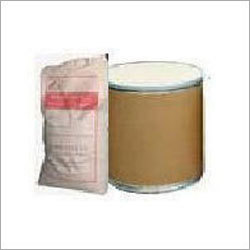
Anhydrous Lithium Chloride Powder
Minimum Order Quantity : 25 Kilograms
Solubility : Soluble in water, alcohol, and pyridine
Purity : 99% Min
CAS No : 7447418
Other Names : LiCl
HS Code : 28273990

Contact us

- Unit 1 :W-6, M.I.D.C., Chemical Zone, Ambernath (W), Ambernath - 421501, Maharashtra, India
- Phone : 08045479213
SONTARA ORGANO INDUSTRIES
GST : 27AAKFS5792F1ZP

- Mr. Mukesh B. Parekh (Partner)
- Mobile : 08045479213
- Send Inquiry
 Send Inquiry
 Send Inquiry
 Send SMS
SONTARA ORGANO INDUSTRIES
All Rights Reserved.(Terms of Use)
Developed and Managed by Infocom Network Private Limited.
Developed and Managed by Infocom Network Private Limited.
