About लिथियम à¤à¥à¤²à¥à¤°à¤¾à¤à¤¡ 40% à¤à¥à¤²
| Name of Product | Lithium Chloride 40% solution | IUPAC Name | lithium;chloride |
| CAS No | 7447-41-8 | InChI | InChI=1S/ClH.Li/h1H;/q;+1/p-1 |
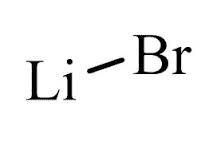
| Formula | LiCl | InChI Key | KWGKDLIKAYFUFQ-UHFFFAOYSA-M |
| Other name / synonyms | LITHIUM CHLORIDE | Canonical SMILES | [Li+].[Cl-] |
| 7447-41-8 | CAS | 7447-41-8 |
| Lithium chloride (LiCl) | EC Number | 231-212-3 |
| chlorure de lithium | ICSC Number | 711 |
| Lithiumchlorid | RTECS Number | OJ5950000 |
| Lithiumchloride | UNII | G4962QA067 |
| Chlorku litu | Wikipedia | Lithium chloride |
| LiCl |
|
|
| chlorolithium | Description | Clear, colourless solution |
| Luthium chloride | Assay | 39 – 41 % |
| Chlorku litu [Polish] |
|
|
| Lithium chloride solution |
|
|
| lithium(1+) ion chloride |
|
|
| Chlorure de lithium [French] |
|
|
| CHEMBL69710 |
|
|
| CCRIS 5924 |
|
|
| UNII-G4962QA067 |
|
|
| CHEBI:48607 |
|
|
| HSDB 4281 |
|
|
| EINECS 231-212-3 |
|
|
| NSC327172 |
|
|
| NSC 327172 |
|
|
| 404596-80-1 |
|
|
| lithii chloridum |
|
|
| Lithium Cholride |
|
|
| cloruro de litio |
|
|
| LithoTab chloride |
|
|
| Lithium chloride,crystal |
|
|
| Lopac-L-4408 |
|
|
| MolMap_000071 |
|
|
| WLN: LI G |
|
|
| AC1L8V4Y |
|
|
| AC1Q1U4K |
|
|
| Lithium Chloride, Anhydrous |
|
|
| Lopac0_000604 |
|
|
| LITHIUM CHLORIDE, ACS |
|
|
| KSC492I6F |
|
|
| L7026_SIGMA |
|
|
| L9650_SIGMA |
|
|
| 203637_ALDRICH |
|
|
| 429457_ALDRICH |
|
|
| 449881_ALDRICH |
|
|
| 667544_ALDRICH |
|
|
| L4408_SIAL |
|
|
| 02685_FLUKA |
|
|
| 62476_FLUKA |
|
|
| 62476_SIGMA |
|
|
| 62478_FLUKA |
|
|
| 62481_FLUKA |
|
|
| 62483_FLUKA |
|
|
| 73036_FLUKA |
|
|
| CTK3J2462 |
|
|
| KWGKDLIKAYFUFQ-UHFFFAOYSA-M |
|
|
| MolPort-000-156-705 |
|
|
| 62478_SIAL |
|
|
| 62481_SIAL |
|
|
| 62483_SIAL |
|
|
| 73036_SIAL |
|
|
| HMS3261J10 |
|
|
| LTBB003327 |
|
|
| 213233_SIAL |
|
|
| 310468_SIAL |
|
|
| ANW-36491 |
|
|
| DNC000879 |
|
|
| AKOS015902822 |
|
|
| AKOS015950647 |
|
|
| AKOS024438070 |
|
|
| CCG-204693 |
|
|
| G4962QA067 |
|
|
| lithium chloride, gamma irradiated, 8m |
|
|
| LP00604 |
|
|
| LS-1644 |
|
|
| NSC-327172 |
|
|
| RTR-024082 |
|
|
| TRA-0189435 |
|
|
| NCGC00015607-01 |
|
|
| NCGC00015607-02 |
|
|
| NCGC00015607-03 |
|
|
| NCGC00015607-04 |
|
|
| NCGC00093980-01 |
|
|
| NCGC00093980-02 |
|
|
| SC-65521 |
|
|
| AB1002933 |
|
|
| KB-297204 |
|
|
| TR-024082 |
|
|
| EU-0100604 |
|
|
| FT-0627896 |
|
|
| L0204 |
|
|
| L0222 |
|
|
| W8215 |
|
|
| LITHIUM CHLORIDE, ANHYDROUS, 99.65% |
|
|
| L 4408 |
|
|
| A838146 |
|
|
| 3B4-1961 |
|
|
| I14-19628 |
|
|
| Lithium atomic spectroscopy standard concentrate 1.00 g Li |
|
|
| 1220508-63-3 |
|
|
| 1309791-76-1 |
|
|
|
|
|
|
High Performance in Industrial ApplicationsLithium Chloride 40% Solution plays a pivotal role in diverse industrial sectors, from chemical synthesis to metallurgical processes. Its impeccable solubility and high electrical conductivity make it exceptionally suitable as an electrolyte in battery technology and as a humidity absorbent in sensitive manufacturing environments. Its consistent purity and compliance with quality standards ensure reliability across its various uses.
Safe Handling and Storage RecommendationsDue to its toxic nature, Lithium Chloride solution requires strict adherence to safety protocols. Store the product in tightly closed containers placed in cool, dry locations to preserve its stability and extend shelf life up to 24 months. Industrial and laboratory users should always use protective equipment, and avoid ingestion or inhalation to mitigate health risks associated with this compound.
FAQs of Lithium Chloride 40% solution:
Q: How should Lithium Chloride 40% Solution be stored for optimal stability?
A: Lithium Chloride solution should be stored in tightly closed containers, kept in a cool and dry environment. These conditions maintain its stability and extend its shelf life up to 24 months if the product remains unopened.
Q: What are the industrial benefits of using Lithium Chloride 40% Solution?
A: This solution offers high electrical conductivity and complete water solubility, making it valuable for battery electrolytes, humidity absorption, and as a precursor in pharmaceutical and metallurgical syntheses. Its reliability and purity enhance process efficiency across these applications.
Q: When is Lithium Chloride 40% Solution typically used in laboratories and industry?
A: It is commonly employed during chemical synthesis, metallurgical processes, humidity control, and as an electrolyte in battery manufacturing. Usage is dictated by the need for high conductivity and solubility, in accordance with industrial quality standards.
Q: Where is Lithium Chloride 40% Solution primarily exported and supplied from?
A: This solution is manufactured and exported from India, distributed globally by manufacturers and suppliers meeting industrial grade standards and relevant regulatory codes such as EINECS No: 231-212-3 and HS Code 2827 39 00.
Q: What safety precautions should be followed during the handling process?
A: Use protective gloves and goggles when handling Lithium Chloride solution; ensure proper ventilation to avoid inhalation and prevent ingestion, as the compound is toxic. Always refer to the safety data sheet and industrial guidelines for detailed procedures.
Q: How does Lithium Chloride solution contribute to specialty chemical synthesis?
A: Its high solubility and moderate pH facilitate efficient reactions in chemical synthesis, acting as a key reagent or catalyst in processes requiring reliable ionic strength and purity, enhancing the quality of the final products.