

 Send Inquiry
1-(3-Chloropropyl)-4-methylpiperazine
1-(3-Chloropropyl)-4-methylpiperazine Specification
- Structural Formula
- C8H17ClN2 (structure as per image or chemical notation)
- Molecular Formula
- C8H17ClN2
- Molecular Weight
- 176.69 g/mol
- HS Code
- 29333990
- Refractive Rate
- n20/D 1.492
- Smell
- Characteristic
- Boiling point
- 262°C
- Classification
- Pharmaceutical Intermediates
- Grade
- Industrial/Pharmaceutical Grade
- Purity
- 98% min
- Application
- Used as an intermediate in organic synthesis and pharmaceutical manufacturing
- Appearance
- Colorless to slight yellow liquid
- CAS No
- 35675-80-0
- EINECS No
- 252-178-1
- Other Names
- 1-(3-Chloropropyl)-4-methylpiperazine; 4-Methyl-1-(3-chloropropyl)piperazine
- Usage
- Key intermediate in synthesis of pharmaceutical compounds and agrochemicals
- Melting Point
- <-50°C
- Density
- 1.04 Gram per cubic centimeter(g/cm3)
- Solubility
- Miscible with most organic solvents
- Raw Material
- Piperazine, 1-bromo-3-chloropropane, methylamine
- Packing
- Available in plastic or glass bottles, bulk drums
- Shelf Life
- 24 months from date of manufacture when properly stored
- Hazard Identification
- Irritant; avoid contact with skin, eyes, and clothing
- Flash Point
- >90 C
- Storage Conditions
- Store in tightly sealed containers in a cool, dry, well-ventilated place, away from direct sunlight and incompatible materials
- Stability
- Stable under recommended conditions; may decompose on exposure to heat or moisture
- Vapor Pressure
- Not determined
- Transport Information
- Not regulated as dangerous goods
1-(3-Chloropropyl)-4-methylpiperazine Trade Information
- FOB Port
- Jnpt
- Supply Ability
- 100 Per Month
- Delivery Time
- 7 Days
- Sample Available
- Yes
- Sample Policy
- Free samples available with shipping and taxes paid by the buyer
- Packaging Details
- LDPE Bags/ LDPE Drums
- Main Export Market(s)
- Asia, Australia, Central America, North America, South America, Eastern Europe, Western Europe, Middle East, Africa
- Main Domestic Market
- All India
- Certifications
- ISO Certified
About 1-(3-Chloropropyl)-4-methylpiperazine
| Name of Product | 1-Chloropropyl-3-(4-Methyl Piperazine)Hydrochloride |
| CAS No | 2031-23-4 |
| Formula | C8H19Cl3N2 |
| IUPAC Name | 1-(3-chloropropyl)-4-methylpiperazine;dihydrochloride |
| InChI | InChI=1S/C8H17ClN2.2ClH/c1-10-5-7-11(8-6-10)4-2-3-9;;/h2-8H2,1H3;2*1H |
| InChI Key | RRZYWKLLIIIINP-UHFFFAOYSA-N |
| Canonical SMILES | CN1CCN(CC1)CCCCl.Cl.Cl |
| EC Number | 217-981-8 |
| Description | Amber to brown coloured liquid |
| Purity by GC | Not less than 95.0% |
| Free HCl | 6 11 % |
| Other name / synonyms | 1-(3-Chloropropyl)-4-methylpiperazine dihydrochloride |
| 2031-23-4 | |
| SBB070874 | |
| 1-(3-Chloropropyl)-4-methylpiperazine 2HCl | |
| 1-(3-chloropropyl)-4-methylpiperazinedihydrochloride | |
| AC1MHZ46 | |
| KSC496Q7P | |
| SCHEMBL409216 | |
| CTK3J6877 | |
| MolPort-000-140-085 | |
| RRZYWKLLIIIINP-UHFFFAOYSA-N | |
| EINECS 217-981-8 | |
| ANW-53762 | |
| 1- -4-methylpiperazinedihydrochloride | |
| AKOS005255194 | |
| AC-4210 | |
| DS-2083 | |
| MP-0035 | |
| PS-7496 | |
| RP06100 | |
| RTC-061363 | |
| AK-25568 | |
| AN-12193 | |
| KB-08698 | |
| SC-16794 | |
| 1-(3-Chloropropyl)-4-methylpiperazine HCl | |
| AB0040539 | |
| DB-008003 | |
| TC-061363 | |
| 4CH-006768 | |
| A4421 | |
| FT-0601054 | |
| ST24026876 | |
| Y8160 | |
| EN300-79084 | |
| I13-0281 | |
| 4-(3-chloropropyl)-1-methylpiperazine dihydrochloride | |
| 1-(3-chloro-propyl)-4-methyl-piperazine dihydrochloride | |
| 1-(3-chloropropyl)-4-methyl-piperazine dihydrochloride | |
| 3-(4-methyl-1-piperazinyl)propyl chloride dihydrochloride | |
| 1-(3-CHLOROPROPYL)-4-METHYL PIPERAZINE DIHYDROCHLORIDE |
Key Chemical Properties
1-(3-Chloropropyl)-4-methylpiperazine (CAS No: 35675-80-0) features a molecular formula of C8H17ClN2, a melting point below -50C, and a density of 1.04 g/cm. With a boiling point of 262C and a refractive index n20/D of 1.492, it is miscible with the majority of organic solvents, facilitating its integration in various synthetic applications.
Safe Handling and Storage
To maintain product integrity, this compound must be stored in tightly sealed containers, away from sources of heat, direct sunlight, and moisture. Proper storage ensures stability and maximizes its 24-month shelf life. As an irritant, suitable protective measures, such as wearing gloves and safety glasses, are advisable during handling.
Applications in Synthesis
1-(3-Chloropropyl)-4-methylpiperazine serves as a crucial intermediate for synthesizing pharmaceuticals and agrochemicals. Its compatibility with most organic solvents and consistent high purity make it a preferred choice for industrial and pharmaceutical grade processes. Exported globally from India, it meets rigorous manufacturing and supply standards.
FAQs of 1-(3-Chloropropyl)-4-methylpiperazine:
Q: How should 1-(3-Chloropropyl)-4-methylpiperazine be stored for optimal shelf life?
A: It is best stored in tightly sealed containers in a cool, dry, well-ventilated area, away from direct sunlight and incompatible materials. Proper storage extends its shelf life up to 24 months from the date of manufacture.Q: What precautions are needed when handling this compound?
A: Since it is classified as an irritant, avoid contact with skin, eyes, and clothing. Use appropriate personal protective equipment, such as gloves and safety glasses, during handling.Q: When is 1-(3-Chloropropyl)-4-methylpiperazine used in pharmaceutical processes?
A: This compound is used as a key intermediate during organic synthesis steps in the manufacturing of pharmaceutical compounds, where its chemical properties facilitate the formation of active ingredients.Q: Where can this product be sourced and in what packaging options?
A: Manufacturers, exporters, and suppliers, particularly from India, offer this compound in plastic or glass bottles for smaller quantities and in bulk drums for larger industrial applications.Q: What is the main benefit of using this compound in synthesis?
A: Its high purity (98% min), miscibility with most organic solvents, and stable chemical properties make it highly efficient and reliable as an intermediate in pharmaceutical or agrochemical synthesis processes.Q: How does its stability affect storage or transportation?
A: The compound remains stable under recommended conditions but may decompose if exposed to excessive heat or moisture. It is not regulated as dangerous goods for transport, making logistics straightforward when safety guidelines are followed.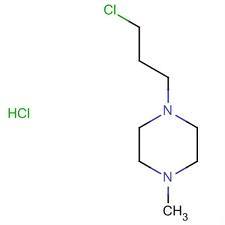
Tell us about your requirement

Price:
Quantity
Select Unit
- 50
- 100
- 200
- 250
- 500
- 1000+
Additional detail
Mobile number
Email

More Products in Inorganic Metal Bromide Category

Hydrogen Bromide Gas
Melting Point : 86.9C
Solubility : Highly soluble in water
Structural Formula : HBr
Molecular Formula : HBr
Other Names : Hydrobromic Acid Gas, Bromane
Molecular Weight : 80.91 g/mol
Sodium Bromide
Melting Point : 755C
Solubility : Soluble in Water, Slightly Soluble in Alcohol
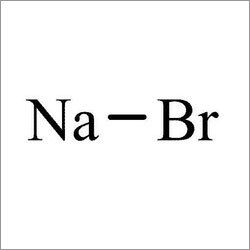
Structural Formula : NaBr
Molecular Formula : NaBr
Other Names : Sodium Bromide, Bromo Salt
Molecular Weight : 102.89 g/mol

Bromide salt Of Potassium
Melting Point : 734C
Solubility : Soluble in water
Structural Formula : KBr
Molecular Formula : KBr
Other Names : Potassium bromide
Molecular Weight : 119.00 g/mol
Potassium Bromide
Melting Point : 734C
Solubility : Soluble in Water, Slightly Soluble in Alcohol
Structural Formula : K+ Br
Molecular Formula : KBr
Other Names : KBr
Molecular Weight : 119.00 g/mol

Contact us

- Unit 1 :W-6, M.I.D.C., Chemical Zone, Ambernath (W), Ambernath - 421501, Maharashtra, India
- Phone : 08045479213
SONTARA ORGANO INDUSTRIES
GST : 27AAKFS5792F1ZP

- Mr. Mukesh B. Parekh (Partner)
- Mobile : 08045479213
- Send Inquiry
 Send Inquiry
 Send Inquiry
 Send SMS
 Call Me Free
SONTARA ORGANO INDUSTRIES
All Rights Reserved.(Terms of Use)
Developed and Managed by Infocom Network Private Limited.
Developed and Managed by Infocom Network Private Limited.


 English
 Spanish
 French
 German
 Italian
 Chinese (Simplified)
 Japanese
 Korean
 Arabic
 Portuguese