

 Send Inquiry
Cetyl Bromide
MOQ : 1 Kilograms
Cetyl Bromide Specification
- HS Code
- 2903.99
- Molecular Formula
- C16H33Br
- Structural Formula
- C16H33Br
- Boiling point
- 350°C at 760 mmHg
- Smell
- Characteristic odor
- Molecular Weight
- 305.34 g/mol
- Grade
- Industrial Grade
- Purity
- 99%
- Application
- Intermediate for chemical synthesis
- Appearance
- White crystalline powder
- CAS No
- 112-82-3
- EINECS No
- 203-998-3
- Other Names
- Hexadecyl bromide
- Usage
- Used in pharmaceutical and cosmetic industries
- Melting Point
- 21°C
- Density
- 0.98 Gram per cubic centimeter(g/cm3)
- Solubility
- Insoluble in water soluble in organic solvents
- Raw Material
- Cetyl alcohol and bromine
Cetyl Bromide Trade Information
- Minimum Order Quantity
- 1 Kilograms
- Supply Ability
- 100 Kilograms Per Month
- Delivery Time
- 7 Days
- Main Export Market(s)
- Asia, Australia, Central America, North America, South America, Eastern Europe, Western Europe, Middle East, Africa
Cetyl Bromide About
| Name of Product | Cetyl Bromide | ||||||||||||||
| CAS No | 112-82-3 | ||||||||||||||
| Formula | C16H33Br | ||||||||||||||
| Other name / synonyms | 1-BROMOHEXADECANE | ||||||||||||||
| Cetyl bromide | |||||||||||||||
| Hexadecyl bromide | |||||||||||||||
| 112-82-3 | |||||||||||||||
| n-Hexadecyl bromide | |||||||||||||||
| Hexadecane, 1-bromo- | |||||||||||||||
| 1-Hexadecyl bromide | |||||||||||||||
| bromohexadecane | |||||||||||||||
| n-Hexadecyl-1-bromide | |||||||||||||||
| HNTGIJLWHDPAFN-UHFFFAOYSA-N | |||||||||||||||
| SBB059943 | |||||||||||||||
| Hexadecylbromide | |||||||||||||||
| palmityl bromide | |||||||||||||||
| 1-Bromocetane | |||||||||||||||
| 1-bromo hexadecane | |||||||||||||||
| Hexadecane,1-bromo- | |||||||||||||||
| ACMC-1BYIV | |||||||||||||||
| AC1L1QIS | |||||||||||||||
| UNII-76GJI7GVAM | |||||||||||||||
| 76GJI7GVAM | |||||||||||||||
| AC1Q27VR | |||||||||||||||
| DSSTox_CID_29356 | |||||||||||||||
| DSSTox_RID_83472 | |||||||||||||||
| DSSTox_GSID_49397 | |||||||||||||||
| SCHEMBL33335 | |||||||||||||||
| KSC491K8R | |||||||||||||||
| 234451_ALDRICH | |||||||||||||||
| Jsp001000 | |||||||||||||||
| CHEMBL3188886 | |||||||||||||||
| CTK3J1588 | |||||||||||||||
| NSC4193 | |||||||||||||||
| MolPort-001-783-751 | |||||||||||||||
| NSC 4193 | |||||||||||||||
| NSC-4193 | |||||||||||||||
| EINECS 204-008-7 | |||||||||||||||
| Tox21_202722 | |||||||||||||||
| ANW-16531 | |||||||||||||||
| AR-1C2035 | |||||||||||||||
| BR1074 | |||||||||||||||
| AKOS015911583 | |||||||||||||||
| MCULE-7970004064 | |||||||||||||||
| RL00523 | |||||||||||||||
| RTR-002481 | |||||||||||||||
| TRA-0205486 | |||||||||||||||
|
NCGC00260270-01
|
High Purity and Chemical Stability
Cetyl Bromide boasts a purity level of 99%, making it a reliable ingredient in various industrial processes. Its boiling point of 350C ensures thermal stability, while the melting point is 21C, supporting consistent performance during storage and handling.
Key Applications in Pharmaceuticals and Cosmetics
Widely recognized as an essential intermediate, Cetyl Bromide is utilized in the synthesis of specialty chemicals for the pharmaceutical and cosmetic sectors. Its effectiveness and safety make it a preferred choice for manufacturers worldwide.
Sourcing and Quality Assurance
Manufactured using cetyl alcohol and bromine, Cetyl Bromide is produced to meet rigorous quality standards. Exporters and suppliers in India ensure compliance with industrial norms, providing detailed certification such as CAS No. 112-82-3 and EINECS No. 203-998-3.
FAQ's of Cetyl Bromide:
Q: How is Cetyl Bromide manufactured?
A: Cetyl Bromide is synthesized through the reaction of cetyl alcohol with bromine, resulting in a highly pure (99%) white crystalline powder suitable for industrial use.Q: What are the primary uses of Cetyl Bromide?
A: Cetyl Bromide is mainly used as an intermediate in the pharmaceutical and cosmetic industries, facilitating the production of various active ingredients and specialty chemicals.Q: When should Cetyl Bromide be used in chemical processes?
A: Cetyl Bromide is incorporated during synthesis steps where a reliable long-chain alkyl bromide is required as a starting material or reactant for producing more complex compounds.Q: Where is Cetyl Bromide typically sourced from?
A: It is commonly supplied by manufacturers and exporters based in India, meeting global industrial-grade standards with supporting documentation such as the HS Code 2903.99.Q: What is the process for handling and storing Cetyl Bromide?
A: Cetyl Bromide should be handled in well-ventilated areas and stored in tightly sealed containers, away from moisture and incompatible substances, to maintain product quality and safety.Q: How does Cetyl Bromide benefit chemical synthesis?
A: Its high purity and stability make Cetyl Bromide an ideal intermediate that ensures efficiency and consistency in the synthesis of pharmaceutical and cosmetic compounds.Q: Is Cetyl Bromide soluble in water?
A: No, Cetyl Bromide is insoluble in water but is soluble in a range of organic solvents, which aids its incorporation into various chemical formulations.
Tell us about your requirement

Price:
Quantity
Select Unit
- 50
- 100
- 200
- 250
- 500
- 1000+
Additional detail
Mobile number
Email

More Products in Aliphatic Bromide Category
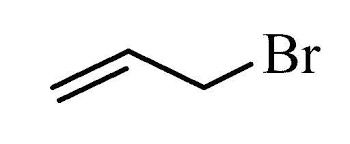
Allyl Bromide
Minimum Order Quantity : 1 Kilograms
Molecular Formula : C3H5Br
EINECS No : 2034450
Molecular Weight : 120.98 g/mol
Structural Formula : CH2=CHCH2Br
Boiling point : 71 C
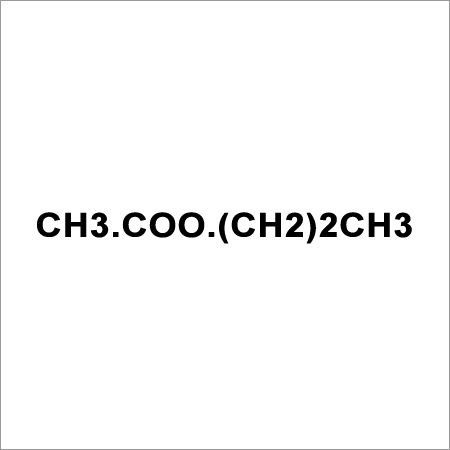
n-Propyl Acetate
Minimum Order Quantity : 1 Kilograms
Molecular Formula : C5H10O2
EINECS No : 2036861
Molecular Weight : 102.13 g/mol
Structural Formula : CH3COOCH2CH2CH3
Boiling point : 101C
Hbr Gas in Acetic Acid
Minimum Order Quantity : 1 Kilograms
Molecular Formula : HBr in Acetic Acid (mixture)
EINECS No : 2331130
Molecular Weight : 80.91 (HBr only)
Structural Formula : HBr + CH3COOH
Boiling point : ~124C (HBr aqueous solution)
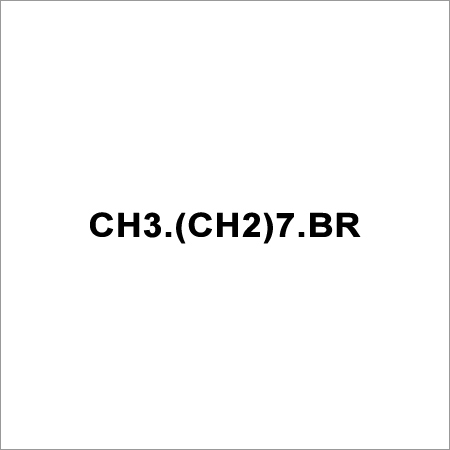
n-Octyl Bromide
Minimum Order Quantity : 1 Kilograms
Molecular Formula : C8H17Br
EINECS No : 2039096
Molecular Weight : 193.12 g/mol
Structural Formula : CH3(CH2)7Br
Boiling point : 210C

Contact us

- Unit 1 :W-6, M.I.D.C., Chemical Zone, Ambernath (W), Ambernath - 421501, Maharashtra, India
- Phone : 08045479213
SONTARA ORGANO INDUSTRIES
GST : 27AAKFS5792F1ZP

- Mr. Mukesh B. Parekh (Partner)
- Mobile : 08045479213
- Send Inquiry
 Send Inquiry
 Send Inquiry
 Send SMS
 Call Me Free
SONTARA ORGANO INDUSTRIES
All Rights Reserved.(Terms of Use)
Developed and Managed by Infocom Network Private Limited.
Developed and Managed by Infocom Network Private Limited.


 English
 Spanish
 French
 German
 Italian
 Chinese (Simplified)
 Japanese
 Korean
 Arabic
 Portuguese