

 Send Inquiry
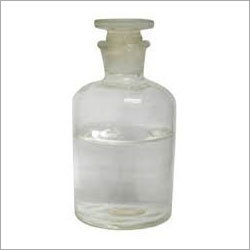
Ethyl Bromide
MOQ : 1 Kilograms
Ethyl Bromide Specification
- Molecular Weight
- 108.97 g/mol
- Boiling point
- 38.4 °C
- Structural Formula
- CH3CH2Br
- Molecular Formula
- C2H5Br
- Smell
- Sweet, chloroform-like odor
- Refractive Rate
- 1.434
- HS Code
- 29036990
- Classification
- Organic Chemicals
- Organic Acid Types
- Alkyl Halide
- Grade
- Industrial, Laboratory
- Purity
- 99% min
- Application
- Pharmaceutical intermediates, Organic synthesis, Laboratory reagent
- Appearance
- Colorless to light yellow liquid
- CAS No
- 74-96-4
- EINECS No
- 200-825-8
- Other Names
- Bromoethane
- Usage
- Used in the synthesis of pharmaceuticals and as an alkylating agent
- Melting Point
- -119 °C
- Density
- 1.46 Gram per cubic centimeter(g/cm3)
- Solubility
- Slightly soluble in water, miscible with organic solvents
- Raw Material
- Ethanol, Bromine
- Synthesis Method
- Reaction of ethanol with bromine in presence of catalyst
- UN Number
- 2347
- Autoignition Temperature
- 440 C
- Hazards
- Flammable, harmful by inhalation
- Packaging
- Packed in glass bottles/drums
- Shelf Life
- 1 Year
- Vapor Pressure
- 400 mmHg (20C)
- Storage Conditions
- Keep in tightly closed containers, store in a cool, dry, well-ventilated area
- Flash Point
- -23 C
- Transport Information
- Class 3 (Flammable Liquids)
- Stability
- Stable under normal temperatures and pressures
Ethyl Bromide Trade Information
- Minimum Order Quantity
- 1 Kilograms
- Supply Ability
- 100 Kilograms Per Month
- Delivery Time
- 7 Days
- Sample Available
- No
- Main Export Market(s)
- Asia, Australia, Central America, North America, South America, Eastern Europe, Western Europe, Middle East, Africa
Ethyl Bromide About
Our organization is appreciated by our esteemed clients over the international market by providing a highly effective Ethyl Bromide.The offered chemical is commercially used in chemical, pharmaceutical, food processing, mining, construction and many other industries. It is processed at our well-versed processing set up with the use of supreme quality chemical compounds under the most suitable conditions. As per specific needs of the clients, this Ethyl Bromide made available in various packaging options at marginal rates for the clients.
Features:
-
Exact pH value
-
Accurate composition
-
Longer Shelf life
-
Safe to use
| Specifications: |
| Name of Product: Ethyl Bromide |
| Sr No | ACTIVITY |
| A | General information : |
| 1 | Structure : CH3-CH2-Br |
| 2 | Molecular formula : C2H5Br |
| 3 | Molecular weight : 108.97 |
| 4 | Chemical name : Ethyl bromide, Bromoethane |
| 5 | Density at 25oc : 1.460gm/ml |
| 6 | Boiling point : 37-40 0C |
| CAS no. : 74-96-4 | |
| | |
| B | Specifications : |
| 1 | Description : Clear, colourless liquid |
| 2 | Purity by GC : Not less than 99.0% |
| 3 | Water : Not more than 0.2 % |
| 4 | Acidity : Not more than 0.1 % |
Key Properties and Applications
Ethyl Bromide is characterized by its volatility, low melting and boiling points, and excellent miscibility with organic solvents. Commonly used in pharmaceutical synthesis, it also serves as a laboratory reagent and an effective alkylating agent in organic chemistry. Its utility in these sectors is driven by its reliable reactivity and high purity.
Safe Handling and Storage Guidelines
Due to its flammability and vapor pressure, Ethyl Bromide should always be stored in tightly sealed glass bottles or drums in a cool, dry, well-ventilated area. Proper storage mitigates hazards and helps maintain its stability and shelf life of up to one year under recommended conditions.
Production and Packaging
Ethyl Bromide is synthesized via the reaction of ethanol with bromine using a suitable catalyst. Strict quality control during packagingtypically in glass bottles or drumsensures product integrity during transport and storage. Each container is clearly labeled with UN and hazard classification for safety compliance.
FAQs of Ethyl Bromide:
Q: How is Ethyl Bromide typically produced?
A: Ethyl Bromide is synthesized by reacting ethanol with bromine in the presence of a catalyst, resulting in the alkyl halide known as bromoethane.Q: What are the recommended storage conditions for Ethyl Bromide?
A: Store Ethyl Bromide in tightly closed containers, ideally glass bottles or drums, in a cool, dry, and well-ventilated area to ensure safety and maintain stability.Q: When should Ethyl Bromide be used by, considering its shelf life?
A: Ethyl Bromide should be used within one year from the date of manufacture, as its shelf life is one year under recommended storage conditions.Q: Where is Ethyl Bromide commonly applied?
A: It is primarily used in pharmaceutical manufacturing, organic synthesis, and laboratory research as a reagent or alkylating agent.Q: What precautions should be taken during transportation of Ethyl Bromide?
A: As a flammable liquid (Class 3, UN 2347), Ethyl Bromide must be transported in appropriate containers with proper labeling, adhering to relevant regulations to ensure safe handling.Q: How does Ethyl Bromide benefit organic synthesis processes?
A: Thanks to its high purity and reactivity, Ethyl Bromide acts as an effective alkylating agent, facilitating the introduction of ethyl groups into organic molecules, crucial in the synthesis of pharmaceuticals and chemicals.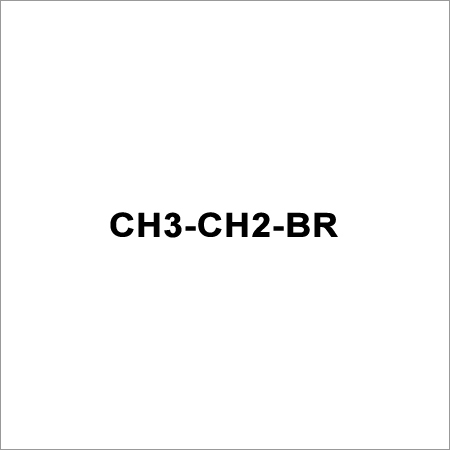
Tell us about your requirement

Price:
Quantity
Select Unit
- 50
- 100
- 200
- 250
- 500
- 1000+
Additional detail
Mobile number
Email

More Products in Aliphatic Bromide Category
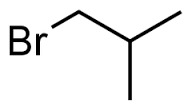
Isobutyl Bromide
Minimum Order Quantity : 1 Kilograms
Molecular Weight : 137.02 g/mol
Solubility : Insoluble in water, soluble in ether and alcohol
HS Code : 29039090
Grade : Other, Technical/Industrial
Appearance : Colorless to pale yellow liquid
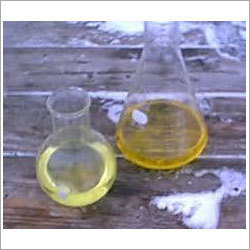
Bromoform
Minimum Order Quantity : 1 Kilograms
Molecular Weight : 252.73 g/mol
Solubility : Slightly soluble in water
HS Code : 2903.11
Grade : Industrial Grade
Appearance : Clear yellow liquid
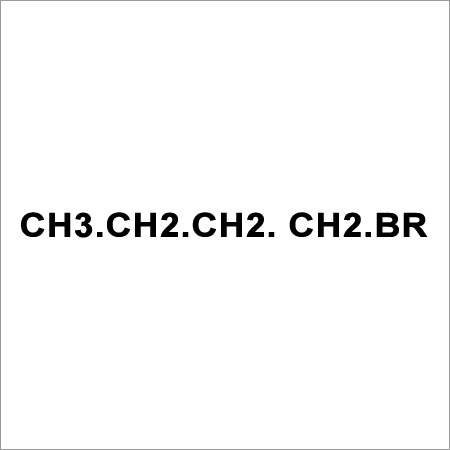
N-Butyl Bromide
Minimum Order Quantity : 1 Kilograms
Molecular Weight : 137.02 g/mol
Solubility : Insoluble in water, soluble in alcohol and ether
HS Code : 29033920
Grade : Other, Industrial, Laboratory
Appearance : Clear colorless to pale yellow liquid
Ethylene Di Bromide
Minimum Order Quantity : 1 Kilograms
Molecular Weight : 187.86 g/mol
Solubility : Slightly soluble in water soluble in organic solvents
HS Code : 290361
Grade : Other, Industrial/Technical
Appearance : Colorless liquid

Contact us

- Unit 1 :W-6, M.I.D.C., Chemical Zone, Ambernath (W), Ambernath - 421501, Maharashtra, India
- Phone : 08045479213
SONTARA ORGANO INDUSTRIES
GST : 27AAKFS5792F1ZP

- Mr. Mukesh B. Parekh (Partner)
- Mobile : 08045479213
- Send Inquiry
 Send Inquiry
 Send Inquiry
 Send SMS
 Call Me Free
SONTARA ORGANO INDUSTRIES
All Rights Reserved.(Terms of Use)
Developed and Managed by Infocom Network Private Limited.
Developed and Managed by Infocom Network Private Limited.


 English
 Spanish
 French
 German
 Italian
 Chinese (Simplified)
 Japanese
 Korean
 Arabic
 Portuguese