

 Send Inquiry
Decyl Bromide
MOQ : 1 Kilograms
Decyl Bromide Specification
- Refractive Rate
- 1.448-1.450 at 20 °C
- HS Code
- 29033990
- Smell
- Characteristic, Ether-like
- Molecular Formula
- C10H21Br
- Structural Formula
- CH3(CH2)9Br
- Molecular Weight
- 221.18 g/mol
- Boiling point
- 243-245 °C
- Grade
- Technical, Laboratory
- Purity
- 98% Min
- Application
- Organic Synthesis, Pharmaceutical Intermediate, Chemical Reagent
- Appearance
- Colorless to Pale Yellow Liquid
- CAS No
- 112-29-8
- EINECS No
- 203-951-1
- Other Names
- 1-Bromodecane, n-Decyl bromide
- Usage
- For synthesis, Laboratory use, Research
- Melting Point
- -7 °C
- Density
- 1.057 Gram per cubic centimeter(g/cm3)
- Solubility
- Insoluble in water, soluble in organic solvents
- Raw Material
- Decanol, Bromine
- Storage Conditions
- Store in cool, dry, well-ventilated area away from sources of ignition
- Stability
- Stable under recommended storage conditions
- Shelf Life
- 24 months from manufacturing date in sealed container
- LogP
- 6.44
- Molar Refractivity
- 63.38 cm3
- Synonyms
- n-Decyl bromide, Bromodecane-1
- UN Number
- UN 2810
- Packaging
- Sealed drums or bottles, customized on request
- Hazard Class
- 6.1 (Toxic substances)
- Vapor Pressure
- 0.24 mmHg at 25 C
Decyl Bromide Trade Information
- Minimum Order Quantity
- 1 Kilograms
- Supply Ability
- 100 Kilograms Per Month
- Delivery Time
- 7 Days
- Main Export Market(s)
- Asia, Australia, Central America, North America, South America, Eastern Europe, Western Europe, Middle East, Africa
Decyl Bromide About
| Name of Product | Decyl Bromide |
| CAS No | 112-29-8 |
| Formula | CH3(CH2)9Br |
| IUPAC Name | 1-bromohexadecane |
| InChI | InChI=1S/C16H33Br/c1-2-3-4-5-6-7-8-9-10-11-12-13-14-15-16-17/h2-16H2,1H3 |
| InChI Key | HNTGIJLWHDPAFN-UHFFFAOYSA-N |
| Canonical SMILES | CCCCCCCCCCCCCCCCBr |
| CAS | 112-82-3 |
| EC Number | 204-008-7 |
| UNII | 76GJI7GVAM |
| Description | Clear,colourless to pale yellow liquid. |
| Water | Not more than 0.1 % |
| Acidity | Not more than 0.1 % as HBr |
| Assay (GC) | Not less than 96.0 % |
| Other name / synonyms | 1-BROMODECANE |
|
|
Decyl bromide |
|
|
n-Decyl bromide |
|
|
Decane, 1-bromo- |
|
|
112-29-8 |
|
|
1-Decyl bromide |
|
|
Decylbromide |
|
|
bromodecane |
|
|
1-Bromo decane |
|
|
MYMSJFSOOQERIO-UHFFFAOYSA-N |
|
|
NSC 8780 |
|
|
EINECS 203-955-3 |
|
|
AI3-28586 |
|
|
decylmonobromide |
|
|
n-decylbromide |
|
|
Decyl monobromide |
|
|
Decane, bromo- |
|
|
1-bromo-n-decane |
|
|
PubChem2457 |
|
|
AC1L1QFG |
|
|
AC1Q2VYW |
|
|
DSSTox_CID_30133 |
|
|
DSSTox_GSID_51581 |
|
|
SCHEMBL33325 |
|
|
KSC220K9N |
|
|
ACMC-2099e6 |
|
|
145785_ALDRICH |
|
|
Jsp000948 |
|
|
CTK1C0596 |
|
|
TIMTEC-BB SBB008838 |
|
|
NSC8780 |
|
|
MolPort-001-770-269 |
|
|
BB_SC-6685 |
|
|
LABOTEST-BB LTBB001164 |
|
|
NSC-8780 |
|
|
Tox21_303974 |
|
|
ANW-16444 |
|
|
AR-1I3588 |
|
|
BBL011376 |
|
|
SBB008838 |
|
|
STL146474 |
|
|
AKOS005720976 |
|
|
AS03179 |
|
|
MCULE-1805531766 |
|
|
RP27315 |
|
|
RTR-030719 |
|
|
TRA0159636 |
|
|
NCGC00357198-01 |
|
|
AN-43121 |
|
|
CAS-112-29-8 |
|
|
I867 |
|
|
KB-11797 |
|
|
LS-59281 |
|
|
TR-030719 |
|
|
B0583 |
|
|
FT-0607551 |
|
|
ST51046206 |
|
|
3B4-0642 |
|
|
I14-6456 |
|
|
30141-69-6 |
|
|
AK-45308 |
|
|
AN-43154 |
|
|
CAS-112-82-3 |
|
|
I871 |
|
|
KB-11800 |
|
|
SC-77692 |
|
|
AI3-11181 |
|
|
DB-050370 |
|
|
TR-002481 |
|
|
B0599 |
|
|
FT-0607531 |
|
|
ST24037905 |
|
|
ST50410268 |
|
|
3B4-0623 |
|
|
I14-3709 |
|
|
|
High Purity and Versatile Applications
With a minimum purity of 98%, Decyl Bromide is well-suited for various chemical processes, including pharmaceutical synthesis, organic reactions, and research applications. Its insolubility in water and solubility in organic solvents expand its potential uses in laboratories and industrial settings.
Safe Handling and Storage Recommendations
To maintain Decyl Bromides stability and efficacy, store it in a cool, dry, and well-ventilated area away from ignition sources. Proper storage in sealed bottles or drums extends its shelf life to 24 months, ensuring safety for users and longevity for inventory.
FAQs of Decyl Bromide:
Q: How should Decyl Bromide be stored for optimal stability?
A: Decyl Bromide should be kept in a cool, dry, and well-ventilated area, away from sources of ignition. It is recommended to store it in sealed containers or drums to preserve stability and maintain its shelf life of 24 months from manufacturing date.Q: What are the primary applications of Decyl Bromide?
A: This compound is widely used as an intermediate in organic synthesis, a reagent in laboratory research, and in the pharmaceutical industry. Its chemical properties make it valuable for preparing various organic compounds.Q: When does Decyl Bromide expire, and how is shelf life determined?
A: Decyl Bromide remains effective for 24 months from the date of manufacture when sealed and stored according to recommended conditions. Monitoring the containers seal and observing storage guidelines helps ensure product integrity.Q: Where is Decyl Bromide typically used?
A: It finds applications in research laboratories, pharmaceutical manufacturing facilities, and chemical synthesis plants. As an export-grade chemical, it is also sourced by global scientific and industrial institutions.Q: What is the process for handling and using Decyl Bromide safely?
A: Handling Decyl Bromide requires personal protective equipment such as gloves and goggles due to its classification as a toxic substance (Hazard Class 6.1). Always use it in well-ventilated environments and ensure proper disposal per local hazardous waste protocols.Q: How is Decyl Bromide packaged and can packaging be customized?
A: Standard packaging includes sealed drums or bottles to prevent leakage and contamination. Customized packaging solutions are available upon request to meet specific storage or transportation requirements.Q: What are the benefits of using Decyl Bromide in synthesis and research?
A: It offers high purity and precise reactivity, making it a reliable choice for efficient organic transformations. Its stability and compatibility with organic solvents streamline laboratory and industrial processes.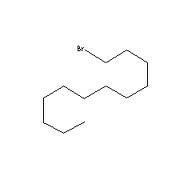
Tell us about your requirement

Price:
Quantity
Select Unit
- 50
- 100
- 200
- 250
- 500
- 1000+
Additional detail
Mobile number
Email

More Products in Aliphatic Bromide Category
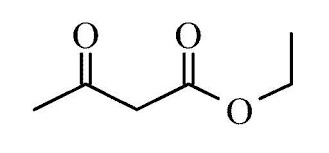
Ethyl Aceto Acetate
Minimum Order Quantity : 1 Kilograms
Smell : Other, Pleasant, fruity
CAS No : 141979
Raw Material : Acetic acid, Ethanol
Refractive Rate : 1.4181.420
HS Code : 29183000
Bromo Propionic Acid
Minimum Order Quantity : 1 Kilograms
Smell : Other, Pungent, acrid
CAS No : 598721
Raw Material : Derived from propionic acid
Refractive Rate : n20/D 1.464
HS Code : 29159090
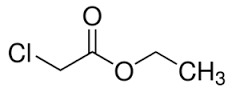
Ethyl Chloro Acetate
Minimum Order Quantity : 1 Kilograms
Smell : Pungent fruity odor, Other
CAS No : 105395
Raw Material : Based on chloroacetic acid and ethanol
Refractive Rate : 1.423 1.425 (at 20C)
HS Code : 291590
Lithium Bromide 50-55% Sol
Minimum Order Quantity : 1 Kilograms
Smell : Other, Odorless
CAS No : 7550358
Raw Material : Lithium Carbonate, Hydrobromic Acid
Refractive Rate : nD25 approx. 1.45
HS Code : 28275990

Contact us

- Unit 1 :W-6, M.I.D.C., Chemical Zone, Ambernath (W), Ambernath - 421501, Maharashtra, India
- Phone : 08045479213
SONTARA ORGANO INDUSTRIES
GST : 27AAKFS5792F1ZP

- Mr. Mukesh B. Parekh (Partner)
- Mobile : 08045479213
- Send Inquiry
 Send Inquiry
 Send Inquiry
 Send SMS
SONTARA ORGANO INDUSTRIES
All Rights Reserved.(Terms of Use)
Developed and Managed by Infocom Network Private Limited.
Developed and Managed by Infocom Network Private Limited.


 English
 Spanish
 French
 German
 Italian
 Chinese (Simplified)
 Japanese
 Korean
 Arabic
 Portuguese