

 Send Inquiry
ETHYL PALMITATE
ETHYL PALMITATE Specification
- Molecular Formula
- C18H36O2
- Taste
- Faint, characteristic
- Boiling point
- 215C (at 20 mmHg)
- Refractive Rate
- 1.434-1.438
- Molecular Weight
- 284.48 g/mol
- Structural Formula
- CH3(CH2)14COOCH2CH3
- HS Code
- 2915 70 90
- Smell
- Faint, characteristic
- Grade
- Industrial / Food Grade
- Purity
- 99% min
- Application
- Used in flavors, fragrances, lubricant, and cosmetic industry
- Appearance
- Colorless to pale yellow oily liquid
- CAS No
- 628-97-7
- EINECS No
- 211-048-3
- Other Names
- Hexadecanoic acid ethyl ester
- Usage
- Emulsifier, intermediate for chemical synthesis
- Melting Point
- 17-19C
- Density
- 0.857 Gram per cubic centimeter(g/cm3)
- Solubility
- Insoluble in water; soluble in alcohol, ether
- Raw Material
- Palmitic acid, Ethanol
- Impurities
- Trace impurities (as per specification)
- Shelf Life
- 24 months from date of manufacture in sealed container
- Stability
- Stable under normal storage conditions
- Packing
- 200 kg net in steel drum or as required
- Storage Conditions
- Store at cool, dry and well-ventilated place
- Flash Point
- >110C
- Vapour Pressure
- <0.1 mmHg (20C)
ETHYL PALMITATE Trade Information
- Supply Ability
- 100 Per Month
- Delivery Time
- 7 Days
- Main Export Market(s)
- Asia, Australia, Central America, North America, South America, Eastern Europe, Western Europe, Middle East, Africa
ETHYL PALMITATE About
| Name of Product | ETHYL PALMITATE |
| CAS No | 628-97-7 |
| Formula | C18H36O2 |
| IUPAC Name | ethyl hexadecanoate |
| InChI |
InChI=1S/C18H36O2/c1-3-5-6-7-8-9-10-11-12-13-14-15-16-17-18(19)20-4-2/h3-17H2,1-2H3
|
| InChI Key | XIRNKXNNONJFQO-UHFFFAOYSA-N |
| Canonical SMILES | CCCCCCCCCCCCCCCC(=O)OCC |
| CAS | 628-97-7 |
| EC Number | 211-064-6 |
Versatile Industrial and Food Grade Ester
Ethyl Palmitate is valued across multiple industries, primarily as an emulsifier and synthesis intermediate. Its compatibility with flavors, fragrances, cosmetics, and lubricants highlights its multifaceted benefits. Sourced from high-quality raw materials, this organic fatty acid ester ensures reliable performance while adhering to strict impurity specifications, making it suitable for applications demanding consistency and quality.
Safe Handling and Optimal Storage Recommendations
To maintain the quality and stability of Ethyl Palmitate, store it in cool, dry, and well-ventilated areas, away from incompatible substances. The product is safe to handle under normal industrial practices due to its high flash point and stability. Ensure containers remain sealed until use to preserve shelf life and product integrity.
FAQ's of ETHYL PALMITATE:
Q: How is Ethyl Palmitate produced?
A: Ethyl Palmitate is synthesized through the esterification of palmitic acid with ethanol, resulting in a pure, colorless to pale yellow oily liquid used in a variety of industries.Q: What are the main uses and benefits of Ethyl Palmitate?
A: This compound is primarily used as an emulsifier and as an intermediate in chemical synthesis. It offers benefits as a key ingredient in flavors, fragrances, cosmetics, and lubricants because of its solubility profile and consistent performance.Q: When should Ethyl Palmitate be replaced or disposed of?
A: Ethyl Palmitate should be used within 24 months from the date of manufacture, provided it remains sealed and stored under recommended conditions. Discard any opened or improperly stored product past its expiration.Q: Where is Ethyl Palmitate typically stored, and under what conditions?
A: It should be stored in a cool, dry, well-ventilated place, ideally in the original sealed steel drum to maintain product integrity and maximize shelf life.Q: What makes Ethyl Palmitate suitable for the cosmetics and fragrance industries?
A: Its faint, pleasant odor, smooth texture, and stability make Ethyl Palmitate a choice ingredient in cosmetics and fragrances, providing both functionality and sensory appeal without significant risk of contamination due to strict purity controls.Q: What is the proper process for handling and using Ethyl Palmitate?
A: Use standard industrial procedures, including wearing protective equipment and ensuring the area is well-ventilated. Make sure to handle the product by its container and avoid direct skin or eye contact.Q: How can Ethyl Palmitate benefit as an emulsifier in formulations?
A: With its excellent solubility in alcohol and ether and insolubility in water, Ethyl Palmitate stabilizes mixtures, improving texture and consistency in various formulations such as cosmetics and food products.
Tell us about your requirement

Price:
Quantity
Select Unit
- 50
- 100
- 200
- 250
- 500
- 1000+
Additional detail
Mobile number
Email

More Products in Aliphatic Esters Category
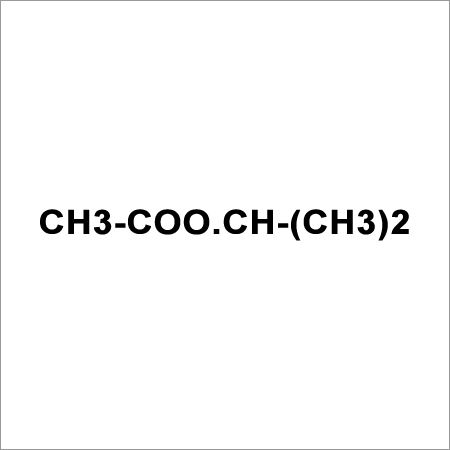
Isopropyl Acetate
Molecular Weight : 102.13 g/mol
Usage : Industrial Solvent
Raw Material : Isopropanol and Acetic Acid
EINECS No : 2035611
Refractive Rate : 1.387
Other Names : Isopropyl ethanoate
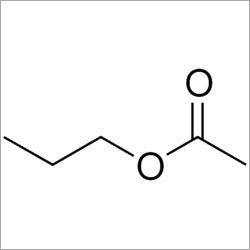
N Propyl Acetate
Molecular Weight : 102.13 g/mol
Usage : Used in fragrances and flavorings coatings inks and adhesives
Raw Material : Propanol and Acetic Acid
EINECS No : 2036861
Refractive Rate : 1.3930
Other Names : Propyl ethanoate

Ethyl Chloroacetate
Molecular Weight : 122.55 g/mol
Usage : Manufacture of pharmaceuticals, pesticides, herbicides, dyes, and perfumes
Raw Material : Chloroacetic acid, ethanol
EINECS No : 2032897
Refractive Rate : n20/D 1.422
Other Names : Ethyl monochloroacetate; Chloroacetic acid ethyl ester
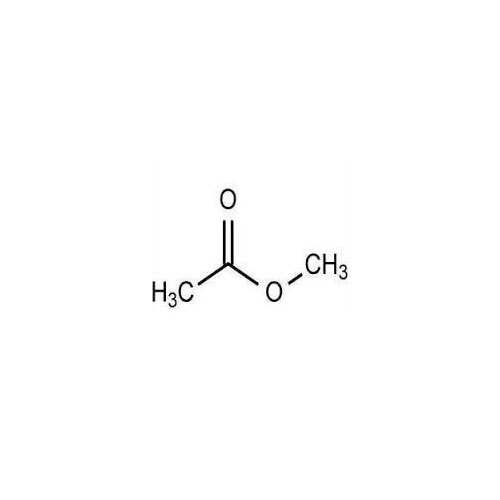
Methyl Acetate
Molecular Weight : 74.08 g/mol
Usage : Used as a solvent in paints, adhesives, coatings, and chemical synthesis
Raw Material : Acetic Acid, Methanol
EINECS No : 2011852
Refractive Rate : 1.361 (20C)
Other Names : Acetic acid methyl ester, Methyl ethanoate

Contact us

- Unit 1 :W-6, M.I.D.C., Chemical Zone, Ambernath (W), Ambernath - 421501, Maharashtra, India
- Phone : 08045479213
SONTARA ORGANO INDUSTRIES
GST : 27AAKFS5792F1ZP

- Mr. Mukesh B. Parekh (Partner)
- Mobile : 08045479213
- Send Inquiry
 Send Inquiry
 Send Inquiry
 Send SMS
SONTARA ORGANO INDUSTRIES
All Rights Reserved.(Terms of Use)
Developed and Managed by Infocom Network Private Limited.
Developed and Managed by Infocom Network Private Limited.


 English
 Spanish
 French
 German
 Italian
 Chinese (Simplified)
 Japanese
 Korean
 Arabic
 Portuguese