

 Send Inquiry
ETHYL OLEATE
ETHYL OLEATE Specification
- Taste
- Tasteless
- Structural Formula
- C18H34O2.C2H6O
- Refractive Rate
- 1.4501.453 (20C)
- HS Code
- 2916
- Boiling point
- 216-218C (15 mmHg)
- Molecular Formula
- C20H38O2
- Molecular Weight
- 310.51 g/mol
- Smell
- Odorless or faint fatty odor
- Classification
- Organic Acid
- Organic Acid Types
- Fatty Acid Ester
- Grade
- Pharma grade
- Purity
- 99%
- Application
- Pharmaceutical intermediates, solvent, lubricant
- Appearance
- Clear, pale yellow oily liquid
- CAS No
- 111-62-6
- EINECS No
- 204-049-1
- Other Names
- Oleic acid ethyl ester
- Usage
- Used in pharmaceutical, cosmetic, and food industries as an emulsifier or solvent
- Melting Point
- -32C
- Density
- 0.870 Gram per cubic centimeter(g/cm3)
- Solubility
- Insoluble in water, soluble in alcohol and ether
- Raw Material
- Oleic acid and Ethanol
- Vapor Pressure
- <0.01 mm Hg (20C)
- Flash Point
- > 110C
- Storage
- Store in a cool, dry place, tightly closed
- Packaging
- Drums, bulk, customized packing
- Stability
- Stable under recommended storage conditions
- Shelf Life
- 24 months in original unopened packaging
ETHYL OLEATE Trade Information
- Supply Ability
- 100 Per Month
- Delivery Time
- 7 Days
- Main Export Market(s)
- Asia, Australia, Central America, North America, South America, Eastern Europe, Western Europe, Middle East, Africa
ETHYL OLEATE About
| Name of Product | ETHYL OLEATE |
| CAS No | 111-62-6 |
| Formula | C20H38O2 |
| IUPAC Name | ethyl (Z)-octadec-9-enoate |
| InChI | InChI=1S/C20H38O2/c1-3-5-6-7-8-9-10-11-12-13-14-15-16-17-18-19-20(21)22-4-2/h11-12H,3-10,13-19H2,1-2H3/b12-11- |
| InChI Key | LVGKNOAMLMIIKO-QXMHVHEDSA-N |
| Canonical SMILES | CCCCCCCCC=CCCCCCCCC(=O)OCC |
| EC Number | 203-889-5 |
High Purity Fatty Acid Ester
With a purity of 99%, Ethyl Oleate stands out as a premium-grade fatty acid ester ideal for demanding applications. Its molecular properties ensure reliability and consistent performance, making it suitable for pharmaceutical, cosmetic, and food processing industries where quality and stability are paramount.
Versatile Industrial Applications
Used as an emulsifier, solvent, and lubricant, Ethyl Oleate finds a pivotal place in various sectors. Its role as a pharmaceutical intermediate accelerates drug formulation processes, while its non-reactive, clear oily nature allows seamless integration into cosmetics and food products without compromising safety.
Safe and Stable Storage
Ethyl Oleate maintains stability for up to 24 months when stored in a tightly closed container in a cool, dry location. Its flash point above 110C and low vapor pressure contribute to a safe handling profile, minimizing risks during storage, transportation, and everyday use.
FAQs of ETHYL OLEATE:
Q: What are the recommended storage conditions for Ethyl Oleate to ensure product stability?
A: Ethyl Oleate should be stored in a cool, dry place with the container tightly closed. These conditions help maintain its stability, ensuring optimal performance for up to 24 months in an unopened package.Q: How is Ethyl Oleate primarily used across various industries?
A: Ethyl Oleate serves as a pharmaceutical intermediate, solvent, and lubricant. It acts as an effective emulsifier in pharmaceutical formulations, cosmetics, and food products, enhancing product consistency and performance.Q: What is the typical packaging format for Ethyl Oleate?
A: Ethyl Oleate is available in drums, bulk quantities, and can be supplied in customized packaging to meet specific requirements of exporters, manufacturers, and suppliers.Q: What benefits does Ethyl Oleate offer for pharmaceutical applications?
A: Its high purity (99%) and stability make it an ideal excipient for drug formulations, facilitating solubility and emulsification without introducing taste or odor, which is essential for sensitive pharmaceutical products.Q: Is Ethyl Oleate water-soluble, and which solvents are compatible with it?
A: Ethyl Oleate is insoluble in water but dissolves readily in alcohol and ether, making it suitable for various formulations where specific solvent compatibility is required.Q: What is the process for manufacturing Ethyl Oleate?
A: Ethyl Oleate is synthesized by esterifying oleic acid with ethanol. This process is typically conducted under controlled conditions to achieve a high purity level that meets pharma-grade standards.Q: Where does Ethyl Oleate find its principal export markets and who supplies it?
A: Ethyl Oleate is exported globally, with manufacturers and suppliers based in India providing high-quality material to pharmaceutical, cosmetic, and food industries abroad.
Tell us about your requirement

Price:
Quantity
Select Unit
- 50
- 100
- 200
- 250
- 500
- 1000+
Additional detail
Mobile number
Email

More Products in Aliphatic Esters Category
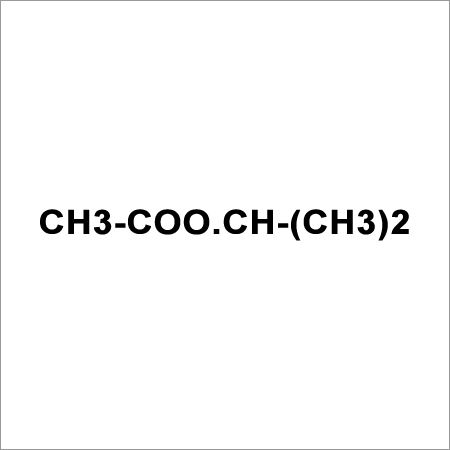
Isopropyl Acetate
Structural Formula : CH3COOCH(CH3)2
Molecular Formula : C5H10O2
Melting Point : 90C
Molecular Weight : 102.13 g/mol
Refractive Rate : 1.387
Other Names : Isopropyl ethanoate
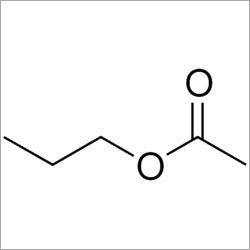
N Propyl Acetate
Structural Formula : CH3COOCH2CH2CH3
Molecular Formula : C5H10O2
Melting Point : 92C
Molecular Weight : 102.13 g/mol
Refractive Rate : 1.3930
Other Names : Propyl ethanoate
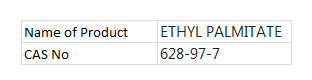
ETHYL PALMITATE
Structural Formula : CH3(CH2)14COOCH2CH3
Molecular Formula : C18H36O2
Melting Point : 1719C
Molecular Weight : 284.48 g/mol
Refractive Rate : 1.4341.438
Other Names : Hexadecanoic acid ethyl ester
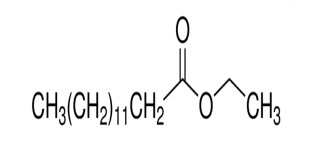
Ethyl myristate
Structural Formula : CH3(CH2)12COOCH2CH3
Molecular Formula : C16H32O2
Melting Point : 4C
Molecular Weight : 256.43 g/mol
Refractive Rate : 1.4321.436
Other Names : Myristic acid ethyl ester

Contact us

- Unit 1 :W-6, M.I.D.C., Chemical Zone, Ambernath (W), Ambernath - 421501, Maharashtra, India
- Phone : 08045479213
SONTARA ORGANO INDUSTRIES
GST : 27AAKFS5792F1ZP

- Mr. Mukesh B. Parekh (Partner)
- Mobile : 08045479213
- Send Inquiry
 Send Inquiry
 Send Inquiry
 Send SMS
 Call Me Free
SONTARA ORGANO INDUSTRIES
All Rights Reserved.(Terms of Use)
Developed and Managed by Infocom Network Private Limited.
Developed and Managed by Infocom Network Private Limited.


 English
 Spanish
 French
 German
 Italian
 Chinese (Simplified)
 Japanese
 Korean
 Arabic
 Portuguese