

 Send Inquiry
Isopropyl Acetate
Isopropyl Acetate Specification
- Structural Formula
- CH3COOCH(CH3)2
- Molecular Formula
- C5H10O2
- HS Code
- 29153990
- Taste
- Not for ingestion
- Molecular Weight
- 102.13 g/mol
- Boiling point
- 88°C
- Refractive Rate
- 1.387
- Smell
- Fruity, mild odour
- Classification
- Organic Solvent
- Organic Acid Types
- Ester
- Grade
- Industrial Grade
- Purity
- 99% Min
- Application
- Paints, Coatings, Inks, Adhesives, Extraction Solvent
- Appearance
- Clear, Colorless Liquid
- CAS No
- Standard: 108-21-4
- EINECS No
- 203-561-1
- Other Names
- Isopropyl ethanoate
- Usage
- Industrial Solvent
- Melting Point
- -90°C
- Density
- 0.870 Gram per cubic centimeter(g/cm3)
- Solubility
- Soluble in organic solvents; slightly soluble in water
- Raw Material
- Isopropanol and Acetic Acid
- Autoignition Temperature
- 446C
- Vapor Pressure
- 33 mm Hg at 20C
- Hazard Symbol
- Flammable
- Flash Point
- 13C (closed cup)
- Viscosity
- 0.65 mPas at 20C
- pH
- Neutral
- Storage Conditions
- Store in a cool, dry, well-ventilated area
- Water Content
- 0.05% Max
- Packaging
- Drums, ISO Tanks, Customized
- Stability
- Stable under recommended storage conditions
Isopropyl Acetate Trade Information
- Supply Ability
- 100 Per Month
- Delivery Time
- 7 Days
- Main Export Market(s)
- Asia, Australia, Central America, North America, South America, Eastern Europe, Western Europe, Middle East, Africa
Isopropyl Acetate About
Having experience of more than 4 decades, our firm has marked out a distinct position in allied domain as a trusted manufacturer, exporter and supplier of supreme quality Isopropyl Acetate . It is a colourless liquid having fruity odor. Widely used as solvent for cellulose, plastics, fats and oils, this chemical is used in perfumes and printing inks. It is formulated by our diligent professionals with the use of optimum quality chemical ingredients with the implication of advanced techniques. Apart from this, clients can purchase this Isopropyl Acetate at highly competitive rates from us.
Features:
-
Purity
-
Longer shelf life
-
Effectiveness
-
Precise pH value
Specifications:
|
Sr No |
|
|
A |
General information :
|
|
1 |
Structure : CH3-COO.CH-(CH3)2 |
|
2 |
Molecular formula : C5H10O2 |
|
3 |
Molecular weight : 102 |
|
4 |
Chemical name : Isopropyl acetate |
|
5 |
Density at 25oc : 0.872 gm/ml |
|
6 |
Boiling point : 89.8oc |
|
7 |
CAS no. : 108-21-4 |
|
|
|
|
B |
Specifications :
|
|
1 |
Description : Clear, colourless liquid |
|
2 |
Acidity : Not more than 0.1 % |
|
3 |
Moisture (KF) : Not more than 0.1 % |
|
4 |
Purity by GC : Not less than 99.0% |
Versatile Industrial Application
Isopropyl Acetate is widely utilized in the production of paints, coatings, inks, and adhesives. Its high purity and favorable solvent properties make it ideal for both extraction and formulation in multiple industries, ensuring consistent results and high-performance end products.
Safety and Storage Guidelines
Due to its flammable nature (flash point: 13C), Isopropyl Acetate must be stored in a cool, dry, well-ventilated area, away from ignition sources. The product remains stable under recommended conditions, and its packaging is designed for industrial handling and transport.
Exceptional Solvent Properties
This ester solvent displays excellent solubility in organic media and suitable volatility, supporting rapid drying and efficient processing. Its neutral pH, low water content (max. 0.05%), and mild odour make it a preferred choice for applications that demand purity and reliability.
FAQs of Isopropyl Acetate:
Q: How should Isopropyl Acetate be stored to maintain stability and safety?
A: Isopropyl Acetate should be stored in a cool, dry, well-ventilated area, away from direct sunlight and any sources of ignition. The product is stable under these recommended storage conditions, ensuring safe and effective use.Q: What are the main industrial applications of Isopropyl Acetate?
A: Isopropyl Acetate is primarily used as a solvent in paints, coatings, inks, adhesives, and as an extraction agent. Its efficiency in dissolving various compounds and rapid evaporation rate make it valuable across these sectors.Q: When is it necessary to use Isopropyl Acetate in manufacturing processes?
A: Isopropyl Acetate is selected in manufacturing whenever a fast-evaporating, high-purity organic solvent is needed, such as for blending resins in coatings or enhancing ink formulation performance.Q: Where does Isopropyl Acetate come from and how is it produced?
A: This solvent is produced by esterifying isopropanol with acetic acid, resulting in Isopropyl Acetatea process performed by manufacturers in India, with the product available for export and supply globally.Q: What benefits does Isopropyl Acetate offer over other solvents?
A: It provides fast evaporation, excellent solubility for organic substrates, low toxicity, a mild odour, and high purity, making it a superior choice for applications where quality and processing speed are vital.Q: How is Isopropyl Acetate typically packaged for distribution?
A: Isopropyl Acetate is supplied in industrial-grade drums, ISO tanks, and customized packaging options to suit specific logistic and storage requirements.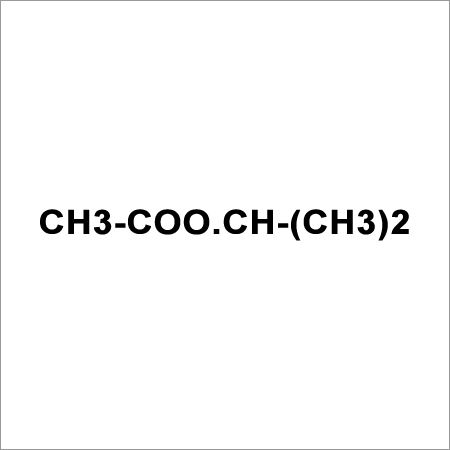
Tell us about your requirement

Price:
Quantity
Select Unit
- 50
- 100
- 200
- 250
- 500
- 1000+
Additional detail
Mobile number
Email

More Products in Aliphatic Esters Category
ETHYL OLEATE
Grade : Other, Pharma grade
Solubility : Insoluble in water, soluble in alcohol and ether
Density : 0.870 Gram per cubic centimeter(g/cm3)
EINECS No : 2040491
Molecular Weight : 310.51 g/mol
Refractive Rate : 1.4501.453 (20C)
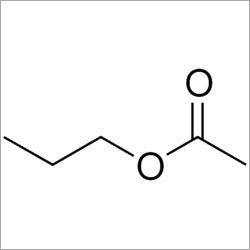
N Propyl Acetate
Grade : Industrial Grade
Solubility : Slightly soluble in water miscible with organic solvents
Density : 0.884 Gram per cubic centimeter(g/cm3)
EINECS No : 2036861
Molecular Weight : 102.13 g/mol
Refractive Rate : 1.3930
ETHYL PALMITATE
Grade : Other, Industrial / Food Grade
Solubility : Insoluble in water; soluble in alcohol, ether
Density : 0.857 Gram per cubic centimeter(g/cm3)
EINECS No : 2110483
Molecular Weight : 284.48 g/mol
Refractive Rate : 1.4341.438
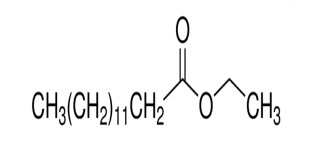
Ethyl myristate
Grade : Other, Cosmetic/Pharmaceutical Grade
Solubility : Insoluble in water, soluble in organic solvents
Density : 0.857 Gram per cubic centimeter(g/cm3)
EINECS No : 2046775
Molecular Weight : 256.43 g/mol
Refractive Rate : 1.4321.436

Contact us

- Unit 1 :W-6, M.I.D.C., Chemical Zone, Ambernath (W), Ambernath - 421501, Maharashtra, India
- Phone : 08045479213
SONTARA ORGANO INDUSTRIES
GST : 27AAKFS5792F1ZP

- Mr. Mukesh B. Parekh (Partner)
- Mobile : 08045479213
- Send Inquiry
 Send Inquiry
 Send Inquiry
 Send SMS
 Call Me Free
SONTARA ORGANO INDUSTRIES
All Rights Reserved.(Terms of Use)
Developed and Managed by Infocom Network Private Limited.
Developed and Managed by Infocom Network Private Limited.


 English
 Spanish
 French
 German
 Italian
 Chinese (Simplified)
 Japanese
 Korean
 Arabic
 Portuguese