

 Send Inquiry
Hbr Gas in Acetic Acid
MOQ : 1 Kilograms
Hbr Gas in Acetic Acid Specification
- HS Code
- 28111990
- Taste
- Not Determined
- Molecular Weight
- 80.91 (HBr only)
- Smell
- Pungent, acidic odor
- Boiling point
- ~124C (HBr aqueous solution)
- Molecular Formula
- HBr in Acetic Acid (mixture)
- Structural Formula
- HBr + CH3COOH
- Classification
- Inorganic Acid
- Inorganic Acid Types
- Hydrobromic Acid Solution
- Grade
- Technical, Laboratory Grade
- Purity
- 48% - 50%
- Application
- Used as a bromination agent and analytical reagent in organic synthesis
- Appearance
- Colorless to pale yellow transparent liquid
- CAS No
- 10035-10-6
- EINECS No
- 233-113-0
- Other Names
- Hydrobromic Acid in Acetic Acid
- Usage
- Laboratory reagent, synthesis of bromine compounds
- Melting Point
- -11C (for Hydrobromic Acid)
- Density
- 1.49 Gram per cubic centimeter(g/cm3)
- Solubility
- Miscible with water and alcohol
- Raw Material
- Hydrobromic Acid, Glacial Acetic Acid
- pH Value
- <1 (strongly acidic)
- Storage Conditions
- Store in tightly closed containers, at a cool and well-ventilated place away from direct sunlight
- Packaging Size
- Available in HDPE carboys, bottles, and tanks
- Hazard Class
- 8 (Corrosive substances)
- Manufacturing Process
- Direct absorption of HBr gas in glacial acetic acid
- Stability
- Stable under recommended storage conditions
- UN Number
- 1788
- Shelf Life
- 12 months from the manufacturing date
Hbr Gas in Acetic Acid Trade Information
- Minimum Order Quantity
- 1 Kilograms
- Supply Ability
- 100 Kilograms Per Month
- Delivery Time
- 7 Days
- Sample Available
- No
- Main Export Market(s)
- Asia, Australia, Central America, North America, South America, Eastern Europe, Western Europe, Middle East, Africa
Hbr Gas in Acetic Acid About
Capitalize on our HBr Gas in Acetic Acid, now offered at a reduced price with a special discount for bulk orders. This world-class reagent, prime for laboratory and industrial use, ensures radiant results in bromination and analytical synthesis. With a purity of 48%-50%, our product is manufactured by direct absorption of HBr gas in glacial acetic acid, guaranteeing exceptional stability and quality. Available in HDPE carboys, bottles, and tanks, its stable nature, robust density (1.49 g/cm3), and impressive solubility make it a professional choice for your research and manufacturing needs.
Commercial Uses and Application Surfaces of HBr Gas in Acetic Acid
HBr Gas in Acetic Acid is essential for bromination processes and serves as a reliable analytical reagent in organic synthesis. Commonly utilized in research laboratories, chemical manufacturing sites, and pharmaceutical environments, this solution finds its place in the synthesis of bromine compounds. Its application extends across glassware, reaction vessels, and appropriate containment surfaces where consistent reactivity and stability are vital for scientific and industrial advancements.
Sample Availability, Payment Process, and Premium Packaging Details
We provide HBr Gas in Acetic Acid samples to help you verify quality before placing a purchase order. Our flexible payment terms cater to your convenience, and the asking price reflects our commitment to delivering premium quality. Choose from a variety of packaging sizes, including HDPE carboys, bottles, or tanks, tailored to your project requirements. Each package ensures product integrity during transit, making us your trusted partner in chemical supply.
Commercial Uses and Application Surfaces of HBr Gas in Acetic Acid
HBr Gas in Acetic Acid is essential for bromination processes and serves as a reliable analytical reagent in organic synthesis. Commonly utilized in research laboratories, chemical manufacturing sites, and pharmaceutical environments, this solution finds its place in the synthesis of bromine compounds. Its application extends across glassware, reaction vessels, and appropriate containment surfaces where consistent reactivity and stability are vital for scientific and industrial advancements.
Sample Availability, Payment Process, and Premium Packaging Details
We provide HBr Gas in Acetic Acid samples to help you verify quality before placing a purchase order. Our flexible payment terms cater to your convenience, and the asking price reflects our commitment to delivering premium quality. Choose from a variety of packaging sizes, including HDPE carboys, bottles, or tanks, tailored to your project requirements. Each package ensures product integrity during transit, making us your trusted partner in chemical supply.
FAQ's of Hbr Gas in Acetic Acid:
Q: How should HBr Gas in Acetic Acid be stored for maximum stability?
A: For optimal stability, store HBr Gas in Acetic Acid in tightly closed containers, in a cool, well-ventilated area away from direct sunlight. This maintains its properties and extends its shelf life.Q: What are the common commercial uses of HBr Gas in Acetic Acid?
A: This product is widely used as a bromination agent and analytical reagent in organic synthesis, as well as in the preparation of various bromine compounds in research and industrial settings.Q: When is the best time to request a sample of HBr Gas in Acetic Acid?
A: You may request a product sample at any time before or alongside submitting your purchase order, allowing you to assess quality and suitability for your intended application.Q: Where can I use HBr Gas in Acetic Acid safely?
A: Use HBr Gas in Acetic Acid in compatible laboratory glassware or industrial reaction vessels, ensuring appropriate ventilation and protective measures due to its strong acidity and corrosive nature.Q: What is the manufacturing process for HBr Gas in Acetic Acid?
A: Our HBr Gas in Acetic Acid is produced by directly absorbing HBr gas into glacial acetic acid, ensuring high purity and consistent quality suitable for technical or laboratory use.Q: How does the discount apply on bulk purchases of HBr Gas in Acetic Acid?
A: We offer special price reductions for bulk orders. To capitalize on these discounts, simply mention your required quantity when submitting your order inquiry.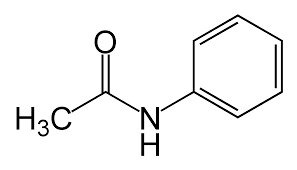
Tell us about your requirement

Price:
Quantity
Select Unit
- 50
- 100
- 200
- 250
- 500
- 1000+
Additional detail
Mobile number
Email

More Products in Aliphatic Bromide Category
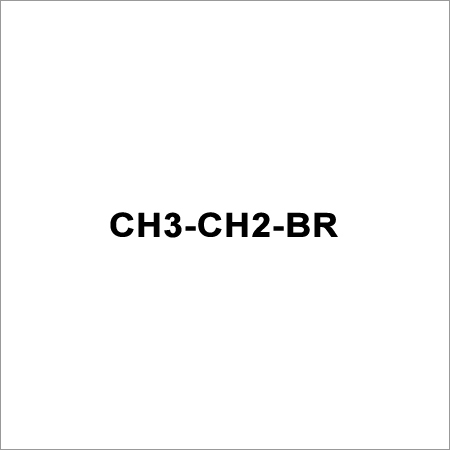
Ethyl Bromide
Minimum Order Quantity : 1 Kilograms
Smell : Other, Sweet, chloroformlike odor
Density : 1.46 Gram per cubic centimeter(g/cm3)
Grade : Other, Industrial, Laboratory
EINECS No : 2008258
Raw Material : Ethanol, Bromine
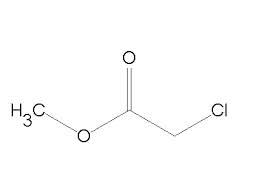
Methyle Chloro Acetate
Minimum Order Quantity : 1 Kilograms
Smell : Other, Characteristic pungent odor
Density : 1.214 Gram per cubic centimeter(g/cm3)
Grade : Industrialgrade, Other
EINECS No : 2025006
Raw Material : Acetic acid chlorine
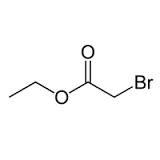
N- Pentyl Bromide
Minimum Order Quantity : 1 Kilograms
Smell : Other, Pungent odor
Density : 1.216 Gram per cubic centimeter(g/cm3)
Grade : Industrial Grade
EINECS No : 2038518
Raw Material : Pentane
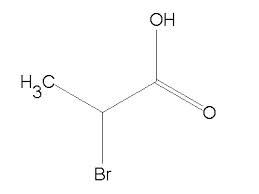
2-Bromopropane Acid
Minimum Order Quantity : 1 Kilograms
Smell : Other, Pungent odor
Density : 1.564 Gram per cubic centimeter(g/cm3)
Grade : Other, Analytical/Reagent Grade
EINECS No : 2099607
Raw Material : Derived from propanoic acid

Contact us

- Unit 1 :W-6, M.I.D.C., Chemical Zone, Ambernath (W), Ambernath - 421501, Maharashtra, India
- Phone : 08045479213
SONTARA ORGANO INDUSTRIES
GST : 27AAKFS5792F1ZP

- Mr. Mukesh B. Parekh (Partner)
- Mobile : 08045479213
- Send Inquiry
 Send Inquiry
 Send Inquiry
 Send SMS
 Call Me Free
SONTARA ORGANO INDUSTRIES
All Rights Reserved.(Terms of Use)
Developed and Managed by Infocom Network Private Limited.
Developed and Managed by Infocom Network Private Limited.


 English
 Spanish
 French
 German
 Italian
 Chinese (Simplified)
 Japanese
 Korean
 Arabic
 Portuguese