

 Send Inquiry
N- Pentyl Bromide
MOQ : 1 Kilograms
N- Pentyl Bromide Specification
- Taste
- Do not taste (hazardous substance)
- Boiling point
- 141-142 C
- Refractive Rate
- 1.440-1.443
- Molecular Formula
- C5H11Br
- Smell
- Pungent odor
- HS Code
- 29037190
- Molecular Weight
- 151.05 g/mol
- Structural Formula
- CH3(CH2)4Br
- Classification
- Organic halide
- Grade
- Industrial Grade
- Purity
- 99%
- Application
- Used in pharmaceutical synthesis agrochemical production and as an organic intermediate
- Appearance
- Colorless to light yellow liquid
- CAS No
- 111-24-0
- EINECS No
- 203-851-8
- Other Names
- 1-Bromopentane Pentyl bromide
- Usage
- Used as an intermediate in organic synthesis for pharmaceuticals and agrochemicals
- Melting Point
- -71 C
- Density
- 1.216 Gram per cubic centimeter(g/cm3)
- Solubility
- Insoluble in water soluble in organic solvents
- Raw Material
- Pentane
N- Pentyl Bromide Trade Information
- Minimum Order Quantity
- 1 Kilograms
- Supply Ability
- 100 Kilograms Per Month
- Delivery Time
- 7 Days
- Main Export Market(s)
- Asia, Australia, Central America, North America, South America, Eastern Europe, Western Europe, Middle East, Africa
N- Pentyl Bromide About
| Name of Product | N-Pentyl Bromide |
| CAS No | 110-53-2 |
| Formula | C5H11Br |
| IUPAC Name | 1-bromopentane |
| InChI | InChI=1S/C5H11Br/c1-2-3-4-5-6/h2-5H2,1H3 |
| InChI Key | YZWKKMVJZFACSU-UHFFFAOYSA-N |
| Canonical SMILES | CCCCCBr |
| EC Number | 203-776-0 |
| UN Number | 1993 |
| UNII | Z2S4R599P0 |
| Other name / synonyms | 1-BROMOPENTANE |
| n-Amyl bromide | |
| Pentyl bromide | |
| Amyl bromide | |
| Pentane, 1-bromo- | |
| 110-53-2 | |
| n-Pentyl bromide | |
| 1-Pentyl bromide | |
| Bromopentane | |
| 1-Bromo-pentane | |
| YZWKKMVJZFACSU-UHFFFAOYSA-N | |
| NSC 7895 | |
| EINECS 203-776-0 | |
| SBB059933 | |
| AI3-17813 | |
| 5BR | |
| amylbromide | |
| pentylbromide | |
| Bromoethylpropan | |
| n-Pentylbromide | |
| bromomethylbutane | |
| 1-Pentylbromide | |
| 1-bromo pentane | |
| Pentane, bromo- | |
| 1-bromanylpentane | |
| 1-bromo-n-pentane | |
| 1-Bromo-4 -methylbutane | |
| n-C5H11Br | |
| AC1Q27UC | |
| AC1Q2VM9 | |
| DSSTox_CID_28474 | |
| DSSTox_RID_83278 | |
| DSSTox_GSID_49203 | |
| SCHEMBL11305 | |
| KSC191C1L | |
| UNII-Z2S4R599P0 | |
| ACMC-20996b | |
| 117811_ALDRICH | |
| AC1L1Q60 | |
| CHEMBL155850 | |
| 17920_FLUKA | |
| CTK0J1115 | |
| NSC7895 | |
| MolPort-001-768-933 | |
| Z2S4R599P0 | |
| NSC-7895 | |
| Tox21_202717 | |
| ANW-16161 | |
| AR-1C2047 | |
| STL280346 | |
| ZINC01586300 | |
| AKOS000118764 | |
| MCULE-8513521912 | |
| RP21432 | |
| RTR-002164 | |
| TRA0060989 | |
| NCGC00260265-01 | |
| AN-22610 | |
| CAS-110-53-2 | |
| CJ-25221 | |
| KB-11813 | |
| SC-16107 | |
| LS-101546 | |
| TR-002164 | |
| B0628 | |
| FT-0607542 | |
| ST51046200 | |
| 61484-EP2289965A1 | |
| 61484-EP2298828A1 | |
| 61484-EP2308848A1 | |
| A802210 | |
| 3B4-0637 | |
| I14-0244 | |
| InChI=1/C5H11Br/c1-2-3-4-5-6/h2-5H2,1H | |
| 29756-38-5 | |
High Performance Organic Intermediate
N-Pentyl Bromide acts as a crucial organic intermediate for synthesizing pharmaceuticals and agrochemicals. Its reliability in diverse chemical reactions, alongside its high purity and consistent quality, makes it an essential component for industrial operations. This compound's role in boosting efficiency during synthesis processes underpins its broad application and growing demand across chemical sectors.
Physicochemical Properties
As a colorless to pale yellow liquid, N-Pentyl Bromide has a molecular weight of 151.05 g/mol and a density of 1.216 g/cm3. With a notable boiling range of 141-142C and a refractive index between 1.440 and 1.443, it is highly compatible with organic solvents but insoluble in water. This specificity aids targeted reactions, providing control and precision for professional chemists.
FAQ's of N- Pentyl Bromide:
Q: How is N-Pentyl Bromide typically used in industry?
A: N-Pentyl Bromide is primarily utilized as an organic intermediate in pharmaceutical synthesis and agrochemical production. Its reactivity enables the formulation of more complex molecules essential for creating medications and crop protection products.Q: What are the solubility characteristics of N-Pentyl Bromide?
A: This compound is insoluble in water yet dissolves efficiently in various organic solvents, which supports its application in numerous organic synthesis reactions within laboratory and industrial settings.Q: When should proper safety measures be implemented when handling N-Pentyl Bromide?
A: Appropriate safety protocols should always be in place when dealing with N-Pentyl Bromide due to its pungent odor and hazardous nature. It should never be tasted, and adequate ventilation, protective gear, and careful storage are essential at all stages.Q: Where is N-Pentyl Bromide commonly sourced from?
A: N-Pentyl Bromide is commonly produced and supplied by exporters, manufacturers, and suppliers in India, where it is available as an industrial grade product for various commercial applications.Q: What process is involved in the production of N-Pentyl Bromide?
A: N-Pentyl Bromide is synthesized using pentane as its raw material through bromination, following stringent industrial standards to ensure high purity and performance in downstream applications.Q: What benefits does N-Pentyl Bromide offer in organic synthesis?
A: N-Pentyl Bromide's high purity, distinctive physical properties, and efficient reactivity make it highly valuable for yielding consistent results and facilitating the creation of fine chemicals in pharmaceuticals and agrochemicals.
Tell us about your requirement

Price:
Quantity
Select Unit
- 50
- 100
- 200
- 250
- 500
- 1000+
Additional detail
Mobile number
Email

More Products in Aliphatic Bromide Category

2-Bromopropionic Acid C3H5BrO2
Minimum Order Quantity : 1 Kilograms
Application : Used in organic synthesis and pharmaceutical intermediates
Usage : Pharmaceuticals agrochemicals and chemical reactions
Solubility : Soluble in water ethanol and ether
Smell : Other, Acrid
Molecular Weight : 152.98 g/mol
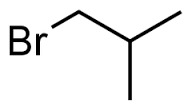
Isobutyl Bromide
Minimum Order Quantity : 1 Kilograms
Application : Intermediate in organic synthesis, pharmaceuticals, agrochemicals
Usage : Organic synthesis, pharmaceutical intermediate, laboratory reagent
Solubility : Insoluble in water, soluble in ether and alcohol
Smell : Other, Irritating, characteristic odor
Molecular Weight : 137.02 g/mol
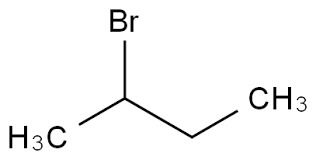
N- Butyl Bromide
Minimum Order Quantity : 1 Kilograms
Application : Pharmaceutical Intermediates, Organic Synthesis, Solvent
Usage : Used as alkylating agent, flavor intermediate, laboratory reagent
Solubility : Immiscible with water; soluble in ethanol and ether
Smell : Other, Sweet, Etherlike Odor
Molecular Weight : 137.02 g/mol
Methyl 3 -Oxopentanoate
Minimum Order Quantity : 1 Kilograms
Application : Used as intermediates in organic synthesis and pharmaceuticals
Usage : Organic synthesis and fine chemistry applications
Solubility : Soluble in ethanol ether and chloroform
Smell : Other, Fruity odor
Molecular Weight : 130.14 g/mol

Contact us

- Unit 1 :W-6, M.I.D.C., Chemical Zone, Ambernath (W), Ambernath - 421501, Maharashtra, India
- Phone : 08045479213
SONTARA ORGANO INDUSTRIES
GST : 27AAKFS5792F1ZP

- Mr. Mukesh B. Parekh (Partner)
- Mobile : 08045479213
- Send Inquiry
 Send Inquiry
 Send Inquiry
 Send SMS
 Call Me Free
SONTARA ORGANO INDUSTRIES
All Rights Reserved.(Terms of Use)
Developed and Managed by Infocom Network Private Limited.
Developed and Managed by Infocom Network Private Limited.


 English
 Spanish
 French
 German
 Italian
 Chinese (Simplified)
 Japanese
 Korean
 Arabic
 Portuguese