

 Send Inquiry
Methyl Acetate 99%
MOQ : 1 Kilograms
Methyl Acetate 99% Specification
- Molecular Weight
- 74.08 g/mol
- Refractive Rate
- 1.361 at 20C
- Molecular Formula
- C3H6O2
- HS Code
- 2915 31 00
- Boiling point
- 56.9 C
- Smell
- Pleasant, Fruity Odor
- Taste
- Sweet, Fruity
- Structural Formula
- CH3COOCH3
- Grade
- Industrial Grade
- Purity
- 99%
- Application
- Industrial Solvent, Paints & Coatings, Adhesives, Inks
- Appearance
- Clear, Colorless Liquid
- CAS No
- 79-20-9
- EINECS No
- 201-185-2
- Other Names
- Acetic Acid Methyl Ester; Methyl Ethanoate
- Usage
- Used as a fast-evaporating solvent
- Melting Point
- 98 C
- Density
- 0.93 Gram per cubic centimeter(g/cm3)
- Solubility
- Soluble in water (25 g/L at 20C); miscible with most organic solvents
- Raw Material
- Methanol and Acetic Acid
- Vapour Pressure
- 24.9 kPa at 20C
- Hazard Class
- Flammable Liquid (Class 3)
- Flash Point
- -10 C (Closed Cup)
- Shelf Life
- 2 Years
- Stability
- Stable under recommended storage conditions
- UN Number
- 1231
- Viscosity
- 0.37 mPas at 25C
- Storage
- Store in cool, dry, well-ventilated area away from heat and ignition sources
- pH
- Not applicable (neutral ester)
- Packing
- 200 Litre Drum / IBC Tank
- Autoignition Temperature
- 454 C
Methyl Acetate 99% Trade Information
- Minimum Order Quantity
- 1 Kilograms
- Supply Ability
- 100 Kilograms Per Month
- Delivery Time
- 7 Days
- Main Export Market(s)
- Asia, Australia, Central America, North America, South America, Eastern Europe, Western Europe, Middle East, Africa
Methyl Acetate 99% About
| Name of Product | Methyl Acetate 99% | IUPAC Name | methyl acetate |
| CAS No | 79-20-9 | InChI | InChI=1S/C3H6O2/c1-3(4)5-2/h1-2H3 |
| Formula | CH3COOCH3. | InChI Key | KXKVLQRXCPHEJC-UHFFFAOYSA-N |
| Other name / synonyms | METHYL ACETATE | Canonical SMILES | CC(=O)OC |
|
|
79-20-9 | CAS | 79-20-9 |
|
|
Devoton | EC Number | 201-185-2 |
|
|
Tereton | ICSC Number | 507 |
|
|
Methyl ethanoate | RTECS Number | AI9100000 |
|
|
Acetic acid, methyl ester | UN Number | 1231 |
|
|
Methylacetat | NII | W684QT396F |
|
|
Acetate de methyle | Wikipedia | Methyl acetate |
|
|
Acetic acid methyl ester |
|
|
|
|
Methyl acetic ester | Description | Clear, colourless liquid |
|
|
Methylacetaat | Acidity | Not more than 0.5 % |
|
|
Metile (acetato di) | Moisture (KF) | Not more than 0.5 % |
|
|
Methyle (acetate de) | Purity by GC | Not less than 99.0% |
|
|
Octan metylu |
|
|
|
|
Methylester kiseliny octove |
|
|
|
|
Ethyl ester of monoacetic acid |
|
|
|
|
Methylacetaat [Dutch] |
|
|
|
|
Methylacetat [German] |
|
|
|
|
Octan metylu [Polish] |
|
|
|
|
CH3COOCH3 |
|
|
|
|
FEMA Number 2676 |
|
|
|
|
Methyl acetate (natural) |
|
|
|
|
NSC 405071 |
|
|
|
|
Acetate de methyle [French] |
|
|
|
|
HSDB 95 |
|
|
|
|
UNII-W684QT396F |
|
|
|
|
FEMA No. 2676 |
|
|
|
|
CCRIS 5846 |
|
|
|
|
Methyle (acetate de) [French] |
|
|
|
|
Metile (acetato di) [Italian] |
|
|
|
|
CHEBI:77700 |
|
|
|
|
KXKVLQRXCPHEJC-UHFFFAOYSA-N |
|
|
|
|
Methylester kiseliny octove [Czech] |
|
|
|
|
EINECS 201-185-2 |
|
|
|
|
UN1231 |
|
|
|
|
NCGC00090940-01 |
|
|
|
|
DSSTox_CID_1767 |
|
|
|
|
DSSTox_RID_76314 |
|
|
|
|
DSSTox_GSID_21767 |
|
|
|
|
CAS-79-20-9 |
|
|
|
|
AcOMe |
|
|
|
|
MeOAc |
|
|
|
|
1-Methyl acetate |
|
|
|
|
METHYL-ACETATE |
|
|
|
|
ACMC-209tiz |
|
|
|
|
AC1L1MUS |
|
|
|
|
CH3CO2CH3 |
|
|
|
|
Methyl ester of acetic acid |
|
|
|
|
KSC378E1T |
|
|
|
|
WLN: 1VO1 |
|
|
|
|
CHEMBL14079 |
|
|
|
|
W267600_ALDRICH |
|
|
|
|
W267619_ALDRICH |
|
|
|
|
METHYL ACETATE, 97% |
|
|
|
|
186325_ALDRICH |
|
|
|
|
296996_ALDRICH |
|
|
|
|
AC1Q44F6 |
|
|
|
|
ACETIC ACID,METHYL ESTER |
|
|
|
|
45997_FLUKA |
|
|
|
|
45998_FLUKA |
|
|
|
|
45999_FLUKA |
|
|
|
|
CTK2H8219 |
|
|
|
|
MolPort-001-783-796 |
|
|
|
|
45999_SIAL |
|
|
|
|
W684QT396F |
|
|
|
|
186325_SIAL |
|
|
|
|
296996_SIAL |
|
|
|
|
Tox21_113243 |
|
|
|
|
Tox21_200057 |
|
|
|
|
ANW-42537 |
|
|
|
|
NSC405071 |
|
|
|
|
STL281977 |
|
|
|
|
ZINC01597766 |
|
|
|
|
AKOS000120042 |
|
|
|
|
LS-1774 |
|
|
|
|
MCULE-7368066093 |
|
|
|
|
NSC-405071 |
|
|
|
|
RL05058 |
|
|
|
|
RTR-037852 |
|
|
|
|
TRA0094982 |
|
|
|
|
UN 1231 |
|
|
|
|
NCGC00090940-02 |
|
|
|
|
NCGC00257611-01 |
|
|
|
|
AN-23982 |
|
|
|
|
CJ-25643 |
|
|
|
|
KB-54707 |
|
|
|
|
TR-037852 |
|
|
|
|
FT-0600347 |
|
|
|
|
FT-0621748 |
|
|
|
|
LT00785639 |
|
|
|
|
S0300 |
|
|
|
|
Z1774 |
|
|
|
|
Methyl acetate [UN1231] [Flammable liquid] |
|
|
|
|
7727-EP2269975A2 |
|
|
|
|
7727-EP2269986A1 |
|
|
|
|
7727-EP2269997A2 |
|
|
|
|
7727-EP2272822A1 |
|
|
|
|
7727-EP2275407A1 |
|
|
|
|
7727-EP2275415A2 |
|
|
|
|
7727-EP2280001A1 |
|
|
|
|
7727-EP2281821A1 |
|
|
|
|
7727-EP2284169A1 |
|
|
|
|
7727-EP2284174A1 |
|
|
|
|
7727-EP2287152A2 |
|
|
|
|
7727-EP2287161A1 |
|
|
|
|
7727-EP2287162A1 |
|
|
|
|
7727-EP2289509A2 |
|
|
|
|
7727-EP2292597A1 |
|
|
|
|
7727-EP2292609A1 |
|
|
|
|
7727-EP2295406A1 |
|
|
|
|
7727-EP2298750A1 |
|
|
|
|
7727-EP2298756A1 |
|
|
|
|
7727-EP2305642A2 |
|
|
|
|
7727-EP2305666A1 |
|
|
|
|
7727-EP2305667A2 |
|
|
|
|
7727-EP2305683A1 |
|
|
|
|
7727-EP2305825A1 |
|
|
|
|
7727-EP2308857A1 |
|
|
|
|
7727-EP2308864A1 |
|
|
|
|
7727-EP2311839A1 |
|
|
|
|
7727-EP2314589A1 |
|
|
|
|
7727-EP2316837A1 |
|
|
|
|
7727-EP2380568A1 |
|
|
|
|
C17530 |
|
|
|
|
Methyl acetate [UN1231] [Flammable liquid] |
|
|
|
|
InChI=1/C3H6O2/c1-3(4)5-2/h1-2H |
|
|
|
|
A839618 |
|
|
|
|
3B4-0094 |
|
|
|
|
I14-2599 |
|
|
|
|
LS-88071 |
|
|
|
|
S261 |
|
|
|
|
CAS-10377-48-7 |
|
|
|
|
RT-001069 |
|
|
|
|
D08137 |
|
|
|
|
|
|
|
Efficient and Fast-Evaporating Solvent
Methyl Acetate 99% features a low boiling point of 56.9C and a high vapor pressure, making it ideal for applications requiring fast drying. Its solubility in water (25 g/L at 20C) and miscibility with many organic solvents allow for versatile formulation, particularly in the manufacturing of coatings, adhesives, and inks.
Safe Storage and Handling Guidelines
As a flammable liquid (Hazard Class 3, UN 1231), Methyl Acetate must be stored in cool, dry, and well-ventilated conditions, away from heat or ignition sources. Following these guidelines preserves both its stability and effectiveness, and complies with regulatory requirements, while minimizing risks during storage and use.
Applications Across Diverse Industries
This solvents rapid evaporation and neutrality make it an invaluable ingredient in a variety of industries. Its primary uses span industrial solvents, paints, coatings, adhesives, and inks, where it enhances application efficiency and finish aesthetics thanks to its unique physical and chemical properties.
FAQs of Methyl Acetate 99
Q: How should Methyl Acetate 99% be stored to maintain its stability and shelf life?
A: Store Methyl Acetate 99% in a cool, dry, well-ventilated area, away from heat, sparks, and open flames. Use tightly sealed containers such as 200-litre drums or IBC tanks and avoid exposure to direct sunlight. Proper storage under recommended conditions preserves stability and ensures a shelf life of up to two years.Q: What are the primary industrial applications of Methyl Acetate 99%?
A: Methyl Acetate 99% is primarily used as a fast-evaporating solvent in the manufacturing of paints, coatings, adhesives, and inks. Its rapid drying properties enhance efficiency and surface finish, making it a preferred choice in the chemical and surface treatment industries.Q: When should Methyl Acetate be handled with extra caution?
A: Due to its low flash point (10C) and high vapor pressure, extra caution is needed whenever handling Methyl Acetate near ignition sources or at elevated temperatures. Always use suitable protective equipment and ensure the area is well-ventilated to avoid flammable vapor accumulation.Q: Where is Methyl Acetate 99% commonly used?
A: Methyl Acetate is widely utilized in industrial environments across India and globally. Paint manufacturers, adhesive producers, and printing ink formulators commonly use this solvent due to its effective solubilizing and fast evaporation features.Q: What benefits does using Methyl Acetate 99% offer over other solvents?
A: Methyl Acetate 99% provides quick evaporation, low viscosity, and excellent solubility, leading to rapid drying times and improved productivity. Its pleasant odor and minimal toxicity make it a safer alternative in many formulations, while its high purity and stability ensure consistent performance.Q: How is Methyl Acetate industrially produced?
A: Methyl Acetate is produced by the esterification of methanol and acetic acid, resulting in a neutral ester (pH not applicable) classified as a carboxylic acid ester under organic chemicals.Q: What process should be followed in case of a Methyl Acetate spill?
A: In the event of a spill, eliminate all ignition sources and ventilate the area. Absorb the spill with a non-combustible material such as sand, then collect it in a suitable container for disposal. Follow all local regulations for flammable liquids when handling spills.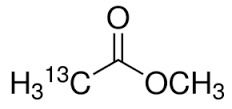
Tell us about your requirement

Price:
Quantity
Select Unit
- 50
- 100
- 200
- 250
- 500
- 1000+
Additional detail
Mobile number
Email

More Products in Aliphatic Bromide Category
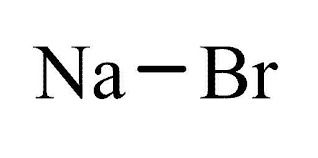
Sodium Bromide
Minimum Order Quantity : 1 Kilograms
Melting Point : 755C
EINECS No : 2315999
Grade : Other, Industrial, Analytical
Molecular Weight : 102.89 g/mol
HS Code : 28275100
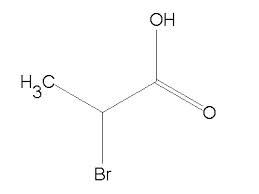
2-Bromopropane Acid
Minimum Order Quantity : 1 Kilograms
Melting Point : 4 C
EINECS No : 2099607
Grade : Other, Analytical/Reagent Grade
Molecular Weight : 152.98 g/mol
HS Code : 29159090
N- Butyl Bromide
Minimum Order Quantity : 1 Kilograms
Melting Point : 112 C
EINECS No : 2036898
Grade : Industrial Grade
Molecular Weight : 137.02 g/mol
HS Code : 29035990
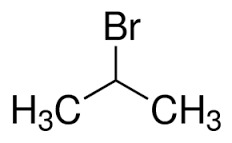
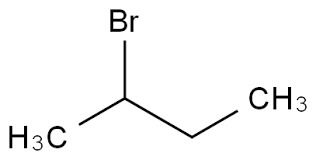
Isoporpyle Bromide
Minimum Order Quantity : 1 Kilograms
Melting Point : 89C
EINECS No : 2035267
Grade : Industrial Grade
Molecular Weight : 122.99 g/mol
HS Code : 29036910

Contact us

- Unit 1 :W-6, M.I.D.C., Chemical Zone, Ambernath (W), Ambernath - 421501, Maharashtra, India
- Phone : 08045479213
SONTARA ORGANO INDUSTRIES
GST : 27AAKFS5792F1ZP

- Mr. Mukesh B. Parekh (Partner)
- Mobile : 08045479213
- Send Inquiry
 Send Inquiry
 Send Inquiry
 Send SMS
SONTARA ORGANO INDUSTRIES
All Rights Reserved.(Terms of Use)
Developed and Managed by Infocom Network Private Limited.
Developed and Managed by Infocom Network Private Limited.


 English
 Spanish
 French
 German
 Italian
 Chinese (Simplified)
 Japanese
 Korean
 Arabic
 Portuguese