

 Send Inquiry
n-Octyl Bromide
MOQ : 1 Kilograms
n-Octyl Bromide Specification
- Molecular Formula
- C8H17Br
- Smell
- Characteristic
- Molecular Weight
- 193.12 g/mol
- HS Code
- 29036910
- Structural Formula
- CH3(CH2)7Br
- Refractive Rate
- n20/D 1.449
- Boiling point
- 210°C
- Classification
- Alkyl Halide
- Grade
- Industrial / Laboratory
- Purity
- 98% min
- Application
- Pharmaceutical intermediates, organic synthesis, surfactant, specialty chemicals
- Appearance
- Colorless to pale yellow liquid
- CAS No
- 111-83-1
- EINECS No
- 203-909-6
- Other Names
- 1-Bromooctane, Octyl bromide
- Usage
- Intermediate for synthesis of chemicals
- Melting Point
- -62°C
- Density
- 1.199 Gram per cubic centimeter(g/cm3)
- Solubility
- Insoluble in water, soluble in organic solvents
- Raw Material
- n-Octanol
- UN Number
- UN 2366
- Storage Conditions
- Store in tightly closed containers, in cool, dry, and well-ventilated area
- Autoignition Temperature
- Not readily available
- Ecological Information
- Hazardous to aquatic life
- Stability
- Stable under recommended storage conditions
- Acidity
- Neutral
- Flash Point
- 89C
- Packaging
- HDPE or glass bottles, as per requirement
- Viscosity
- 4.55 cP at 25C
- Assay
- By GC or titration, purity >98%
- Vapor Pressure
- 0.24 mmHg at 25C
- Hazard Class
- Harmful if inhaled or ingested
n-Octyl Bromide Trade Information
- Minimum Order Quantity
- 1 Kilograms
- Supply Ability
- 100 Kilograms Per Month
- Delivery Time
- 7 Days
- Main Export Market(s)
- Asia, Australia, Central America, North America, South America, Eastern Europe, Western Europe, Middle East, Africa
n-Octyl Bromide About
Since 1971, we have been known as a trustworthy manufacturer, exporter and supplier of n-Octyl Bromide. This chemical is highly demanded in laboratories for synthesis process. Also used as a catalyst, it is highly effective reagent in certain chemical equations. Our seasoned pharmacists formulate this chemical with the use of top-notch quality chemical ingredients after implication of sophisticated methods. Besides, clients can purchase this n-Octyl Bromide at a pocket friendly price from us.
Features:
-
Accurate composition and purity
-
Precise pH value
-
Longer shelf life
-
Correct formulation
Specifications:
|
Sr No |
|
|
A |
General information : |
|
1 |
Structure : CH3.(CH2)7.Br |
|
2 |
Molecular formula : C8H17Br |
|
3 |
Molecular weight : 193 |
|
4 |
Chemical name : 1-Bromo octane ; n-octyl bromide |
|
5 |
Density at 25oc : 1.118 g / ml |
|
6 |
Boiling point : 201oc |
|
7 |
CAS no. : 111-83-1 |
|
|
|
|
B |
Specifications : |
|
1 |
Description : Clear, colourless liquid with characteristic odour. |
|
2 |
Water : Not more than 0.3 % |
|
3 |
Acidity : Not more than 0.1 % |
|
4 |
Purity by GC : Not less than 98.0% |
Essential Safety and Storage Information
n-Octyl Bromide must be stored in tightly sealed containers, placed in a cool, dry, and well-ventilated environment to preserve its stability. Due to its flash point of 89C and classification as harmful if inhaled or ingested, proper safety measuressuch as utilizing protective equipment and ensuring adequate ventilationare crucial. Packaging is typically done in HDPE or glass bottles, tailored to your requirements.
Chemical Properties and Applications
This compound exhibits a boiling point of 210C and a viscosity of 4.55 cP at 25C. It is insoluble in water but readily dissolves in organic solvents, making it versatile for chemical syntheses. n-Octyl Bromides primary uses encompass serving as a pharmaceutical intermediate, surfactant, and specialty chemical additive, underlining its significance across various industries.
Environmental Impact and Handling Precautions
n-Octyl Bromide poses hazards to aquatic life, necessitating responsible handling and disposal practices. Always minimize release into the environment, and adhere to guidelines for hazardous chemical management. The chemicals stability is optimal when handled and stored according to recommended protocols, ensuring both user safety and environmental protection.
FAQs of n-Octyl Bromide:
Q: How should n-Octyl Bromide be properly stored to maintain its stability?
A: n-Octyl Bromide should be kept in tightly closed HDPE or glass bottles in a cool, dry, and well-ventilated area. These conditions help preserve the products stability and prevent decomposition or hazardous situations.Q: What are the main industrial applications of n-Octyl Bromide?
A: n-Octyl Bromide is widely used as an intermediate in pharmaceutical manufacturing, in organic synthesis, and as a component in surfactants and specialty chemicals due to its chemical properties and reactivity.Q: When should safety precautions be taken during the usage of n-Octyl Bromide?
A: Safety precautions, such as using proper personal protective equipment and working in ventilated areas, should always be followed when handling n-Octyl Bromide. This is because the substance is harmful if inhaled or ingested and can be hazardous to aquatic life.Q: Where can n-Octyl Bromide be sourced from, and what packaging options are available?
A: n-Octyl Bromide can be acquired from industrial chemical suppliers, exporters, and manufacturers, especially in India. Packaging is typically in HDPE or glass bottles, depending on the specific requirements.Q: What testing processes are used to determine the purity of n-Octyl Bromide?
A: The purity of n-Octyl Bromide, which is above 98%, is determined via Gas Chromatography (GC) or titration techniques, ensuring that the product meets stringent industry standards.Q: How does n-Octyl Bromide benefit chemical synthesis processes?
A: The compounds high purity, chemical stability, and solubility in organic solvents enhance its effectiveness as a reagent or intermediate, improving yields and efficiency in various organic synthesis and industrial processes.Q: What ecological precautions should be observed when handling or disposing of n-Octyl Bromide?
A: n-Octyl Bromide is hazardous to aquatic life, so its important to prevent its release into the environment. Follow all local regulations for hazardous waste disposal, and avoid contaminating soil, drains, or water sources.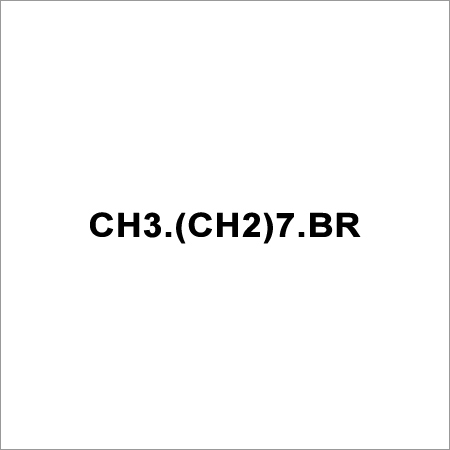
Tell us about your requirement

Price:
Quantity
Select Unit
- 50
- 100
- 200
- 250
- 500
- 1000+
Additional detail
Mobile number
Email

More Products in Aliphatic Bromide Category
Hydrobromic acid (33% in acetic acid)
Minimum Order Quantity : 1 Kilograms
HS Code : 28111990
Molecular Weight : Approx. 94.45 (HBr); 60.05 (Acetic Acid)
Usage : Used as a brominating agent in organic reactions; pharmaceutical intermediate
Grade : Other, Laboratory/Reagent Grade
Raw Material : Hydrobromic Acid, Acetic Acid
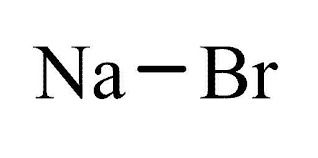
Sodium Bromide
Minimum Order Quantity : 1 Kilograms
HS Code : 28275100
Molecular Weight : 102.89 g/mol
Usage : Used as a source of bromide ion, for preparing other bromides, as a sedative, photography, and in water treatment
Grade : Other, Industrial, Analytical
Raw Material : Bromine, Sodium carbonate, Sodium hydroxide
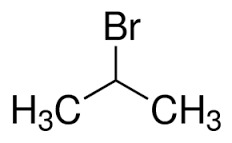
Isoporpyle Bromide
Minimum Order Quantity : 1 Kilograms
HS Code : 29036910
Molecular Weight : 122.99 g/mol
Usage : Used in synthesis of pharmaceuticals, agrochemicals, dyestuffs, and other organic compounds
Grade : Industrial Grade
Raw Material : Isopropyl Alcohol, Hydrobromic Acid
Methyl 3 -Oxopentanoate
Minimum Order Quantity : 1 Kilograms
HS Code : 29183000
Molecular Weight : 130.14 g/mol
Usage : Organic synthesis and fine chemistry applications
Grade : Industrial Grade
Raw Material : Derived from acetoacetic acid and methanol

Contact us

- Unit 1 :W-6, M.I.D.C., Chemical Zone, Ambernath (W), Ambernath - 421501, Maharashtra, India
- Phone : 08045479213
SONTARA ORGANO INDUSTRIES
GST : 27AAKFS5792F1ZP

- Mr. Mukesh B. Parekh (Partner)
- Mobile : 08045479213
- Send Inquiry
 Send Inquiry
 Send Inquiry
 Send SMS
 Call Me Free
SONTARA ORGANO INDUSTRIES
All Rights Reserved.(Terms of Use)
Developed and Managed by Infocom Network Private Limited.
Developed and Managed by Infocom Network Private Limited.


 English
 Spanish
 French
 German
 Italian
 Chinese (Simplified)
 Japanese
 Korean
 Arabic
 Portuguese