

 Send Inquiry
4-Phenyl butyl bromide
MOQ : 1 Kilograms
4-Phenyl butyl bromide Specification
- Structural Formula
- C6H5-(CH2)3-Br
- Molecular Weight
- 213.12 g/mol
- HS Code
- 2903.39.90
- Boiling point
- 237C
- Refractive Rate
- 1.5322
- Smell
- Characteristic brominated odor
- Molecular Formula
- C10H13Br
- Grade
- Reagent Grade
- Purity
- Typically 98%
- Application
- Used as a reagent in organic synthesis
- Appearance
- Colorless liquid
- CAS No
- 4286-55-9
- EINECS No
- 224-295-8
- Other Names
- 1-Bromo-4-phenylbutane
- Usage
- Organic synthesis intermediate in pharmaceutical and agrochemical production.
- Melting Point
- -20C
- Density
- 1.263 Gram per cubic centimeter(g/cm3)
- Solubility
- Insoluble in water soluble in organic solvents like ethanol and acetone
- Raw Material
- Phenyl butane and bromine derivatives
4-Phenyl butyl bromide Trade Information
- Minimum Order Quantity
- 1 Kilograms
- Supply Ability
- 100 Kilograms Per Month
- Delivery Time
- 7 Days
- Main Export Market(s)
- Asia, Australia, Central America, North America, South America, Eastern Europe, Western Europe, Middle East, Africa
4-Phenyl butyl bromide About
CAS no. : 13633-25-5
|
Structure : C10H10Br |
|
Molecular formula : C10H13Br |
|
Molecular weight : 213.11 |
|
Chemical name : 4-Phenyl butyl bromide |
Synonyms
(4-Bromobutyl)benzene,
4-Phenylbutyl bromide
Versatile Organic Synthesis Intermediate
4-Phenyl butyl bromide serves as a crucial intermediate in organic synthesis, especially within pharmaceutical and agrochemical industries. Its unique structural features as an alkyl halide facilitate a wide range of chemical transformations, making it essential for creating complex molecules and specialty compounds.
Physicochemical Properties
This compound features a boiling point of 237C, density of 1.263 g/cm3, and a refractive rate of 1.5322. Presented as a colorless liquid with a characteristic odor, it is insoluble in water but readily soluble in organic solvents, broadening its applicability in laboratory and industrial processes.
FAQs of 4-Phenyl butyl bromide:
Q: How is 4-Phenyl butyl bromide typically used in organic synthesis?
A: 4-Phenyl butyl bromide acts as an alkylating agent and building block in organic synthesis, facilitating the introduction of a phenylbutyl group into other compounds. It is widely used in the preparation of intermediates for pharmaceuticals, agrochemicals, and fine chemicals.Q: What is the benefit of using 4-Phenyl butyl bromide in pharmaceutical and agrochemical manufacturing?
A: Its high reactivity as an alkyl halide and high purity (98%) enable efficient synthesis of targeted molecules, resulting in higher yields and cleaner reactions for active pharmaceutical ingredients and crop protection agents.Q: When should 4-Phenyl butyl bromide be handled with special care?
A: Special precautions should be taken during storage and handling due to its brominated odor, potential for skin and respiratory irritation, and its insolubility in water, which necessitates compatible solvent use and proper ventilation.Q: Where can 4-Phenyl butyl bromide be sourced or supplied from?
A: This compound is available from exporters, manufacturers, and suppliers in India specializing in reagent grade organic chemicals for research and industrial applications.Q: What process is used to manufacture 4-Phenyl butyl bromide?
A: It is synthesized through the bromination of phenyl butane using bromine derivatives, following controlled conditions to ensure high purity and reactivity suitable for reagent grade standards.Q: What are its solubility characteristics?
A: 4-Phenyl butyl bromide is insoluble in water but dissolves well in organic solvents such as ethanol and acetone, aiding its integration into a variety of synthesis protocols.Q: What is the CAS number and molecular formula of 4-Phenyl butyl bromide?
A: The CAS number is 4286-55-9, and its molecular formula is C10H13Br.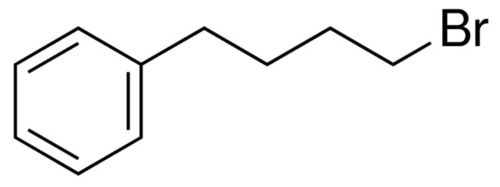
Tell us about your requirement

Price:
Quantity
Select Unit
- 50
- 100
- 200
- 250
- 500
- 1000+
Additional detail
Mobile number
Email

More Products in Aliphatic Bromide Category
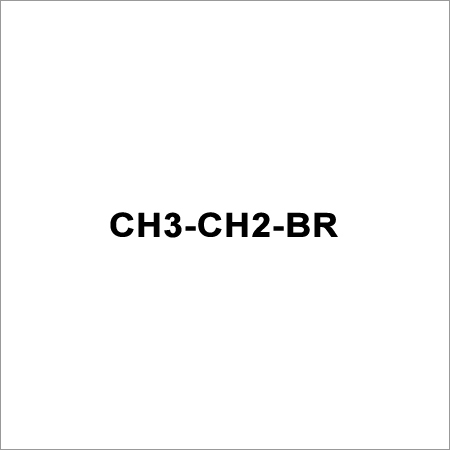
Ethyl Bromide
Minimum Order Quantity : 1 Kilograms
EINECS No : 2008258
Molecular Formula : C2H5Br
Other Names : Bromoethane
Usage : Used in the synthesis of pharmaceuticals and as an alkylating agent
Melting Point : 119 C
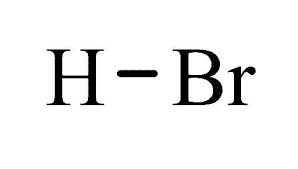
Hydrobomic Acid
Minimum Order Quantity : 1 Kilograms
EINECS No : 2331392
Molecular Formula : H3BO3
Other Names : Boric Acid, Orthoboric Acid
Usage : Used in glass manufacturing, agriculture, antiseptic, insecticide
Melting Point : 160C
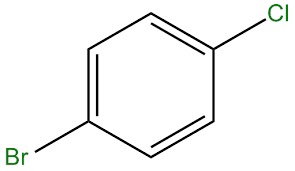
4- Bromo Chlorobenzene
Minimum Order Quantity : 1 Kilograms
EINECS No : 2033899
Molecular Formula : C6H4BrCl
Other Names : pBromochlorobenzene; 1Bromo4chlorobenzene
Usage : Raw material for synthesis of pharmaceuticals and agrochemicals
Melting Point : 5356C
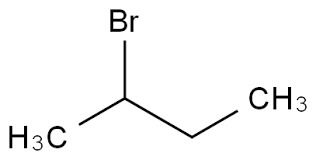
N- Butyl Bromide
Minimum Order Quantity : 1 Kilograms
EINECS No : 2036898
Molecular Formula : C4H9Br
Other Names : 1Bromobutane
Usage : Used as alkylating agent, flavor intermediate, laboratory reagent
Melting Point : 112 C

Contact us

- Unit 1 :W-6, M.I.D.C., Chemical Zone, Ambernath (W), Ambernath - 421501, Maharashtra, India
- Phone : 08045479213
SONTARA ORGANO INDUSTRIES
GST : 27AAKFS5792F1ZP

- Mr. Mukesh B. Parekh (Partner)
- Mobile : 08045479213
- Send Inquiry
 Send Inquiry
 Send Inquiry
 Send SMS
SONTARA ORGANO INDUSTRIES
All Rights Reserved.(Terms of Use)
Developed and Managed by Infocom Network Private Limited.
Developed and Managed by Infocom Network Private Limited.


 English
 Spanish
 French
 German
 Italian
 Chinese (Simplified)
 Japanese
 Korean
 Arabic
 Portuguese