

 Send Inquiry
Hydrobomic Acid
MOQ : 1 Kilograms
Hydrobomic Acid Specification
- HS Code
- 2810
- Molecular Weight
- 61.83 g/mol
- Refractive Rate
- 1.340
- Smell
- Odorless
- Taste
- Bitter
- Structural Formula
- B(OH)3
- Boiling point
- Decomposes before boiling
- Molecular Formula
- H3BO3
- Inorganic Acid Types
- Boric Acid Type
- Grade
- Technical
- Purity
- 99%
- Application
- Industrial, Chemical Synthesis
- Appearance
- White crystalline powder
- CAS No
- 10043-35-3
- EINECS No
- 233-139-2
- Other Names
- Boric Acid, Orthoboric Acid
- Usage
- Used in glass manufacturing, agriculture, antiseptic, insecticide
- Melting Point
- 160°C
- Density
- 1.44 Gram per cubic centimeter(g/cm3)
- Solubility
- Soluble in water
- Raw Material
- Borax
- Standard Certification
- ISO 9001:2015
- Shelf Life
- 2 Years
- Packaging Type
- HDPE drums, bags
- Particle Size
- Fine powder
- pH (1% solution)
- 5.1
- Moisture Content
- Less than 0.5%
- Storage Conditions
- Store in a cool, dry place
- Hazard Class
- Non-hazardous
Hydrobomic Acid Trade Information
- Minimum Order Quantity
- 1 Kilograms
- Supply Ability
- 100 Kilograms Per Month
- Delivery Time
- 7 Days
- Sample Available
- No
- Main Export Market(s)
- Asia, Australia, Central America, North America, South America, Eastern Europe, Western Europe, Middle East, Africa
Hydrobomic Acid About
Hydrobomic Acid, featured for its resplendent purity (99%) and breathtaking fineness, is a white crystalline powder classified as a boric acid type, an uncommon variant among inorganic acids. Obtained via technical-grade borax, its fresh manufacturing process retains a lowest moisture content below 0.5%. With ISO 9001:2015 certification, non-hazardous classification, and a fine granular structure, it is suitable for a variety of industrial and chemical synthesis applications. Packaged safely in HDPE drums or bags, Hydrobomic Acid ensures long-lasting performance and stability, with a robust shelf life of two years when stored in cool, dry conditions.
Diverse Applications and Competitive Edge
Hydrobomic Acid excels not only in glass manufacturing but also as an antiseptic, insecticide, and in agriculture. Its technical purity allows for uncommon flexibility across chemical synthesis processes. Competitive advantages include resplendent fine particle size, consistent quality, freshness, and solubility in water. Its application method is straightforward, with measured dosing ensuring optimal outcomes for industrial needs. Supported by stringent quality standards, Hydrobomic Acid offers a reliable solution for diverse operations.
Sample Availability and Export Markets
Premium Hydrobomic Acid samples are available for evaluation before bulk ordering. Shipped goods reach markets in India and abroad quickly, backed by efficient delivery systems. The product caters to the main export markets such as Europe, Asia, and the Middle East, while also sustaining a strong presence in major domestic markets. Customers receive freshly manufactured material, ensuring product integrity and satisfaction with every consignment.
Diverse Applications and Competitive Edge
Hydrobomic Acid excels not only in glass manufacturing but also as an antiseptic, insecticide, and in agriculture. Its technical purity allows for uncommon flexibility across chemical synthesis processes. Competitive advantages include resplendent fine particle size, consistent quality, freshness, and solubility in water. Its application method is straightforward, with measured dosing ensuring optimal outcomes for industrial needs. Supported by stringent quality standards, Hydrobomic Acid offers a reliable solution for diverse operations.
Sample Availability and Export Markets
Premium Hydrobomic Acid samples are available for evaluation before bulk ordering. Shipped goods reach markets in India and abroad quickly, backed by efficient delivery systems. The product caters to the main export markets such as Europe, Asia, and the Middle East, while also sustaining a strong presence in major domestic markets. Customers receive freshly manufactured material, ensuring product integrity and satisfaction with every consignment.
FAQs of Hydrobomic Acid:
Q: How should Hydrobomic Acid be stored to maintain freshness and quality?
A: Hydrobomic Acid must be stored in a cool, dry place using HDPE drums or bags to preserve its fine powder form, purity, and freshness throughout its two-year shelf life.Q: What industrial applications is Hydrobomic Acid suitable for?
A: Hydrobomic Acid is commonly used in glass manufacturing, chemical synthesis, agriculture, antiseptics, and as an insecticide, owing to its technical grade and high purity.Q: When can I expect delivery if I order Hydrobomic Acid samples or bulk quantities?
A: Samples and bulk orders are typically shipped promptly, with reliable delivery timelines, both within India and to international markets, ensuring swift supply of fresh product.Q: Where does Hydrobomic Acid mainly get exported to from India?
A: Hydrobomic Acid is exported primarily to Europe, Asia, and the Middle East, while also being available across major domestic markets in India.Q: What are the benefits of using Hydrobomic Acid in chemical processes?
A: Its uncommon purity, fine particle size, and excellent solubility provide competitive advantages in chemical synthesis, offering consistent results and enhanced product safety due to non-hazardous classification.Q: How is Hydrobomic Acid applied in industrial settings?
A: Application involves precise dosing based on industrial requirements. Its fine crystalline structure allows easy dispersion in water, making it adaptable for various process needs.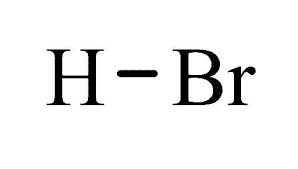
Tell us about your requirement

Price:
Quantity
Select Unit
- 50
- 100
- 200
- 250
- 500
- 1000+
Additional detail
Mobile number
Email

More Products in Aliphatic Bromide Category
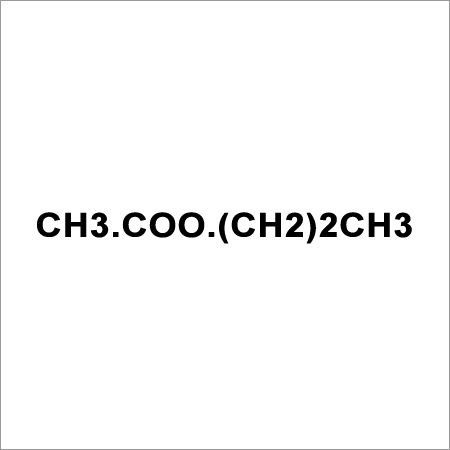
n-Propyl Acetate
Minimum Order Quantity : 1 Kilograms
Boiling point : 101C
Structural Formula : CH3COOCH2CH2CH3
Molecular Formula : C5H10O2
Melting Point : 93C
Smell : Other, Pleasant, fruity

Methyl Acetate 85%
Minimum Order Quantity : 1 Kilograms
Boiling point : 56C
Structural Formula : CH3COOCH3
Molecular Formula : C3H6O2
Melting Point : 98C
Smell : Other, Characteristic

N Butyl Bromide
Minimum Order Quantity : 1 Kilograms
Boiling point : 101103C
Structural Formula : CH3CH2CH2CH2Br
Molecular Formula : C4H9Br
Melting Point : 112 C
Smell : Other, Pungent, etherlike odor
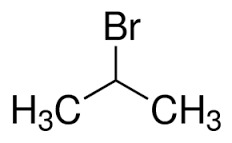
Isoporpyle Bromide
Minimum Order Quantity : 1 Kilograms
Boiling point : 5960C
Structural Formula : CH3CHBrCH3
Molecular Formula : C3H7Br
Melting Point : 89C
Smell : Other, Characteristic, etherlike odour

Contact us

- Unit 1 :W-6, M.I.D.C., Chemical Zone, Ambernath (W), Ambernath - 421501, Maharashtra, India
- Phone : 08045479213
SONTARA ORGANO INDUSTRIES
GST : 27AAKFS5792F1ZP

- Mr. Mukesh B. Parekh (Partner)
- Mobile : 08045479213
- Send Inquiry
 Send Inquiry
 Send Inquiry
 Send SMS
 Call Me Free
SONTARA ORGANO INDUSTRIES
All Rights Reserved.(Terms of Use)
Developed and Managed by Infocom Network Private Limited.
Developed and Managed by Infocom Network Private Limited.


 English
 Spanish
 French
 German
 Italian
 Chinese (Simplified)
 Japanese
 Korean
 Arabic
 Portuguese