

 जांच भेजें
सोडियम ब्रोमाइड
MOQ : 1 Kilograms
सोडियम ब्रोमाइड उत्पाद की विशेषताएं
- गंध
- क्वथनांक
- 1390C
- एच एस कोड
- 28275100
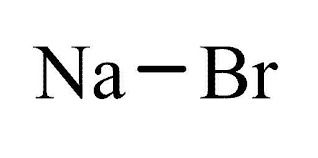
- स्ट्रक्चरल फॉर्मूला
- Na+ Br
- अपवर्तक दर
- 1.781 (20C, D)
- आण्विक सूत्र
- NaBr
- स्वाद
- Saline, Bitter
- आणविक भार
- 102.89 g/mol
- वर्गीकरण
- अकार्बनिक एसिड के प्रकार
- ग्रेड
- पवित्रता
- 99%
- एप्लीकेशन
- Industrial, Laboratory, Photography, Drilling Fluids
- दिखावट
- White Crystalline Powder
- कैस नं
- 7647-15-6
- ईआईएनईसीएस नं
- 231-599-9
- दुसरे नाम
- Bromide salt of sodium
- उपयोग
- Used as a source of bromide ion, for preparing other bromides, as a sedative, photography, and in water treatment
- मेल्टिंग पॉइंट
- 755C
- घनत्व
- ग्राम प्रति घन सेंटीमीटर (g/cm3)
- घुलनशीलता
- Highly soluble in water
- कच्चा माल
- Bromine, Sodium carbonate, Sodium hydroxide
सोडियम ब्रोमाइड व्यापार सूचना
- Minimum Order Quantity
- 1 Kilograms
- आपूर्ति की क्षमता
- प्रति महीने
- डिलीवरी का समय
- दिन
Tell us about your requirement

Price: Â
Quantity
Select Unit
- 50
- 100
- 200
- 250
- 500
- 1000+
Additional detail
मोबाइल number
Email

अधिक Products in क्षुद्रतापूर्ण ब्रोमाइड Category
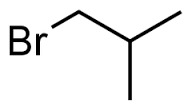
इसोबुटिल ब्रोमाइड
कैस नं : 78773
मेल्टिंग पॉइंट : 119 C
दिखावट : Colorless to pale yellow liquid
एप्लीकेशन : Intermediate in organic synthesis, pharmaceuticals, agrochemicals
ग्रेड : ,
क्वथनांक : 9092 C
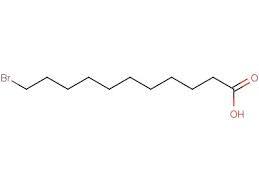
11 ब्रोमोंडेकोइक एसिड
कैस नं : 1866397
मेल्टिंग पॉइंट : 5559°C
दिखावट : White to offwhite crystalline solid
एप्लीकेशन : Organic synthesis, pharmaceutical intermediate, specialty chemicals
ग्रेड : ,
क्वथनांक : Not available (decomposes)

एन ब्यूटाइल ब्रोमाइड
कैस नं : 109659
मेल्टिंग पॉइंट : 112 °C
दिखावट : Colorless to light yellow liquid
एप्लीकेशन : Pharmaceutical intermediate, organic synthesis, solvent
ग्रेड : ,
क्वथनांक : 101–103°C

संपर्क करें

- यूनिट 1: डब्ल्यू -6, एम.आई.डी.सी., केमिकल ज़ोन, एम्बरनाथ (डब्ल्यू), - 421501, महाराष्ट्र, भारत
- फ़ोन : 08045479213
सोंटेरा ऑर्गो इंडस्ट्रीज
GST : 27AAKFS5792F1ZP

- Mr. Mukesh B. Parekh (साथी)
- मोबाइल : 08045479213
- जांच भेजें
 जांच भेजें
 जांच भेजें
 एसएमएस भेजें
SONTARA ORGANO INDUSTRIES
सर्वाधिकार सुरक्षित.(उपयोग की शर्तें)
इन्फोकॉम नेटवर्क प्राइवेट लिमिटेड . द्वारा विकसित एवं प्रबंधित
इन्फोकॉम नेटवर्क प्राइवेट लिमिटेड . द्वारा विकसित एवं प्रबंधित


 English
 Spanish
 French
 German
 Italian
 Chinese (Simplified)
 Japanese
 Korean
 Arabic
 Portuguese