

 Send Inquiry
Isobutyl Bromide
MOQ : 1 Kilograms
Isobutyl Bromide Specification
- Refractive Rate
- n20/D 1.434
- Smell
- Strong, pungent odor
- Structural Formula
- CH3CH2CH(Br)CH3
- HS Code
- 29033990
- Boiling point
- 91-92 °C
- Molecular Formula
- C4H9Br
- Molecular Weight
- 137.02 g/mol
- Grade
- Technical / Laboratory Grade
- Purity
- 98% Min
- Application
- Pharmaceutical Intermediate, Organic Synthesis, Agrochemical Synthesis
- Appearance
- Clear colorless to pale yellow liquid
- CAS No
- 78-77-3
- EINECS No
- 201-151-3
- Other Names
- 1-Bromo-2-methylpropane; Isobutyl bromide
- Usage
- Used in synthesis of agrochemicals, pharmaceuticals, and other specialty organic compounds
- Melting Point
- -119 °C
- Density
- 1.222 Gram per cubic centimeter(g/cm3)
- Solubility
- Insoluble in water; soluble in organic solvents like ether, alcohol
- Raw Material
- Isobutanol, Hydrobromic Acid
- Packaging
- Available in glass bottles, HDPE carboys, metal drums
- Hazard Statements
- Harmful if inhaled, causes skin and eye irritation
- Stability
- Stable under recommended storage conditions
- Vapor Pressure
- 35 mmHg at 20 C
- Storage Conditions
- Store in a cool, dry, well-ventilated place, away from sources of ignition
- Flash Point
- 15 C (closed cup)
Isobutyl Bromide Trade Information
- Minimum Order Quantity
- 1 Kilograms
- Supply Ability
- 100 Kilograms Per Month
- Delivery Time
- 7 Days
- Main Export Market(s)
- Asia, Australia, Central America, North America, South America, Eastern Europe, Western Europe, Middle East, Africa
Isobutyl Bromide About
Being a trusted and quality-oriented manufacturer, exporter and supplier of this field, we are affianced in offering supreme quality Isobutyl Bromide. It is formulated under the stern supervision of our deft professionals with the use of excellent quality chemical ingredients under the most favourable conditions. The offered chemical is used as a reagent to perform various chemical reactions in chemical, beverage, food processing and pharmaceutical industries. In addition, clients can purchase this Isobutyl Bromide in several grades of packets at economical rates.
Features:
-
Longer shelf life
-
Excellent purity
-
Low mixing ratio
-
Optimum solubility
Specifications:
|
Sr.no. |
|
|
A |
General information :
|
|
1 |
Structure : (CH3)2.CH.CH2.Br |
|
2 |
Molecular formula : C4H9Br |
|
3 |
Molecular weight : 137.02 |
|
4 |
Chemical name : 1-Bromo-2-methyl propane , isobutyl bromide |
|
5 |
Density at 25oc : 1.26 g / ml |
|
6 |
B.P. : 90 - 92oc |
|
7 |
CAS no. : [ 78-77-3 ] |
|
|
|
|
B |
Specification :
|
|
1 |
Description : Clear, colourless to pale yellow liquid |
|
2 |
Water : Not more than 0.1 % |
|
3 |
Acidity : Not more than 0.1 % as HBr |
|
4 |
Purity by GC : Not less than 98.0% |
Applications and Benefits
Isobutyl Bromide is valued for its role in synthesizing pharmaceuticals, agrochemicals, and a range of specialty organic compounds. Its high reactivity and purity make it advantageous in laboratory and industrial chemical processes, ensuring reliable results in demanding synthesis routines.
Safe Storage and Handling
To preserve its stability and prevent hazards, Isobutyl Bromide must be stored in a cool, dry, well-ventilated area away from sources of ignition. Its flash point is 15 C, emphasizing the need for careful handling. Using appropriate protective gear is essential due to its irritant and harmful properties.
Physical and Chemical Features
This brominated organic liquid has a boiling point of 91-92 C, density of 1.222 g/cm, and is insoluble in water but compatible with ether and alcohol. Its strong, pungent odor and clear to pale yellow appearance help in easy identification during laboratory and manufacturing processes.
FAQs of Isobutyl Bromide:
Q: How should Isobutyl Bromide be stored to maintain its stability and safety?
A: Isobutyl Bromide should be stored in a cool, dry, and well-ventilated place, away from any sources of ignition or heat. Following these storage guidelines preserves product stability and reduces the risk of hazardous incidents.Q: What precautions are necessary when handling Isobutyl Bromide?
A: Appropriate personal protective equipment such as gloves, goggles, and protective clothing should be worn, as Isobutyl Bromide may cause skin and eye irritation and is harmful if inhaled. Work in well-ventilated areas and avoid direct contact with the liquid.Q: Where is Isobutyl Bromide commonly used?
A: Isobutyl Bromide is frequently employed in pharmaceutical intermediate preparation, agrochemical synthesis, and related organic chemical manufacturing, supporting industries that require reliable brominated reagents.Q: What is the process of manufacturing Isobutyl Bromide?
A: Isobutyl Bromide is synthesized using isobutanol and hydrobromic acid as raw materials. Controlled reactions lead to the formation of 1-bromo-2-methylpropane, with purity typically maintained above 98% for technical and laboratory applications.Q: When is Isobutyl Bromide most beneficial in synthesis applications?
A: Isobutyl Bromide demonstrates optimum performance when used in specialized organic transformations that require a highly reactive alkylating agent, making it particularly beneficial in the initial or intermediate stages of pharmaceutical and agrochemical synthesis.Q: What benefits does Isobutyl Bromide offer in laboratory and industrial synthesis?
A: Its high purity and consistent reactivity provide dependable results, while compatibility with various organic solvents makes it versatile for diverse reactions. This facilitates reliable production of target compounds, especially where precise organic halide inputs are required.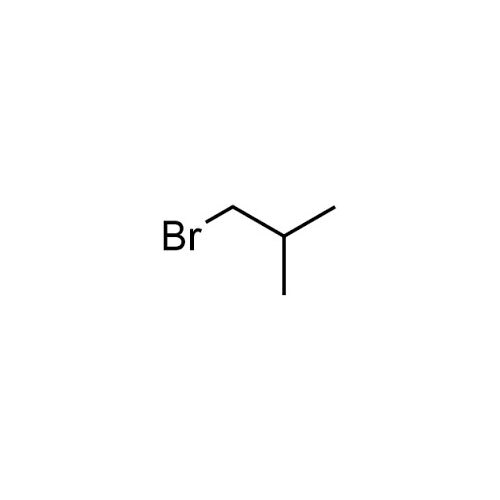
Tell us about your requirement

Price:
Quantity
Select Unit
- 50
- 100
- 200
- 250
- 500
- 1000+
Additional detail
Mobile number
Email

More Products in Aliphatic Bromide Category
Lithium Chloride Powder
Minimum Order Quantity : 1 Kilograms
HS Code : 28273900
Solubility : Highly soluble in water, soluble in ethanol, methanol, acetone
Molecular Formula : LiCl
CAS No : 7447418
Melting Point : 605C
n-Propyl Acetate
Minimum Order Quantity : 1 Kilograms
HS Code : 2915399090
Solubility : Slightly soluble in water, miscible with most organic solvents
Molecular Formula : C5H10O2
CAS No : 109604
Melting Point : 93C
N- Pentyl Bromide
Minimum Order Quantity : 1 Kilograms
HS Code : 29037190
Solubility : Insoluble in water soluble in organic solvents
Molecular Formula : C5H11Br
CAS No : 111240
Melting Point : 71 C
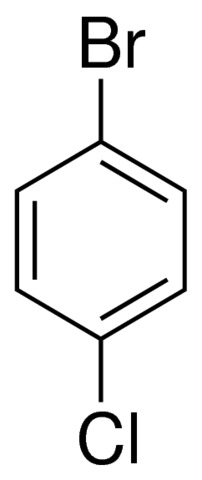
4-Bromochlorobenzene .
Minimum Order Quantity : 1 Kilograms
HS Code : 2903.69
Solubility : Insoluble in water soluble in organic solvents
Molecular Formula : C6H4BrCl
CAS No : 106398
Melting Point : 25C (77F)

Contact us

- Unit 1 :W-6, M.I.D.C., Chemical Zone, Ambernath (W), Ambernath - 421501, Maharashtra, India
- Phone : 08045479213
SONTARA ORGANO INDUSTRIES
GST : 27AAKFS5792F1ZP

- Mr. Mukesh B. Parekh (Partner)
- Mobile : 08045479213
- Send Inquiry
 Send Inquiry
 Send Inquiry
 Send SMS
 Call Me Free
SONTARA ORGANO INDUSTRIES
All Rights Reserved.(Terms of Use)
Developed and Managed by Infocom Network Private Limited.
Developed and Managed by Infocom Network Private Limited.


 English
 Spanish
 French
 German
 Italian
 Chinese (Simplified)
 Japanese
 Korean
 Arabic
 Portuguese