

 Send Inquiry
Isoporpyle Acetate
MOQ : 1 Kilograms
Isoporpyle Acetate Specification
- Molecular Formula
- C5H10O2
- Structural Formula
- CH3COOCH(CH3)2
- Boiling point
- 89 °C
- Refractive Rate
- 1.386
- Molecular Weight
- 102.13 g/mol
- Smell
- Characteristic fruity odor
- HS Code
- 2915.39.90
- Taste
- Sweet, fruity taste
- Grade
- Industrial Grade
- Purity
- 99% min
- Application
- Solvent in coatings, inks, and perfumes
- Appearance
- Colorless transparent liquid
- CAS No
- 108-21-4
- EINECS No
- 203-561-1
- Other Names
- Isopropyl ethanoate
- Usage
- Used as solvent, intermediate, and extraction agent
- Melting Point
- -89 °C
- Density
- 0.87 Gram per cubic centimeter(g/cm3)
- Solubility
- Insoluble in water, miscible with most organic solvents
- Raw Material
- Isopropanol and Acetic Acid
- Surface Tension
- 22.7 mN/m at 20C
- Compatibility
- Compatible with hydrocarbon solvents
- Flash Point
- 15 C
- Vapor Pressure
- 33 mm Hg at 25 C
- UN Number
- UN 1220
- Viscosity
- 0.66 mPa.s at 20C
- Hazard Classes
- Flammable Liquid
- Shelf Life
- 12 months
- Packaging Type
- Drums, ISO tanks
- Storage
- Keep container tightly closed and in cool, ventilated place
- Evaporation Rate
- Fast
- Autoignition Temperature
- 443 C
- Stability
- Stable under recommended storage conditions
Isoporpyle Acetate Trade Information
- Minimum Order Quantity
- 1 Kilograms
- Supply Ability
- 100 Kilograms Per Month
- Delivery Time
- 7 Days
- Sample Available
- No
- Main Export Market(s)
- Asia, Australia, Central America, North America, South America, Eastern Europe, Western Europe, Middle East, Africa
Isoporpyle Acetate About
Isopropyl Acetate, a grand and truly sought-after solvent, is acclaimed for its opulent versatility across multiple industries. This in-demand, colorless transparent liquid, with 99% purity and characteristic fruity odor, finds prominent use in coatings, inks, and perfumes. Manufactured from isopropanol and acetic acid, it offers a fast evaporation rate, making it highly valued for industrial applications. Carefully packed in drums or ISO tanks, this product aligns with rigorous safety and stability requirements. Find reliability with an exceptional shelf life of 12 months and unrivaled compatibility with hydrocarbon solvents. Exported and supplied globally from India.
Versatile Applications Across Industries
Isopropyl Acetate is renowned for its efficiency in plant operations and as a primary solvent in numerous sectors. Its specific applications include serving as a valuable intermediate and extraction agent, as well as being integrated into coatings, inks, and fragrances. The compounds general use extends to acting as a high-performing solvent in manufacturing processes, ensuring seamless formulation and processing across different industrial applications. Its high purity guarantees consistent results and maximal utility in both specialized and broad uses.
Certifications, Delivery, and Domestic Market Insights
Our Isopropyl Acetate comes with necessary certifications to assure quality in every batch. Shipments benefit from optimized order processing and swift transportation to major domestic markets. The list price reflects the products premium grade and reliable sourcing. With efficient logistics, prompt delivery times are consistently maintained throughout India, catering to industries seeking top-tier solvents. Count on our expertise as exporters, manufacturers, and suppliers, offering exemplary service and compliance with safety regulations.
Versatile Applications Across Industries
Isopropyl Acetate is renowned for its efficiency in plant operations and as a primary solvent in numerous sectors. Its specific applications include serving as a valuable intermediate and extraction agent, as well as being integrated into coatings, inks, and fragrances. The compounds general use extends to acting as a high-performing solvent in manufacturing processes, ensuring seamless formulation and processing across different industrial applications. Its high purity guarantees consistent results and maximal utility in both specialized and broad uses.
Certifications, Delivery, and Domestic Market Insights
Our Isopropyl Acetate comes with necessary certifications to assure quality in every batch. Shipments benefit from optimized order processing and swift transportation to major domestic markets. The list price reflects the products premium grade and reliable sourcing. With efficient logistics, prompt delivery times are consistently maintained throughout India, catering to industries seeking top-tier solvents. Count on our expertise as exporters, manufacturers, and suppliers, offering exemplary service and compliance with safety regulations.
FAQs of Isoporpyle Acetate:
Q: How should Isopropyl Acetate be stored for maximum stability?
A: Isopropyl Acetate should be kept in tightly closed containers, stored in a cool, ventilated place, and away from sources of ignition to maintain stability and ensure safety.Q: What are the main industrial applications of Isopropyl Acetate?
A: Isopropyl Acetate is primarily used as a solvent in coatings, printing inks, and perfumes. It also functions as an intermediate and extraction agent in various chemical processes.Q: When does Isopropyl Acetates shelf life expire?
A: When stored as recommended, Isopropyl Acetate maintains its opulent quality and stability for up to 12 months from the date of packaging.Q: Where can Isopropyl Acetate be sourced from?
A: This in-demand solvent is supplied and exported globally straight from leading manufacturers and suppliers in India.Q: What is the process for ordering and receiving Isopropyl Acetate?
A: Orders are processed efficiently, with streamlined transportation and prompt delivery to domestic and international locations. Packaging is available in drums and ISO tanks for safety and convenience.Q: What benefits does Isopropyl Acetate offer in solvent applications?
A: It features a fast evaporation rate, compatibility with hydrocarbon solvents, high purity, and a consistently stable structure, ensuring optimal performance in every use.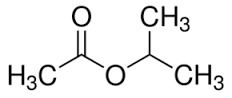
Tell us about your requirement

Price:
Quantity
Select Unit
- 50
- 100
- 200
- 250
- 500
- 1000+
Additional detail
Mobile number
Email

More Products in Aliphatic Bromide Category
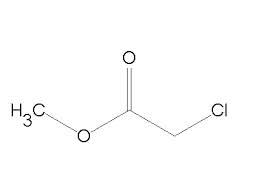
Methyle Chloro Acetate
Minimum Order Quantity : 1 Kilograms
Molecular Weight : 108.52 g/mol
Smell : Other, Characteristic pungent odor
Application : Used in organic synthesis primarily as an intermediate for pharmaceuticals and agrochemicals.
HS Code : 291539
Molecular Formula : C3H5ClO2
N Octyl Bromide
Minimum Order Quantity : 1 Kilograms
Molecular Weight : 193.13 g/mol
Smell : Other, Characteristic, mild
Application : Organic synthesis, pharmaceuticals, agrochemicals, intermediates
HS Code : 29036990
Molecular Formula : C8H17Br
N- Hexyl Bromide
Minimum Order Quantity : 1 Kilograms
Molecular Weight : 165.07 g/mol
Smell : Other, Sweetish, chloroformlike odor
Application : Organic synthesis, Pharmaceutical intermediates, Agrochemicals
HS Code : 2903 30 90
Molecular Formula : C6H13Br
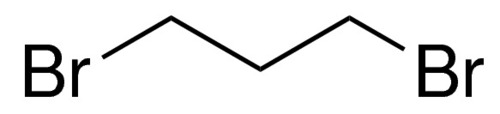
1,3-Dibrompropan .
Minimum Order Quantity : 1 Kilograms
Molecular Weight : 201.89 g/mol
Smell : Other, Characteristic pungent odor
Application : Used as an intermediate in organic synthesis
HS Code : 29033990
Molecular Formula : C3H6Br2

Contact us

- Unit 1 :W-6, M.I.D.C., Chemical Zone, Ambernath (W), Ambernath - 421501, Maharashtra, India
- Phone : 08045479213
SONTARA ORGANO INDUSTRIES
GST : 27AAKFS5792F1ZP

- Mr. Mukesh B. Parekh (Partner)
- Mobile : 08045479213
- Send Inquiry
 Send Inquiry
 Send Inquiry
 Send SMS
SONTARA ORGANO INDUSTRIES
All Rights Reserved.(Terms of Use)
Developed and Managed by Infocom Network Private Limited.
Developed and Managed by Infocom Network Private Limited.


 English
 Spanish
 French
 German
 Italian
 Chinese (Simplified)
 Japanese
 Korean
 Arabic
 Portuguese