

 Send Inquiry
Isopropyl Chloro Acetate
MOQ : 1 Kilograms
Isopropyl Chloro Acetate Specification
- Molecular Weight
- 136.58 g/mol
- Molecular Formula
- C5H9ClO2
- Smell
- Pungent, Ester-like
- Structural Formula
- ClCH2COOCH(CH3)2
- Boiling point
- 164C
- HS Code
- 2915.90.00
- Refractive Rate
- 1.417
- Classification
- Organic Acid Ester
- Organic Acid Types
- Chloroacetate Ester
- Grade
- Industrial Grade
- Purity
- 98% min
- Application
- Pharmaceutical Intermediates, Organic Synthesis, Agrochemicals
- Appearance
- Clear Colorless Liquid
- CAS No
- 35123-06-9
- EINECS No
- 252-358-0
- Other Names
- Isopropyl Monochloroacetate
- Usage
- Used as an intermediate in the manufacture of pharmaceuticals and agrochemicals
- Density
- 1.14 Gram per cubic centimeter(g/cm3)
- Solubility
- Soluble in common organic solvents, Immiscible with water
- Raw Material
- Chloroacetic Acid, Isopropanol
- Transport Information
- UN 1993, Class 3 (Flammable Liquid)
- Stability
- Stable under recommended storage conditions
- pH
- Not applicable (neutral ester)
- Flash Point
- 71C
- Shelf Life
- 2 years from date of manufacture if stored properly
- Packaging
- Available in 200 kg HDPE drums, IBC tanks, or as per customer requirement
- Vapor Pressure
- 0.45 mmHg at 25C
- Hazard Class
- Irritant, Harmful
- Storage Condition
- Keep tightly closed in cool, dry, and well-ventilated area away from direct sunlight. Store under inert atmosphere.
Isopropyl Chloro Acetate Trade Information
- Minimum Order Quantity
- 1 Kilograms
- Supply Ability
- 100 Kilograms Per Month
- Delivery Time
- 7 Days
About Isopropyl Chloro Acetate
| Name of Product | Isopropyl Chloro Acetate | IUPAC Name | propan-2-yl 2-chloroacetate | |
| CAS No | 105-48-6 | InChI | InChI=1S/C5H9ClO2/c1-4(2)8-5(7)3-6/h4H,3H2,1-2H3 | |
| Formula | C5H9ClO2 | InChI Key | VODRWDBLLGYRJT-UHFFFAOYSA-N | |
| Other name / synonyms | ISOPROPYL CHLOROACETATE | Canonical SMILES | CC(C)OC(=O)CCl | |
| Chloroacetic acid isopropyl ester | EC Number | 203-301-7 | ||
| 105-48-6 | UN Number | 2947 | ||
| propan-2-yl 2-chloroacetate | ||||
| Acetic acid, chloro-, 1-methylethyl ester | Description | Clear, colourless liquid | ||
| iso-propyl chloroacetate | Purity by GC | Not less than 99.0% | ||
| ClCH2C(O)OCH(CH3)2 | Acidity | Not more than 0.1 % | ||
| CCRIS 7748 | Water | Not more than 0.2 % | ||
| VODRWDBLLGYRJT-UHFFFAOYSA-N | ||||
| EINECS 203-301-7 | ||||
| Monochloroacetic acid isopropyl ester | ||||
| NSC 27789 | ||||
| SBB040600 | ||||
| UN2947 | ||||
| Acetic acid, chloro-, isopropyl ester | ||||
| AI3-39184 | ||||
| Acetic acid, 2-chloro-, 1-methylethyl ester | ||||
| AC1L1PHL | ||||
| AC1Q3TQC | ||||
| isopropyl 2-chloroacetate | ||||
| ACMC-2098gh | ||||
| methylethyl 2-chloroacetate | ||||
| KSC492K2D | ||||
| SCHEMBL136589 | ||||
| Jsp000514 | ||||
| CTK3J2521 | ||||
| VODRWDBLLGYRJT-UHFFFAOYSA- | ||||
| MolPort-000-871-655 | ||||
| Chloroacetic acid, 1-methyl ester | ||||
| NSC27789 | ||||
| ANW-15231 | ||||
| AR-1J2764 | ||||
| NSC-27789 | ||||
| ZINC01641625 | ||||
| AKOS000268764 | ||||
| chloroacetic acid, 1-methylethyl ester | ||||
| MCULE-3017211046 | ||||
| UN 2947 | ||||
| CJ-05889 | ||||
| CJ-26498 | ||||
| LS-188102 | ||||
| RT-000697 | ||||
| FT-0656095 | ||||
| Acetic acid, chloro-, isopropyl ester (8CI) | ||||
| I14-5876 | ||||
| Isopropyl chloroacetate [UN2947] [Flammable liquid] | ||||
| Isopropyl chloroacetate [UN2947] [Flammable liquid] | ||||
| 3B3-054600 | ||||
| InChI=1/C5H9ClO2/c1-4(2)8-5(7)3-6/h4H,3H2,1-2H3 | ||||
Superior Quality and Purity
Isopropyl Chloro Acetate is produced using stringent quality measures, resulting in a minimum purity of 98%. Its high-grade composition suits critical organic synthesis processes in pharmaceutical and agrochemical industries. The substances neutral pH and stability under prescribed storage conditions make it a reliable option for customers seeking consistency and performance.
Packaging and Transport Options
Available in 200 kg HDPE drums, IBC tanks, or customized packaging, Isopropyl Chloro Acetate offers flexible shipment solutions. Classified under UN 1993 as a Class 3 flammable liquid, it is shipped in compliance with international transport regulations, ensuring safe and secure delivery to destinations worldwide, primarily exported from India.
Safe Handling and Storage
Proper handling and storage of Isopropyl Chloro Acetate preserve its shelf life and efficacy. The compound is stable for two years if stored tightly closed in a cool, dry, well-ventilated area, away from direct sunlight and under an inert atmosphere. Following these guidelines helps prevent degradation and exposure risks.
FAQs of Isopropyl Chloro Acetate:
Q: How should Isopropyl Chloro Acetate be stored for maximum stability?
A: Isopropyl Chloro Acetate should always be kept tightly closed in a cool, dry, and well-ventilated area, away from any direct sunlight. Storing the substance under an inert atmosphere optimizes stability and ensures it maintains its efficacy during its two-year shelf life.Q: What are the main applications of Isopropyl Chloro Acetate?
A: This compound is primarily used as an intermediate in the production of pharmaceuticals and agrochemicals. It plays a key role in various organic synthesis processes, where its high purity and reliable stability are particularly valuable.Q: When is it necessary to use specialized packaging for Isopropyl Chloro Acetate?
A: Specialized packaging such as 200 kg HDPE drums or IBC tanks is recommended whenever larger volumes are transported or stored, especially due to the compounds classification as a flammable liquid under UN 1993, Class 3. Custom packaging can also be arranged for specific customer needs.Q: Where should Isopropyl Chloro Acetate not be stored to prevent product degradation?
A: This chemical should not be stored in areas exposed to direct sunlight, heat sources, or moisture. It is essential to avoid water contact, as the substance is immiscible with water and is best maintained in dry conditions.Q: What safety precautions should be considered when handling Isopropyl Chloro Acetate?
A: Since Isopropyl Chloro Acetate is classified as an irritant and harmful substance, appropriate personal protective equipment (PPE) such as gloves, goggles, and protective clothing should be worn. Ensure excellent ventilation, and avoid inhalation, direct skin, or eye contact.Q: How does Isopropyl Chloro Acetate benefit the pharmaceutical and agrochemical industries?
A: Its high purity, stability, and reliable reactivity make Isopropyl Chloro Acetate an ideal intermediate for producing active ingredients. This supports more efficient manufacturing processes and results in higher-quality end products for both industries.
Tell us about your requirement

Price:
Quantity
Select Unit
- 50
- 100
- 200
- 250
- 500
- 1000+
Additional detail
Mobile number
Email

More Products in Aliphatic Bromide Category
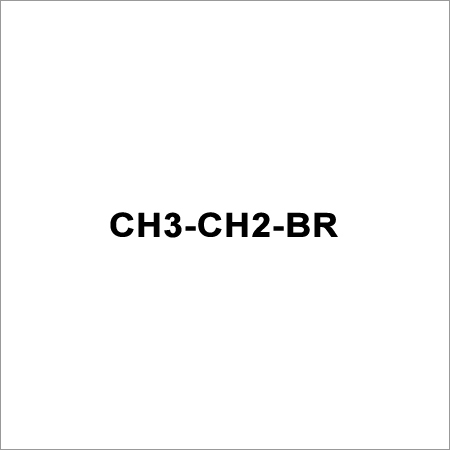
Ethyl Bromide
Minimum Order Quantity : 1 Kilograms
Molecular Weight : 108.97 g/mol
Molecular Formula : C2H5Br
Usage : Used in the synthesis of pharmaceuticals and as an alkylating agent
Application : Pharmaceutical intermediates, Organic synthesis, Laboratory reagent
Smell : Other, Sweet, chloroformlike odor
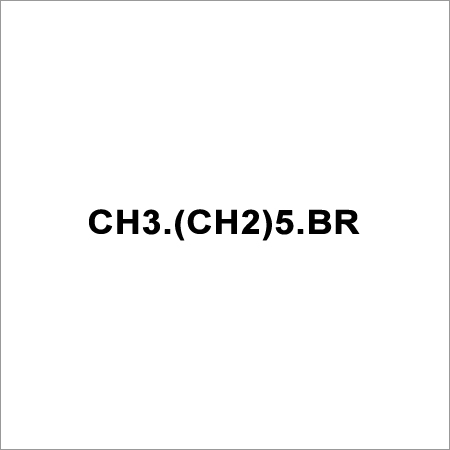
n-Hexyl Bromide
Minimum Order Quantity : 1 Kilograms
Molecular Weight : 165.07 g/mol
Molecular Formula : C6H13Br
Usage : Raw material in organic synthesis, research use
Application : Pharmaceutical intermediates, organic synthesis, agrochemicals
Smell : Other, Characteristic

N Pentyl Bromide
Minimum Order Quantity : 1 Kilograms
Molecular Weight : 151.05 g/mol
Molecular Formula : C5H11Br
Usage : Laboratory reagent, Organic synthesis
Application : Chemical Intermediate, Pharmaceutical Synthesis
Smell : Other, Characteristic, pungent
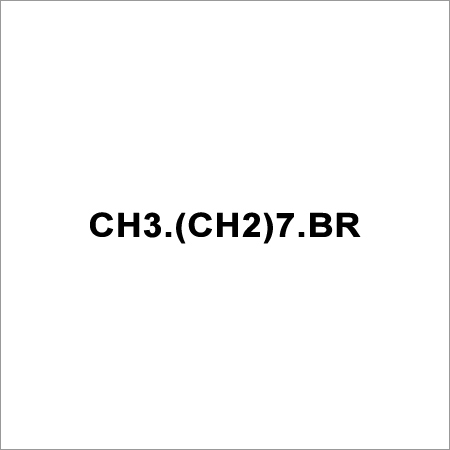
n-Octyl Bromide
Minimum Order Quantity : 1 Kilograms
Molecular Weight : 193.12 g/mol
Molecular Formula : C8H17Br
Usage : Intermediate for synthesis of chemicals
Application : Pharmaceutical intermediates, organic synthesis, surfactant, specialty chemicals
Smell : Other, Characteristic

Contact us

- Unit 1 :W-6, M.I.D.C., Chemical Zone, Ambernath (W), Ambernath - 421501, Maharashtra, India
- Phone : 08045479213
SONTARA ORGANO INDUSTRIES
GST : 27AAKFS5792F1ZP

- Mr. Mukesh B. Parekh (Partner)
- Mobile : 08045479213
- Send Inquiry
 Send Inquiry
 Send Inquiry
 Send SMS
 Call Me Free
SONTARA ORGANO INDUSTRIES
All Rights Reserved.(Terms of Use)
Developed and Managed by Infocom Network Private Limited.
Developed and Managed by Infocom Network Private Limited.


 English
 Spanish
 French
 German
 Italian
 Chinese (Simplified)
 Japanese
 Korean
 Arabic
 Portuguese