

 Send Inquiry
Methyl Chloroacetate (C3H5ClO2)
Methyl Chloroacetate (C3H5ClO2) Specification
- Refractive Rate
- n20/D 1.418
- Boiling point
- 129-131 °C
- Molecular Weight
- 108.52 g/mol
- Smell
- Characteristic, pungent odor
- HS Code
- 29154000
- Structural Formula
- ClCH2COOCH3
- Molecular Formula
- C3H5ClO2
- Grade
- Technical / Industrial
- Purity
- 99% min
- Application
- Intermediate for pharmaceuticals, agrochemicals, dyestuff, flavors
- Appearance
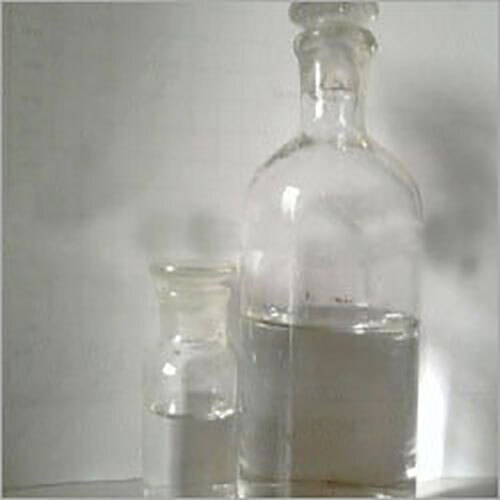
- Colorless to pale yellow liquid
- CAS No
- 96-34-4
- EINECS No
- 202-499-3
- Other Names
- Chloroacetic acid methyl ester
- Usage
- Used in organic synthesis and chemical manufacturing
- Melting Point
- -32 °C
- Density
- 1.175 Gram per cubic centimeter(g/cm3)
- Solubility
- Soluble in ethanol, ether; slightly soluble in water
- Raw Material
- Chloroacetic acid, methanol
- Shelf Life
- 24 months under recommended storage
- Flash Point
- 40 C
- Packing Type
- HDPE drum, 250 kg net weight
- Storage Conditions
- Store in a cool, ventilated place away from sources of ignition
- Vapor Pressure
- 4 mmHg at 20 C
- Hazard Statements
- Harmful if swallowed, causes skin and eye irritation
- Impurities
- 1%
- Stability
- Stable under normal temperatures and pressures
- Transport Information
- UN 2671, Hazard Class 6.1, Packing Group III
Methyl Chloroacetate (C3H5ClO2) Trade Information
- Supply Ability
- 100 Per Month
- Delivery Time
- 7 Days
- Main Export Market(s)
- Asia, Australia, Central America, North America, South America, Eastern Europe, Western Europe, Middle East, Africa
Methyl Chloroacetate (C3H5ClO2) About
Bestowed with in-depth expertise of 44 years in this domain, we are betrothed in offering premium quality Methyl Chloroacetate. Specially used for preparation of carboxymethyl, the offered chemical is also suitable for the synthesis of carbethoxymethoxy. Processed under the strict guidance of our diligent professionals using premium quality chemicals, it is also tested on various parameters to ensure its purity and high effectiveness. Furthermore, clients can avail this Methyl Chloroacetate at market leading rates from us.
Features:
-
Excellent purity
-
Precise pH value
-
Longer shelf life
-
Accurate composition
Specifications:
|
Sr No |
ACTIVITY |
|
A |
General information : |
|
1 |
|
|
2 |
Structure : Cl.CH2.COO.CH3 |
|
3 |
Molecular formula : C3H5ClO2 |
|
4 |
Molecular weight : 108.53 |
|
5 |
Chemical name : Methyl chloroacetate |
|
6 |
Density at 25oc : 1.238 gm/ml |
|
7 |
Boiling point : 130oc / 740 mm |
|
8 |
CAS no. : 96-34-4 |
|
|
|
|
B |
Specifications : |
|
1 |
Description : Clear, colourless liquid |
|
2 |
Acidity : Not more than 0.5 % |
|
3 |
Moisture (KF) : Not more than 0.1 % |
|
4 |
Purity by GC : Not less than 98.0% |
Key Features of Methyl Chloroacetate
Methyl Chloroacetate stands out for its high purity, low impurities, and versatile applications in chemical synthesis. Its consistent quality makes it ideal for technical and industrial-grade usage, particularly as an intermediate in complex organic reactions. The compound retains stability under standard temperatures and pressures, ensuring reliability during storage and handling.
Safe Handling and Storage Guidelines
For optimal performance and safety, Methyl Chloroacetate should be stored in a cool, ventilated area away from ignition sources. The recommended storage facilitates its shelf life of up to 24 months and minimizes risk. The chemical is packed in robust HDPE drums to prevent contamination and leakage, complying with stringent transport regulations.
FAQs of Methyl Chloroacetate (C3H5ClO2):
Q: How should Methyl Chloroacetate be safely stored to maintain its quality?
A: Store Methyl Chloroacetate in a cool, well-ventilated place, away from any sources of ignition. Use only the designated HDPE drums (250 kg net weight) and keep the storage area free from incompatible substances. Following these guidelines preserves its 24-month shelf life and maintains product integrity.Q: What is the primary use of Methyl Chloroacetate in industry?
A: Methyl Chloroacetate serves as a crucial intermediate in organic synthesis, especially within the pharmaceutical, agrochemical, dyestuff, and flavor manufacturing sectors. Its reactivity and purity make it ideal for producing various high-value compounds.Q: When does Methyl Chloroacetate require special safety measures during transport?
A: During transport, Methyl Chloroacetate is classified under UN 2671, Hazard Class 6.1, Packing Group III. It necessitates proper labeling, packaging in HDPE drums, and adherence to hazardous materials transport protocols to ensure safety and regulatory compliance.Q: Where is Methyl Chloroacetate manufactured and exported from?
A: Methyl Chloroacetate is manufactured, supplied, and exported from India by certified exporters and manufacturers serving global markets, ensuring technical and industrial-grade quality standards are met.Q: What are the benefits of using high-purity Methyl Chloroacetate in chemical manufacturing?
A: Utilizing high-purity Methyl Chloroacetate (minimum 99% purity) ensures consistency, reduces impurities in end products, and enhances overall process efficiency in chemical manufacturing, contributing to reliable results in pharmaceuticals and other applications.Q: How is Methyl Chloroacetate typically applied in the synthesis process?
A: It is used as a carboxylic acid ester intermediate, allowing for the introduction of functional groups in organic molecules. This facilitates the production of advanced intermediates necessary for pharmaceuticals, agrochemicals, and dyes.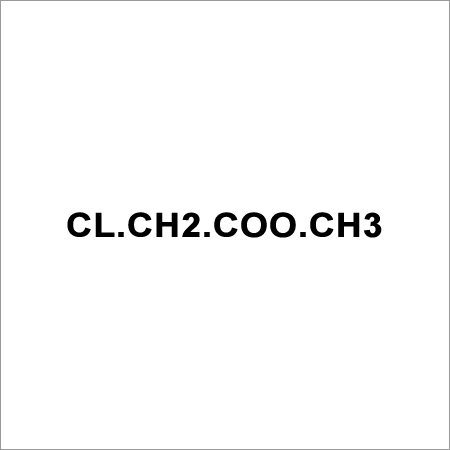
Tell us about your requirement

Price:
Quantity
Select Unit
- 50
- 100
- 200
- 250
- 500
- 1000+
Additional detail
Mobile number
Email

More Products in Aliphatic Esters Category
ETHYL OLEATE
Refractive Rate : 1.4501.453 (20C)
Density : 0.870 Gram per cubic centimeter(g/cm3)
Melting Point : 32C
Smell : Other, Odorless or faint fatty odor
EINECS No : 2040491
Usage : Used in pharmaceutical, cosmetic, and food industries as an emulsifier or solvent
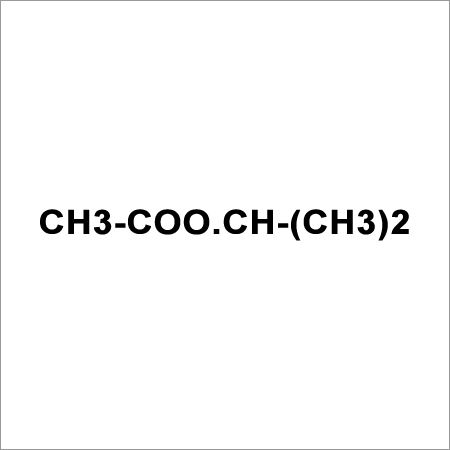
Isopropyl Acetate
Refractive Rate : 1.387
Density : 0.870 Gram per cubic centimeter(g/cm3)
Melting Point : 90C
Smell : Other, Fruity, mild odour
EINECS No : 2035611
Usage : Industrial Solvent
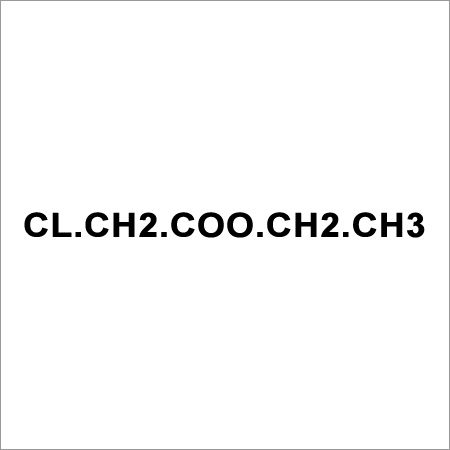
Ethyl Chloroacetate
Refractive Rate : n20/D 1.422
Density : 1.17 Gram per cubic centimeter(g/cm3)
Melting Point : 25C
Smell : Other, Pungent, fruity odor
EINECS No : 2032897
Usage : Manufacture of pharmaceuticals, pesticides, herbicides, dyes, and perfumes
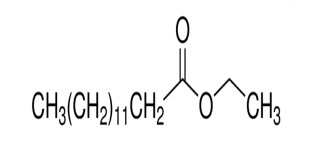
Ethyl myristate
Refractive Rate : 1.4321.436
Density : 0.857 Gram per cubic centimeter(g/cm3)
Melting Point : 4C
Smell : Other, Mild, fatty odor
EINECS No : 2046775
Usage : Used as emollient in cosmetics, flavoring agent, and solvent

Contact us

- Unit 1 :W-6, M.I.D.C., Chemical Zone, Ambernath (W), Ambernath - 421501, Maharashtra, India
- Phone : 08045479213
SONTARA ORGANO INDUSTRIES
GST : 27AAKFS5792F1ZP

- Mr. Mukesh B. Parekh (Partner)
- Mobile : 08045479213
- Send Inquiry
 Send Inquiry
 Send Inquiry
 Send SMS
SONTARA ORGANO INDUSTRIES
All Rights Reserved.(Terms of Use)
Developed and Managed by Infocom Network Private Limited.
Developed and Managed by Infocom Network Private Limited.


 English
 Spanish
 French
 German
 Italian
 Chinese (Simplified)
 Japanese
 Korean
 Arabic
 Portuguese