

 Send Inquiry
N-Butyl Bromide
MOQ : 1 Kilograms
N-Butyl Bromide Specification
- Molecular Weight
- 137.02 g/mol
- HS Code
- 29033920
- Structural Formula
- CH3(CH2)3Br
- Smell
- Characteristic, sweet odor
- Boiling point
- 101-103°C
- Refractive Rate
- n20/D 1.436
- Molecular Formula
- C4H9Br
- Classification
- Alkyl Halides
- Grade
- Industrial, Laboratory
- Purity
- 99% Min
- Application
- Pharmaceutical intermediates, Agrochemicals, Organic synthesis, Laboratory chemicals
- Appearance
- Clear colorless to pale yellow liquid
- CAS No
- 109-65-9
- EINECS No
- 203-689-8
- Other Names
- 1-Bromobutane, n-Butyl bromide, Bromobutane
- Usage
- Used as an alkylating agent in organic synthesis, production of pharmaceuticals and fine chemicals
- Melting Point
- -112 °C
- Density
- 1.271 Gram per cubic centimeter(g/cm3)
- Solubility
- Insoluble in water, soluble in alcohol and ether
- Raw Material
- n-Butanol, Bromine
- Storage Conditions
- Store in a cool, dry place, tightly closed
- Packing Details
- Plastic or glass bottles, as per requirement
- Vapor Pressure
- 24 mm Hg (at 20C)
- Flash Point
- 25C
- Shelf Life
- 2 years
- Viscosity
- 1.10 mPas (at 20C)
- Stability
- Stable under recommended storage conditions
- Autoignition Temperature
- 490C
- Hazard Statements
- Harmful if swallowed, causes skin irritation
N-Butyl Bromide Trade Information
- Minimum Order Quantity
- 1 Kilograms
- Supply Ability
- 100 Kilograms Per Month
- Delivery Time
- 7 Days
- Main Export Market(s)
- Asia, Australia, Central America, North America, South America, Eastern Europe, Western Europe, Middle East, Africa
N-Butyl Bromide About
Relying on our in-depth domain expertise and state-of-art processing set-up, we are affianced in offering n-Butyl Bromide. The provided chemical finds multiple applications in various industries like chemical, pharmaceutical, mining, food processing, etc. Made available in different packaging options, this chemical is formulated by our ingenious professionals with the use of superlative quality chemical ingredients and the contemporary methods. In addition, patrons can avail this n-Butyl Bromide at highly competitive prices from us.
Features:
-
Balanced composition
-
Purity
-
Stable physical and chemical properties
-
Safe to use and store
Specifications:
|
Sr No |
ACTIVITY |
|
A |
General information :
|
|
1 |
Structure : CH3.CH2.CH2. CH2.Br |
|
2 |
Molecular formula : C4H9Br |
|
3 |
Molecular weight : 137 |
|
4 |
Chemical name : 1-Bromobutane , n-butylbromide |
|
5 |
Density at 25oc : 1.276 g / ml |
|
6 |
Boiling point : 101 102oc |
|
7 |
CAS no. : 109-65-9 |
|
|
|
|
B |
Specifications :
|
|
1 |
Description : Clear, Colourless to pale yellow liquid |
|
2 |
Water : Not more than 0.1 % |
|
3 |
Purity by GC : Not less than 98.50% |
|
4 |
Acidity as HBr : Not more than 0.1 % |
High Purity and Versatile Applications
N-Butyl Bromide boasts a minimum purity of 99%, which makes it highly suitable for critical uses in pharmaceutical manufacturing, agrochemicals, and organic synthesis. Its reliable quality ensures consistency in laboratory and industrial processes, making it a preferred choice for researchers and manufacturers worldwide.
Safe Storage and Lasting Stability
This compound remains stable when stored in recommended conditions, typically in tightly closed plastic or glass bottles kept in a cool, dry place. With a shelf life of up to two years, N-Butyl Bromide provides excellent utility without compromising safety or efficacy over time.
Physical and Chemical Properties
N-Butyl Bromide displays several key physical traits: a melting point of -112C, boiling point between 101-103C, viscous nature (1.10 mPas at 20C), and density of 1.271 g/cm. Its insolubility in water and solubility in alcohol and ether facilitate its application in specific synthesis processes.
FAQs of N-Butyl Bromide:
Q: How should N-Butyl Bromide be properly stored for maximum shelf life?
A: N-Butyl Bromide should be stored in tightly closed containers made of plastic or glass, placed in a cool, dry environment. These measures help maintain stability and extend the shelf life to up to two years.Q: What are the main applications of N-Butyl Bromide in industry?
A: This compound is chiefly used as an alkylating agent in organic synthesis, contributing to the production of pharmaceuticals, agrochemicals, and various laboratory chemicals.Q: When does N-Butyl Bromide pose a safety risk, and how can it be managed?
A: N-Butyl Bromide is harmful if swallowed and may cause skin irritation. Handling should be done with protective equipment, such as gloves and safety goggles, to mitigate exposure risks.Q: Where is N-Butyl Bromide primarily exported and manufactured?
A: N-Butyl Bromide is manufactured, supplied, and exported from India by dedicated chemical manufacturers and exporters who provide it to global markets for laboratory and industrial purposes.Q: What process is used to produce N-Butyl Bromide?
A: N-Butyl Bromide is typically synthesized from n-Butanol and bromine through an alkylation process, ensuring high purity and consistent product quality.Q: How can N-Butyl Bromide benefit pharmaceutical and fine chemical synthesis?
A: Its high reactivity and purity make N-Butyl Bromide ideal for introducing butyl groups into organic molecules, enhancing the efficiency and yield in the synthesis of various pharmaceutical and specialty chemicals.Q: What is the appearance and odor of N-Butyl Bromide?
A: It appears as a clear colorless to pale yellow liquid and emits a characteristic sweet odor, aiding in identification during handling and use.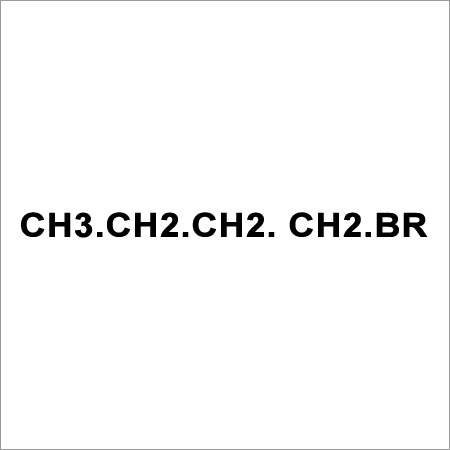
Tell us about your requirement

Price:
Quantity
Select Unit
- 50
- 100
- 200
- 250
- 500
- 1000+
Additional detail
Mobile number
Email

More Products in Aliphatic Bromide Category
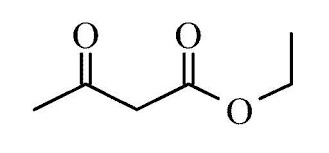
Ethyl Aceto Acetate
Minimum Order Quantity : 1 Kilograms
Appearance : Clear, colourless liquid
Usage : Intermediate in organic synthesis
Other Names : EAA, Ethyl 3Oxobutanoate
Grade : Other, Industrial / Laboratory
Molecular Weight : 130.14 g/mol
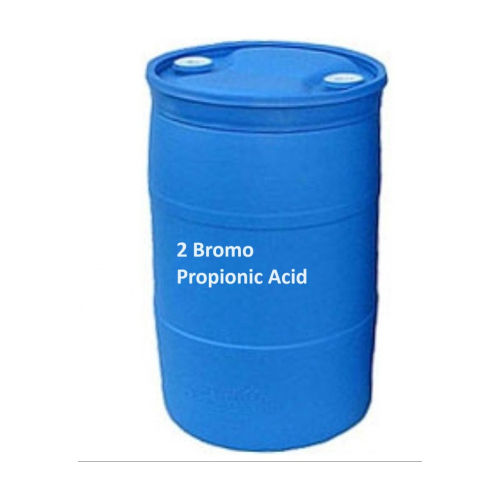
Bromo Propionic Acid
Minimum Order Quantity : 1 Kilograms
Appearance : Clear to pale yellow liquid
Usage : Research, fine chemical synthesis
Other Names : 2 Bromo Propionic Acid
Grade : Other, Industrial, Laboratory
Molecular Weight : 152.98 g/mol

3 - Chloropropionyl Chloride
Minimum Order Quantity : 1 Kilograms
Appearance : Colorless liquid
Usage : Chemical intermediate in pesticide pharmaceuticals and dye industries.
Other Names : 3Chloropropanoyl chloride
Grade : Other, Industrial
Molecular Weight : 92.52 g/mol

N Butyl Bromide
Minimum Order Quantity : 1 Kilograms
Appearance : Colorless to light yellow liquid
Usage : Used as alkylating agent, in synthesis of pharmaceuticals and agrochemicals
Other Names : 1Bromobutane, nButyl bromide, Butane, 1bromo
Grade : Other, Industrial, Laboratory
Molecular Weight : 137.02 g/mol

Contact us

- Unit 1 :W-6, M.I.D.C., Chemical Zone, Ambernath (W), Ambernath - 421501, Maharashtra, India
- Phone : 08045479213
SONTARA ORGANO INDUSTRIES
GST : 27AAKFS5792F1ZP

- Mr. Mukesh B. Parekh (Partner)
- Mobile : 08045479213
- Send Inquiry
 Send Inquiry
 Send Inquiry
 Send SMS
 Call Me Free
SONTARA ORGANO INDUSTRIES
All Rights Reserved.(Terms of Use)
Developed and Managed by Infocom Network Private Limited.
Developed and Managed by Infocom Network Private Limited.


 English
 Spanish
 French
 German
 Italian
 Chinese (Simplified)
 Japanese
 Korean
 Arabic
 Portuguese