

 Send Inquiry
Lithium Acetate Dihydrate
MOQ : 1 Kilograms
Lithium Acetate Dihydrate Specification
- Smell
- Odorless
- Structural Formula
- LiC2H3O22H2O
- Refractive Rate
- null
- Molecular Weight
- 102.02 g/mol
- Molecular Formula
- C2H3LiO22H2O
- Boiling point
- null
- HS Code
- 2915.32.00
- Classification
- Inorganic compound
- Organic Acid Types
- null
- Inorganic Acid Types
- null
- Grade
- Laboratory grade
- Purity
- 99%
- Application
- Used in biochemical research and as a lithium source
- Appearance
- White crystalline powder
- CAS No
- 6108-17-4
- EINECS No
- 612-101-4
- Other Names
- Lithium acetate hydrate
- Usage
- Preparation of lithium-based compounds; biochemical applications
- Melting Point
- 57 C
- Density
- 1.52 Gram per cubic centimeter(g/cm3)
- Solubility
- Soluble in water ethanol
- Raw Material
- Acetic acid and lithium compounds
Lithium Acetate Dihydrate Trade Information
- Minimum Order Quantity
- 1 Kilograms
- Supply Ability
- 100 Kilograms Per Month
- Delivery Time
- 7 Days
- Main Export Market(s)
- Asia, Australia, Central America, North America, South America, Eastern Europe, Western Europe, Middle East, Africa
Lithium Acetate Dihydrate About
| Name of Product | Lithium Acetate dihydrate | IUPAC Name | lithium;acetate;dihydrate |
| CAS No | 6108-17-4 | InChI | InChI=1S/C2H4O2.Li.2H2O/c1-2(3)4;;;/h1H3,(H,3,4);;2*1H2/q;+1;;/p-1 |
| Formula | CH3COOLi 2H2O | InChI Key | IAQLJCYTGRMXMA-UHFFFAOYSA-M |
| Other name / synonyms | LITHIUM ACETATE HYDRATE | Canonical SMILES | [Li+].CC(=O)[O-].O.O |
| LITHIUM ACETATE DIHYDRATE | EC Number | 612-081-5 | |
| ACETIC ACID LITHIUM SALT DIHYDRATE | UNII | T460029GB5 | |
| Quilonum | |||
| Lithium Acetate Anhydrous | |||
| MONOCLONAL ANTI-LEF-1/TCF*(TRANSACTIVATI | |||
| LITHIUM ACETATE DIHYDRATE, CRYSTALLIZED | |||
| LITHIUM ACETATE DIHYDRATE SIGMAULTRA |
Key Properties
Lithium Acetate Dihydrate is recognized for its high purity, solubility in water and ethanol, and convenient white crystalline appearance. With a melting point of 57C and a density of 1.52 g/cm3, it serves as a dependable reagent in various laboratory applications, particularly in biochemical research and lithium compound synthesis.
Applications in Research and Industry
This compound is extensively used for DNA and RNA precipitation in molecular biology, buffer preparation, and as a precursor for other lithium-based chemicals. Its reliability and consistency make it an essential choice for laboratory-grade requirements, supporting both academic and industrial research sectors.
FAQ's of Lithium Acetate Dihydrate:
Q: How is Lithium Acetate Dihydrate commonly used in the laboratory?
A: Lithium Acetate Dihydrate is used in biochemical research, notably in DNA and RNA precipitation protocols, buffer preparation, and as a starting material for synthesizing other lithium compounds. Its excellent solubility in water and ethanol enhances its effectiveness in these applications.Q: What are the benefits of choosing a laboratory grade Lithium Acetate Dihydrate?
A: Opting for laboratory grade Lithium Acetate Dihydrate assures high purity (99%), which is critical for reproducible and accurate results in research experiments. Its reliable performance minimizes contaminants and improves the quality of scientific procedures.Q: Where is Lithium Acetate Dihydrate sourced or exported from?
A: Lithium Acetate Dihydrate is manufactured, supplied, and exported widely from India, where reputable suppliers ensure stringent quality control and consistent laboratory grade standards to meet international research and industrial demands.Q: What is the process of manufacturing Lithium Acetate Dihydrate?
A: Lithium Acetate Dihydrate is typically synthesized by reacting high-purity acetic acid with lithium compounds. The resulting product is purified and crystallized, ensuring it reaches the 99% purity required for laboratory-grade reagents.Q: When should Lithium Acetate Dihydrate be used instead of other lithium salts?
A: Lithium Acetate Dihydrate is particularly recommended when solubility in water or ethanol is crucial, or when a non-chloride lithium source is desired. Its use is common in molecular biology workflows and chemical preparations where purity and minimal interference are priorities.Q: How should Lithium Acetate Dihydrate be stored and handled?
A: Store Lithium Acetate Dihydrate in a well-sealed container in a cool, dry place away from direct sunlight and moisture. Standard laboratory safety protocols, such as wearing gloves, goggles, and appropriate lab attire, should be followed during handling.Q: What advantages does Lithium Acetate Dihydrate offer researchers?
A: Researchers benefit from its high solubility, purity, and neutral odor, as well as its proven effectiveness in complex biochemical procedures. Its consistent quality helps ensure reliable data and streamlined laboratory processes.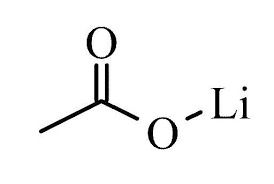
Tell us about your requirement

Price:
Quantity
Select Unit
- 50
- 100
- 200
- 250
- 500
- 1000+
Additional detail
Mobile number
Email

More Products in Aliphatic Bromide Category
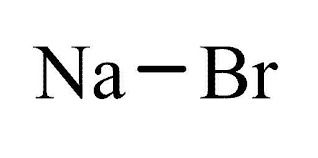
Sodium Bromide
Minimum Order Quantity : 1 Kilograms
Grade : Other, Industrial, Analytical
Molecular Formula : NaBr
Usage : Used as a source of bromide ion, for preparing other bromides, as a sedative, photography, and in water treatment
Other Names : Bromide salt of sodium
Structural Formula : Na+ Br
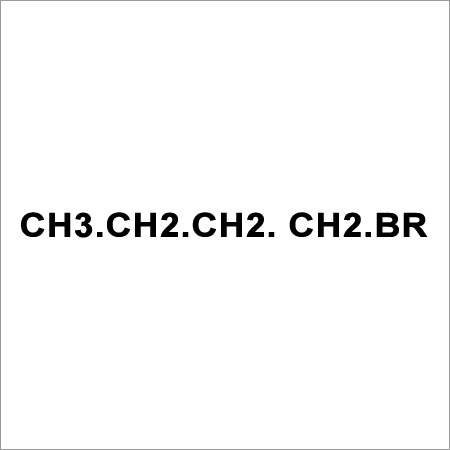
N-Butyl Bromide
Minimum Order Quantity : 1 Kilograms
Grade : Other, Industrial, Laboratory
Molecular Formula : C4H9Br
Usage : Used as an alkylating agent in organic synthesis, production of pharmaceuticals and fine chemicals
Other Names : 1Bromobutane, nButyl bromide, Bromobutane
Structural Formula : CH3(CH2)3Br
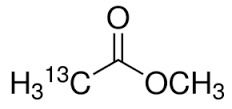
Methyl Acetate 99%
Minimum Order Quantity : 1 Kilograms
Grade : Industrial Grade
Molecular Formula : C3H6O2
Usage : Used as a fastevaporating solvent
Other Names : Acetic Acid Methyl Ester; Methyl Ethanoate
Structural Formula : CH3COOCH3

Methyl - 3 - Oxopentanoate
Minimum Order Quantity : 1 Kilograms
Grade : Other, Industrial / Pharmaceutical Grade
Molecular Formula : C6H10O3
Usage : Used in the preparation of pharmaceuticals, agrochemicals, and dyes
Other Names : Methyl acetoacetate; Acetoacetic acid methyl ester
Structural Formula : CH3COCH2COOCH3

Contact us

- Unit 1 :W-6, M.I.D.C., Chemical Zone, Ambernath (W), Ambernath - 421501, Maharashtra, India
- Phone : 08045479213
SONTARA ORGANO INDUSTRIES
GST : 27AAKFS5792F1ZP

- Mr. Mukesh B. Parekh (Partner)
- Mobile : 08045479213
- Send Inquiry
 Send Inquiry
 Send Inquiry
 Send SMS
SONTARA ORGANO INDUSTRIES
All Rights Reserved.(Terms of Use)
Developed and Managed by Infocom Network Private Limited.
Developed and Managed by Infocom Network Private Limited.


 English
 Spanish
 French
 German
 Italian
 Chinese (Simplified)
 Japanese
 Korean
 Arabic
 Portuguese