

 Send Inquiry
N- Octyl Bromide
MOQ : 1 Kilograms
N- Octyl Bromide Specification
- Molecular Formula
- C8H17Br
- Taste
- Not Determined
- Molecular Weight
- 193.13 g/mol
- HS Code
- 29036910
- Refractive Rate
- n20/D 1.444
- Structural Formula
- CH3(CH2)7Br
- Boiling point
- 201-203 C
- Smell
- Characteristic, Mild
- Classification
- Alkyl Halide / Organic Intermediate
- Grade
- Analytical, Industrial
- Purity
- 98%
- Application
- Pharmaceutical Intermediates, Organic Synthesis, Laboratory Reagent
- Appearance
- Clear Colorless to Pale Yellow Liquid
- CAS No
- 111-83-1
- EINECS No
- 203-911-8
- Other Names
- 1-Bromo-octane, Octyl Bromide
- Usage
- Chemical Synthesis, Research, Fine Chemicals, Specialty Chemicals
- Melting Point
- -8 C
- Density
- 1.077 Gram per cubic centimeter(g/cm3)
- Solubility
- Insoluble in Water, Soluble in Organic Solvents
- Raw Material
- n-Octanol, Bromine
- Packing
- 500 ml / 1 L / 25 L Bottles or Custom Packaging
- Stability
- Stable under Recommended Storage Conditions
- Hazard Class
- Irritant (Xi), Environmental Hazard
- Storage Conditions
- Store in Cool, Well-ventilated Place, Away from Sources of Ignition
- Shelf Life
- 24 Months (Sealed & Proper Storage Conditions)
- Flash Point
- 82 C
- Precautionary Statements
- Avoid Inhalation, Skin and Eye Contact; Use Personal Protective Equipment
- UN Number
- Not regulated for transport
- Manufacturing Method
- Bromination of n-Octanol using PBr3 or other Brominating Agent
N- Octyl Bromide Trade Information
- Minimum Order Quantity
- 1 Kilograms
- Supply Ability
- 100 Kilograms Per Month
- Delivery Time
- 7 Days
- Main Export Market(s)
- Asia, Australia, Central America, North America, South America, Eastern Europe, Western Europe, Middle East, Africa
N- Octyl Bromide About
| Name of Product | N-Octyl Bromide |
| CAS No | 111-83-1 |
| Formula | C8H17Br |
| IUPAC Name | 1-bromobutane |
| InChI | InChI=1S/C4H9Br/c1-2-3-4-5/h2-4H2,1H3 |
| InChI Key | MPPPKRYCTPRNTB-UHFFFAOYSA-N |
| Canonical SMILES | CCCCBr |
| CAS | 109-65-9 |
| EC Number | 203-691-9 |
| UN Number | 1126 |
| UNII | SAV6Y78U3D |
| Wikipedia | 1-Bromobutane |
| Description | Clear, colourless liquid |
| Water | Not more than 0.3 % |
| Acidity | Not more than 0.1 % |
| Purity by GC | Not less than 98.0% |
| Other name / synonyms | 1-Bromooctane |
| n-Octyl bromide | |
| Octyl bromide | |
| 111-83-1 | |
| 1-Octylbromide | |
| Octane, 1-bromo- | |
| bromooctane | |
| 1-Bromo octane | |
| 1-Bromo-octane | |
| 1-BROMO-N-OCTANE | |
| VMKOFRJSULQZRM-UHFFFAOYSA-N | |
| NSC 9821 | |
| EINECS 203-912-9 | |
| SBB059937 | |
| AI3-15807 | |
| octylbromide | |
| n-octylbromide | |
| octanyl bromide | |
| a-bromo octane | |
| n-bromooctane; | |
| 8-bromooctane | |
| 1-octyl bromide | |
| 1 -octyl bromide | |
| CAPRYL BROMIDE | |
| AC1L1QCT | |
| AC1Q2VWM | |
| ACMC-1C6SS | |
| DSSTox_CID_1938 | |
| UNII-Q382HPC6LC | |
| DSSTox_RID_76414 | |
| Q382HPC6LC | |
| DSSTox_GSID_21938 | |
| SCHEMBL33503 | |
| WLN: E8 | |
| KSC174K7P | |
| 152951_ALDRICH | |
| AC1Q27V1 | |
| CCRIS 8914 | |
| CHEMBL156047 | |
| Jsp000886 | |
| Jsp000888 | |
| 01084_FLUKA | |
| CTK0H4577 | |
| NSC9821 | |
| MolPort-000-157-872 | |
| LABOTEST-BB LTBB001161 | |
| NSC-9821 | |
| Tox21_302112 | |
| ANW-16327 | |
| AR-1C2044 | |
| AKOS000119808 | |
| AS03445 | |
| EBD2203385 | |
| NE10018 | |
| RP25224 | |
| RTR-002318 | |
| TRA0046199 | |
| NCGC00255306-01 | |
| AN-43092 | |
| CAS-111-83-1 | |
| I860 | |
| KB-11812 | |
| LS-97846 | |
| SC-19080 | |
| DB-050360 | |
| TR-002318 | |
| B0626 | |
| FT-0628359 | |
| FT-0657190 | |
| ST50214522 | |
| EN300-19979 | |
| A15118 | |
| 3B4-0648 | |
| I14-6068 |
Applications and Uses
N-Octyl Bromide serves as a vital building block in pharmaceutical intermediates, specialty chemicals, and laboratory reagents. Its role as an alkyl halide makes it a preferred choice for organic synthesis, particularly for introducing the octyl group in complex molecules. Research facilities and chemical manufacturers utilize it extensively for the preparation of fine chemicals and in custom synthesis projects.
Safe Handling and Storage
Due to its irritant and environmental hazard classification, N-Octyl Bromide should be handled with care. Store in tightly sealed containers in cool, well-ventilated areas and away from ignition sources. Personal protective equipment is essential to avoid skin, eye contact, and inhalation. Stability is maintained under recommended conditions, ensuring long shelf life and consistent product quality.
Packaging and Quality Assurance
Available in 500 ml, 1 L, and 25 L bottles, as well as custom packaging, N-Octyl Bromide caters to diverse industrial and research needs. Each batch is rigorously tested for purity (98%) and physical attributes, ensuring compliance with analytical and industrial standards. Customers benefit from flexible packaging and reliable delivery methods, with product traceability for safety and regulatory transparency.
FAQs of N- Octyl Bromide:
Q: How is N-Octyl Bromide produced?
A: N-Octyl Bromide is synthesized by brominating n-Octanol using phosphorus tribromide (PBr3) or other brominating agents, resulting in a high-purity alkyl halide suited for organic synthesis and intermediary roles in fine chemical production.Q: What are the recommended storage conditions for N-Octyl Bromide?
A: The product should be kept in a cool, well-ventilated place, away from sources of ignition. Containers should remain tightly sealed to preserve stability and maintain a shelf life of up to 24 months under proper storage.Q: When should personal protective equipment be used with N-Octyl Bromide?
A: Personal protective equipment must be worn during all handling operations to avoid inhalation, skin, and eye contact, as the compound is classified as an irritant and poses environmental risks.Q: Where can N-Octyl Bromide be sourced and in what packaging sizes?
A: N-Octyl Bromide is available from leading exporters, manufacturers, and suppliers in India, offered in 500 ml, 1 L, 25 L bottles, or custom packaging tailored to specific requirements.Q: What makes N-Octyl Bromide beneficial for organic synthesis and research?
A: Its high purity (98%), chemical stability, and solubility in organic solvents make it an ideal intermediate for organic synthesis, pharmaceutical research, and laboratory-scale chemical development.Q: What safety precautions are recommended during the usage of N-Octyl Bromide?
A: Users should avoid direct inhalation and contact with skin or eyes, keeping the product away from flames and heat. Employing suitable safety gear and working in controlled environments helps mitigate hazard risks.Q: How is N-Octyl Bromide typically used in laboratory and industrial applications?
A: It is employed as a reagent for chemical synthesis, the preparation of specialty chemicals, and as a pharmaceutical intermediate. Its role facilitates the incorporation of octyl groups into molecular structures for various targeted reactions.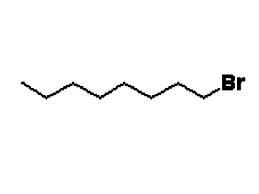
Tell us about your requirement

Price:
Quantity
Select Unit
- 50
- 100
- 200
- 250
- 500
- 1000+
Additional detail
Mobile number
Email

More Products in Aliphatic Bromide Category
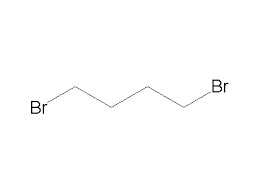
1 4- Dibromobutane
Minimum Order Quantity : 1 Kilograms
Raw Material : Butane, Bromine
Appearance : Colorless to pale yellow liquid
Application : Chemical intermediate, Pharmaceutical synthesis, Organic synthesis, Research
HS Code : 29033990
Refractive Rate : n20/D 1.502
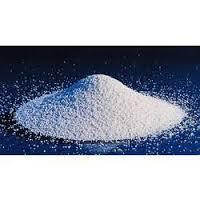
Lithium Chloride Powder
Minimum Order Quantity : 1 Kilograms
Raw Material : Lithium carbonate, Hydrochloric acid
Appearance : White crystalline powder
Application : Pharmaceuticals, Drying Agent, Electrolyte in lithiumion batteries, metallurgy, laboratory reagent
HS Code : 28273900
Refractive Rate : 1.30

3 - Chloropropionyl Chloride
Minimum Order Quantity : 1 Kilograms
Raw Material : Propionic acid derivatives
Appearance : Colorless liquid
Application : Organic synthesis intermediate in pharmaceutical manufacturing
HS Code : 29157090
Refractive Rate : 1.433
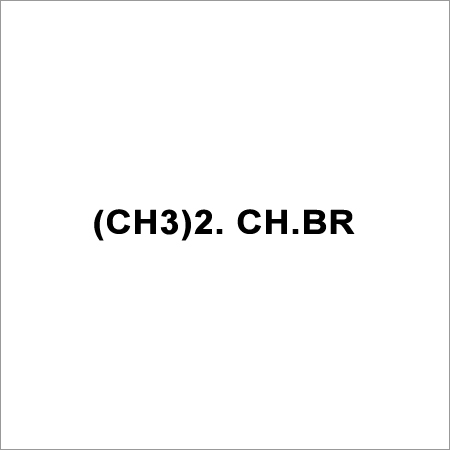
Isopropyl Bromide
Minimum Order Quantity : 1 Kilograms
Raw Material : Isopropyl alcohol
Appearance : Clear colorless to light yellow liquid
Application : Pharmaceutical intermediates, Organic synthesis, Analytical reagent
HS Code : 29033990
Refractive Rate : 1.4341.436

Contact us

- Unit 1 :W-6, M.I.D.C., Chemical Zone, Ambernath (W), Ambernath - 421501, Maharashtra, India
- Phone : 08045479213
SONTARA ORGANO INDUSTRIES
GST : 27AAKFS5792F1ZP

- Mr. Mukesh B. Parekh (Partner)
- Mobile : 08045479213
- Send Inquiry
 Send Inquiry
 Send Inquiry
 Send SMS
 Call Me Free
SONTARA ORGANO INDUSTRIES
All Rights Reserved.(Terms of Use)
Developed and Managed by Infocom Network Private Limited.
Developed and Managed by Infocom Network Private Limited.


 English
 Spanish
 French
 German
 Italian
 Chinese (Simplified)
 Japanese
 Korean
 Arabic
 Portuguese