

 Send Inquiry
N Pentyl Bromide
MOQ : 1 Kilograms
N Pentyl Bromide Specification
- Molecular Weight
- 151.05 g/mol
- Smell
- Characteristic, pungent
- Boiling point
- 130131 C
- Refractive Rate
- n20/D 1.437
- HS Code
- 2903 39 90
- Molecular Formula
- C5H11Br
- Structural Formula
- CH3(CH2)4Br
- Classification
- Alkyl Bromide
- Grade
- Industrial, Laboratory
- Purity
- 99% Min
- Application
- Chemical Intermediate, Pharmaceutical Synthesis
- Appearance
- Clear colorless liquid
- CAS No
- 111-25-1
- EINECS No
- 203-857-4
- Other Names
- 1-Bromopentane
- Usage
- Laboratory reagent, Organic synthesis
- Melting Point
- -116 C
- Density
- 1.218 Gram per cubic centimeter(g/cm3)
- Solubility
- Insoluble in water; soluble in organic solvents
- Raw Material
- Pentanol
- Packaging Type
- Glass bottles, HDPE containers
- Hazard Statement
- Harmful if inhaled, causes skin irritation
- Vapor Pressure
- 10 mm Hg (at 20 C)
- Synonyms
- Pentyl bromide; n-amyl bromide
- Storage Condition
- Keep away from heat, sparks, and open flame; Store in a cool and dry place
- Flash Point
- 27 C
N Pentyl Bromide Trade Information
- Minimum Order Quantity
- 1 Kilograms
- Supply Ability
- 100 Kilograms Per Month
- Delivery Time
- 7 Days
About N Pentyl Bromide
| Name of Product | N-Pentyl Bromide |
| CAS No | 110-53-2 |
| Formula | C5H11Br |
| IUPAC Name | 1-bromopentane |
| InChI | InChI=1S/C5H11Br/c1-2-3-4-5-6/h2-5H2,1H3 |
| InChI Key | YZWKKMVJZFACSU-UHFFFAOYSA-N |
| Canonical SMILES | CCCCCBr |
| EC Number | 203-776-0 |
| UN Number | 1993 |
| UNII | Z2S4R599P0 |
| Other name / synonyms | 1-BROMOPENTANE |
| n-Amyl bromide | |
| Pentyl bromide | |
| Amyl bromide | |
| Pentane, 1-bromo- | |
| 110-53-2 | |
| n-Pentyl bromide | |
| 1-Pentyl bromide | |
| Bromopentane | |
| 1-Bromo-pentane | |
| YZWKKMVJZFACSU-UHFFFAOYSA-N | |
| NSC 7895 | |
| EINECS 203-776-0 | |
| SBB059933 | |
| AI3-17813 | |
| 5BR | |
| amylbromide | |
| pentylbromide | |
| Bromoethylpropan | |
| n-Pentylbromide | |
| bromomethylbutane | |
| 1-Pentylbromide | |
| 1-bromo pentane | |
| Pentane, bromo- | |
| 1-bromanylpentane | |
| 1-bromo-n-pentane | |
| 1-Bromo-4 -methylbutane | |
| n-C5H11Br | |
| AC1Q27UC | |
| AC1Q2VM9 | |
| DSSTox_CID_28474 | |
| DSSTox_RID_83278 | |
| DSSTox_GSID_49203 | |
| SCHEMBL11305 | |
| KSC191C1L | |
| UNII-Z2S4R599P0 | |
| ACMC-20996b | |
| 117811_ALDRICH | |
| AC1L1Q60 | |
| CHEMBL155850 | |
| 17920_FLUKA | |
| CTK0J1115 | |
| NSC7895 | |
| MolPort-001-768-933 | |
| Z2S4R599P0 | |
| NSC-7895 | |
| Tox21_202717 | |
| ANW-16161 | |
| AR-1C2047 | |
| STL280346 | |
| ZINC01586300 | |
| AKOS000118764 | |
| MCULE-8513521912 | |
| RP21432 | |
| RTR-002164 | |
| TRA0060989 | |
| NCGC00260265-01 | |
| AN-22610 | |
| CAS-110-53-2 | |
| CJ-25221 | |
| KB-11813 | |
| SC-16107 | |
| LS-101546 | |
| TR-002164 | |
| B0628 | |
| FT-0607542 | |
| ST51046200 | |
| 61484-EP2289965A1 | |
| 61484-EP2298828A1 | |
| 61484-EP2308848A1 | |
| A802210 | |
| 3B4-0637 | |
| I14-0244 | |
| InChI=1/C5H11Br/c1-2-3-4-5-6/h2-5H2,1H | |
| 29756-38-5 | |
FAQs of N Pentyl Bromide:
High Purity for Reliable Applications
With a minimum purity of 99%, N Pentyl Bromide ensures reliable performance in both laboratory and industrial settings. Its stable chemical structure and well-defined molecular properties make it ideal for use as a reagent in organic synthesis and as a chemical intermediate in pharmaceutical development.
Safe Handling and Storage Guidelines
N Pentyl Bromide should be stored in cool, dry conditions, away from heat, sparks, or open flames, in tightly sealed glass or HDPE containers. Due to its flammability and potential for causing irritation upon inhalation or skin contact, appropriate safety precautions, including personal protective equipment, must be observed during handling.
Diverse Applications in Chemical Synthesis
This alkyl bromide is primarily used as a laboratory reagent or in pharmaceutical and chemical intermediary synthesis. Its solubility in organic solvents and characteristic reactivity facilitates a wide range of reactions, making it a vital component in experimental and industrial organic chemistry.
FAQ's of N Pentyl Bromide:
Q: How should N Pentyl Bromide be properly stored to ensure safety and stability?
A: N Pentyl Bromide should be stored in tightly closed glass bottles or HDPE containers, positioned in a cool, dry area away from sources of heat, sparks, or open flames. This helps prevent fire hazards and degradation of the chemical.Q: What is the main usage of N Pentyl Bromide in a laboratory setting?
A: N Pentyl Bromide is primarily used as a reagent in organic synthesis, serving as a valuable intermediate for chemical and pharmaceutical manufacturing.Q: When handling N Pentyl Bromide, what safety precautions should be followed?
A: It is important to use appropriate protective equipment, such as gloves and masks, since N Pentyl Bromide is harmful if inhaled and can cause skin irritation. Work in well-ventilated areas and avoid any contact with open flames or sparks due to its low flash point.Q: Where does N Pentyl Bromide typically exhibit the greatest solubility?
A: N Pentyl Bromide is insoluble in water but dissolves readily in most organic solvents, making it suitable for reactions and processes in organic chemistry laboratories.Q: What processes benefit from the use of N Pentyl Bromide as an intermediate?
A: It is utilized in the synthesis of pharmaceuticals and various organic compounds, where its alkylating properties help form essential structures for further chemical development.Q: What are the benefits of using high-purity N Pentyl Bromide?
A: High-purity N Pentyl Bromide ensures consistent reaction outcomes, minimizes contaminants, and increases efficiency in laboratory and industrial syntheses, especially where precision is paramount.
Tell us about your requirement

Price:
Quantity
Select Unit
- 50
- 100
- 200
- 250
- 500
- 1000+
Additional detail
Mobile number
Email

More Products in Aliphatic Bromide Category
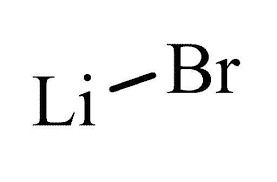
Lithium Bromide 50-55% Sol
Minimum Order Quantity : 1 Kilograms
Raw Material : Lithium Carbonate, Hydrobromic Acid
CAS No : 7550358
Purity : 5055%
Usage : Refrigerant Absorbent, Desiccant, Heat Transfer Medium
HS Code : 28275990

Methyl - 3 - Oxopentanoate
Minimum Order Quantity : 1 Kilograms
Raw Material : Derived from acetoacetic acid
CAS No : 600226
Purity : 98% Min
Usage : Used in the preparation of pharmaceuticals, agrochemicals, and dyes
HS Code : 29183000
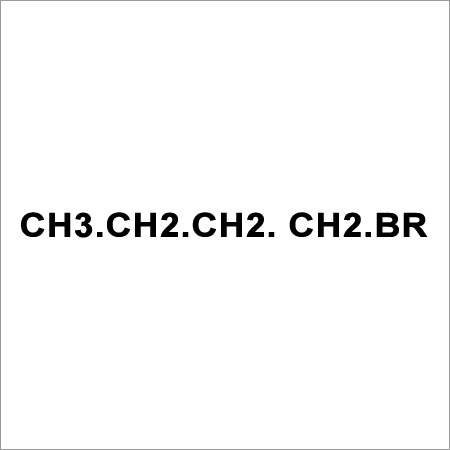
N-Butyl Bromide
Minimum Order Quantity : 1 Kilograms
Raw Material : nButanol, Bromine
CAS No : 109659
Purity : 99% Min
Usage : Used as an alkylating agent in organic synthesis, production of pharmaceuticals and fine chemicals
HS Code : 29033920
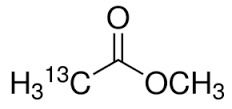
Methyl Acetate 99%
Minimum Order Quantity : 1 Kilograms
Raw Material : Methanol and Acetic Acid
CAS No : 79209
Purity : 99%
Usage : Used as a fastevaporating solvent
HS Code : 2915 31 00

Contact us

- Unit 1 :W-6, M.I.D.C., Chemical Zone, Ambernath (W), Ambernath - 421501, Maharashtra, India
- Phone : 08045479213
SONTARA ORGANO INDUSTRIES
GST : 27AAKFS5792F1ZP

- Mr. Mukesh B. Parekh (Partner)
- Mobile : 08045479213
- Send Inquiry
 Send Inquiry
 Send Inquiry
 Send SMS
 Call Me Free
SONTARA ORGANO INDUSTRIES
All Rights Reserved.(Terms of Use)
Developed and Managed by Infocom Network Private Limited.
Developed and Managed by Infocom Network Private Limited.


 English
 Spanish
 French
 German
 Italian
 Chinese (Simplified)
 Japanese
 Korean
 Arabic
 Portuguese