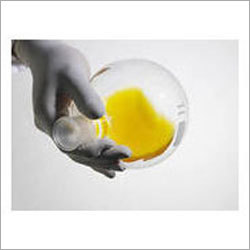


About 1-Chloropropyl-3-(4-Methyl Piperazine)Hydrochlorid
1-Chloropropyl-3-(4-Methyl Piperazine)Hydrochloride
| Name of Product | 1-Chloropropyl-3-(4-Methyl Piperazine)Hydrochloride |
| CAS No | 2031-23-4 |
| Formula | C8H19Cl3N2 |
| IUPAC Name | 1-(3-chloropropyl)-4-methylpiperazine;dihydrochloride |
| InChI | InChI=1S/C8H17ClN2.2ClH/c1-10-5-7-11(8-6-10)4-2-3-9;;/h2-8H2,1H3;2*1H |
| InChI Key | RRZYWKLLIIIINP-UHFFFAOYSA-N |
| Canonical SMILES | CN1CCN(CC1)CCCCl.Cl.Cl |
| EC Number | 217-981-8 |
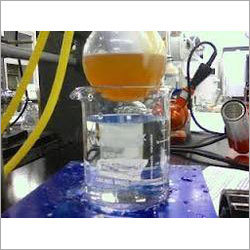
| Description | Amber to brown coloured liquid |
| Purity by GC | Not less than 95.0% |
| Free HCl | 6 11 % |
| Other name / synonyms | 1-(3-Chloropropyl)-4-methylpiperazine dihydrochloride |
| 2031-23-4 |
| SBB070874 |
| 1-(3-Chloropropyl)-4-methylpiperazine 2HCl |
| 1-(3-chloropropyl)-4-methylpiperazinedihydrochloride |
| AC1MHZ46 |
| KSC496Q7P |
| SCHEMBL409216 |
| CTK3J6877 |
| MolPort-000-140-085 |
| RRZYWKLLIIIINP-UHFFFAOYSA-N |
| EINECS 217-981-8 |
| ANW-53762 |
| 1- -4-methylpiperazinedihydrochloride |
| AKOS005255194 |
| AC-4210 |
| DS-2083 |
| MP-0035 |
| PS-7496 |
| RP06100 |
| RTC-061363 |
| AK-25568 |
| AN-12193 |
| KB-08698 |
| SC-16794 |
| 1-(3-Chloropropyl)-4-methylpiperazine HCl |
| AB0040539 |
| DB-008003 |
| TC-061363 |
| 4CH-006768 |
| A4421 |
| FT-0601054 |
| ST24026876 |
| Y8160 |
| EN300-79084 |
| I13-0281 |
| 4-(3-chloropropyl)-1-methylpiperazine dihydrochloride |
| 1-(3-chloro-propyl)-4-methyl-piperazine dihydrochloride |
| 1-(3-chloropropyl)-4-methyl-piperazine dihydrochloride |
| 3-(4-methyl-1-piperazinyl)propyl chloride dihydrochloride |
| 1-(3-CHLOROPROPYL)-4-METHYL PIPERAZINE DIHYDROCHLORIDE |
Pharmaceutical Intermediate for Advanced Synthesis1-Chloropropyl-3-(4-Methyl Piperazine) Hydrochloride is a key intermediate for pharmaceutical manufacturing. Its high purity and stability make it suitable for critical applications in the synthesis of medicinal compounds, supporting both large-scale production and research projects.
Safe Packaging and Extended Shelf LifeSupplied in robust 25 kg fiber drums or customized packaging, this compound maintains its quality for up to two years. Storing it in a cool, dry place with the container securely closed ensures optimal stability and safety during use and storage.
Versatile Application in Chemical ResearchDue to its solubility in water and methanol and stable crystalline form, this compound is widely adopted in chemical research. Its pharmaceutical-grade specifications make it reliable for innovative research and development in the pharmaceutical sector.
FAQs of 1-Chloropropyl-3-(4-Methyl Piperazine)Hydrochlorid:
Q: How should 1-Chloropropyl-3-(4-Methyl Piperazine) Hydrochloride be stored to ensure maximum stability?
A: The compound should be stored in a cool, dry place with the container tightly closed. This will maintain its stability and extend its two-year shelf life as recommended.
Q: What are the primary applications of this compound?
A: It is primarily used as a pharmaceutical intermediate in the synthesis of medicinal compounds and in chemical research.
Q: When does 1-Chloropropyl-3-(4-Methyl Piperazine) Hydrochloride reach its melting point?
A: This substance melts at a temperature range of 176179C, making it suitable for various chemical synthesis processes.
Q: Where can this product be sourced from?
A: It is manufactured, exported, and supplied by companies based in India, and can be ordered directly from verified suppliers offering pharmaceutical-grade quality.
Q: What process is involved in the synthesis of this intermediate?
A: The compound is synthesized using 4-methylpiperazine and 1-chloropropane as raw materials, following processes compliant with pharmaceutical industry standards.
Q: How is this intermediate beneficial for pharmaceutical manufacturing?
A: Its high purity, excellent stability, and reliable performance make it valuable for producing high-quality pharmaceuticals and supporting research advancements.
Q: What precautions should be taken when handling this product?
A: As the compound is classified as an irritant, it may cause irritation to skin and eyes. Appropriate protective measures such as gloves and eye protection should be used during handling.